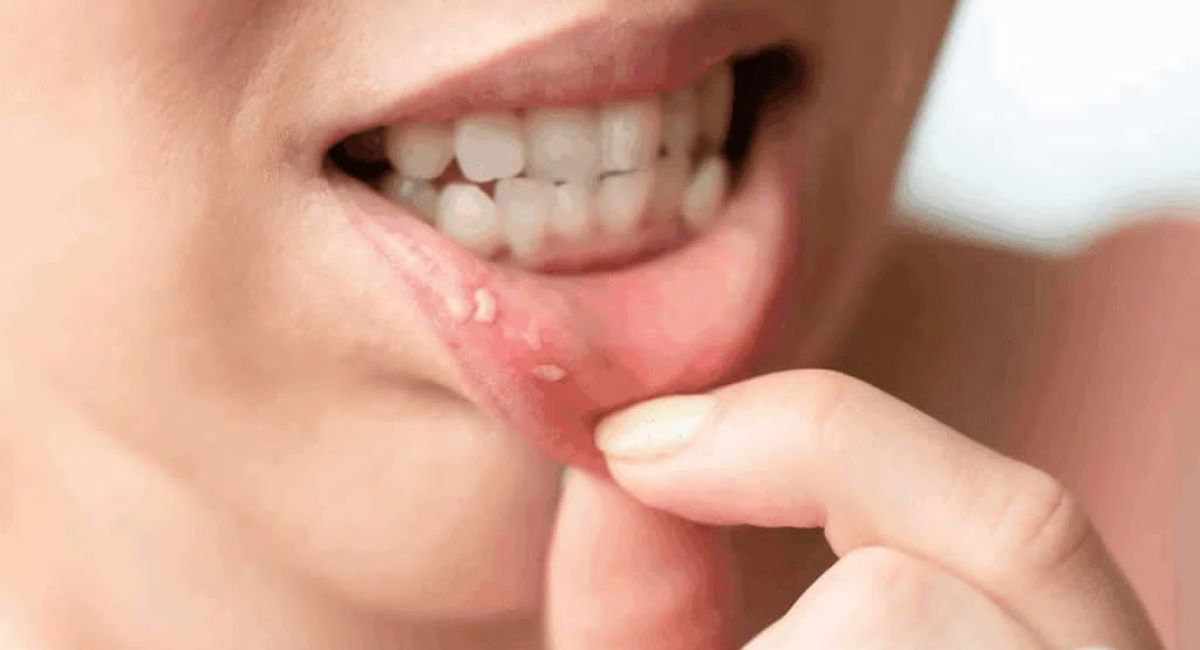
Spotting a dark bubble in your mouth feels scary. It pops up out of nowhere. And the weird part? It usually doesn’t hurt one bit. Noticed a sudden blood blister in mouth no pain? Take a breath. You’re not alone here. Most times, it’s nothing to stress over.
Here’s the good news. Most painless blood blisters are harmless. They heal up on their own. Give it a week or two. Still, it helps to know what’s happening.
So let’s break it all down. We’ll cover what these blisters are. What sparks them. The symptoms to watch. You’ll learn when to call a pro. How to treat one. Plus simple ways to dodge them later.
What Is a Blood Blister in the Mouth?
Let’s start simple. A blood blister is a tiny bubble. It’s filled with blood. It forms right under the soft skin inside your mouth. Picture a little pocket of trapped blood.
These things show up almost anywhere. Maybe your cheeks. Maybe your lips or gums. The tongue is a common spot too. So is the roof of your mouth.
They tend to look dark. Red, purple, or even black is normal. The shade depends on the blood inside. More blood means a deeper color.
Most aren’t worth panicking over. Many feel painless and clear up fast. So a quiet, dark bump? Usually no big deal at all.
Common Causes of Sudden Painless Blood Blisters
So why do they show up? There are a bunch of everyday reasons. Knowing the cause can ease your mind quickly.
Minor Injury or Trauma
This one tops the list. You might bite your cheek by accident. Crunchy or sharp foods can do it too. Even brushing too hard leaves one behind. Small stuff, big surprise.
Hot Foods and Drinks
We’ve all burned our mouths. Hot coffee does it. So does fresh, steaming pizza. The heat scalds that soft tissue. A blister can pop up soon after.
Other Common Triggers
A few more things spark blisters in the mouth:
- Allergic reactions to foods, toothpaste, or mouthwash
- Nutritional gaps, like low vitamin C or B12
- Angina bullosa hemorrhagica, a harmless cause of sudden painless oral blisters
- Stress and hormonal shifts that sometimes play a role
Most of these causes stay minor. Still, a doctor can pin down the source. Ask if you’re unsure.
Symptoms to Watch For
Knowing the signs keeps you calm. So here’s what a typical blister feels like.
- A soft, raised bump full of dark fluid
- A blister that appears with no clear reason
- Mild swelling or a tight feeling nearby
- A small sore if it bursts open
Sometimes a thin vessel near the surface breaks. A burst blood vessel on tongue might leave a red mark. Maybe a tender spot too. This kind usually heals fast on its own.
But watch for trouble. Blisters that grow or multiply need a look. Same goes for ones that keep returning. Painless isn’t always harmless if it lingers.
When to See a Doctor or Dentist
Most blisters clear up alone. But some cases need a pro. Reach out if you spot any of these:
- The blister sticks around past two weeks
- It keeps coming back in one spot
- It grows big or makes swallowing tough
- You see several blisters at once
- Heavy bleeding or infection signs show up
When in doubt, just ask. A good dentist in Houston can check it out. They’ll put your mind at ease fast. Regular checkups also catch tiny issues early. That’s before they turn into bigger ones.
Treatment Options for Blood Blisters
Here’s the calming part. Most blood blisters heal themselves. You often don’t lift a finger.
Still, a few things can help. Over-the-counter gels soothe the spot. They protect it too. Think of it as a gentle shield. Your mouth heals underneath.
Got a stubborn one? See a professional. A blister that won’t heal needs attention. Same with one that keeps returning. A doctor might run quick tests. That rules out any hidden cause.
One rule beats them all. Never pop or pick at it. The urge is real, sure. But popping invites infection. It slows healing down too. Let your body handle it instead.
Home Remedies for Quick Relief
You can ease things at home. These steps are safe and simple. Anyone can follow them.
- Rinse with warm salt water to stay clean
- Press a cold compress or ice to calm swelling
- Stick to soft, cool foods while it heals
- Skip spicy, salty, or acidic foods that sting
- Drop the alcohol-based mouthwash for now
Gentle care really pays off. These little habits speed up natural healing. Plenty of folks in Houston swear by a salt water rinse. It brings quick, easy comfort.
Prevention Tips to Avoid Future Blisters
A few good habits lower your odds. None of them are tough. Try working them in slowly.
- Eat slowly and chew with care to dodge bites
- Let hot food and drinks cool before digging in
- Use a soft-bristled brush and go gentle
- Drink plenty of water and eat balanced meals
- Manage your stress where you can
Small daily choices guard your mouth long-term. Pair them with regular trips to a dentist in Houston. That combo gives you the best shot.
Final Thoughts
A sudden, painless blood blister is usually harmless. Most heal on their own. Give it a week or two. Knowing the causes helps a lot. So do a few simple care steps. They keep you calm and smart.
So keep the spot clean. Never pop the blister. Try some gentle home remedies for relief. Watch for warning signs along the way. Don’t brush off one that lingers or returns.
Something feel off? Get it checked. Booking a visit with a trusted pro in Houston brings real peace of mind. Your smile is worth that tiny step.
Frequently Asked Questions
Are painless blood blisters in the mouth dangerous?
Usually not at all. Most painless blood blisters stay harmless and heal alone in a week or two. But if one lingers, grows, or keeps returning, go see a doctor or dentist soon.
How long does a mouth blood blister last?
Most heal within one to two weeks. The exact timing depends on the size and cause. Gentle care and clean habits help things along. They can speed up natural healing right at home.
Should I pop a blood blister in my mouth?
No, please leave it alone. Popping a blister can spark an infection and slow healing way down. Just keep the area clean instead. Let your body heal it naturally over the next several days.