
Last May in Omaha, Nebraska, I spent a Saturday afternoon in Walt Henderson’s garage with a pack of 12 index cards and a red marker, writing the names of dental procedures from a printed brochure his dentist’s office had given him so he could stop nodding at words he didn’t know. I misspelled extraction on the first card, then again on the second. That was dumb.
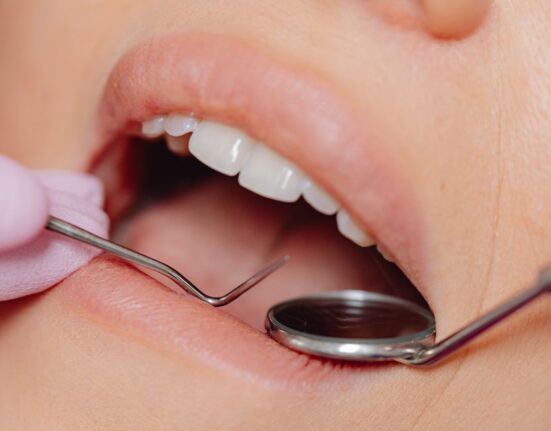
Dental procedures come with names that make a brochure feel like homework. I’m not a dentist and I won’t tell you what you need. Here are five common ones in plain words, plus what I’d ask before saying yes to any of them.
Dental procedures in plain words, five common ones from an Omaha garage and the questions I’d ask first.
Dental procedures that fix one tooth

Card one was filling. Walt’s brochure said it, so I wrote it, and then we argued about what it was for. A filling closes up a cavity once the dentist cleans out the decayed part. He still hates the sound of the drill, which I can’t argue with.
A crown is a cap that covers a tooth that’s cracked, weak or heavily filled, and some offices need two visits for it. Walt thought crowns were for movie stars. Card two got a drawing of a tooth wearing a tiny hat.
Root canals
Root canal got its own card, in capitals. The dentist removes the inflamed or infected tissue inside the tooth, and the area gets numbed first. Walt’s face did something complicated when he read it. I’d ask what to expect afterward and skip the movie jokes.
The ones that remove or go deeper
Extraction is the word I misspelled. Twice. It means the dentist takes a tooth out, often because it’s too damaged to save, and Walt asked whether a pulled tooth gets replaced, the way he’d ask about a car part. I wrote implant and bridge on the next card, since both are ways to fill the gap.
Deep cleaning is the last one. Dentists call it scaling and root planing, and it goes below the gumline to clean around the roots when there’s gum disease. The brochure didn’t list it, so card twelve stayed blank until I found the name and wrote it in blue ballpoint.
Questions I’d ask before any of these dental procedures

Before saying yes, I’d ask what the treatment is called, why it’s needed, what else could work and what recovery looks like. Walt added his own: today or later? I’d also ask the front desk for a written plan and an estimate, then check coverage with the insurer. Prices vary by town and by office, so I won’t guess a number.
After any of these dental procedures I’d follow the dentist’s written instructions. Bleeding that won’t ease, swelling that keeps spreading, a fever, or trouble breathing or swallowing is a reason to call the office or get urgent help, and I’d rather say so than leave it out.
Costs, coverage and rules change, so I’d confirm them with the office and my insurer. This is general information, not medical, legal or financial advice. Check with a professional.
FAQ’s
1. What are the most common dental treatments?
Exams, cleanings and X-rays are the routine ones. Fillings, crowns, root canals and extractions are repairs, and implants or whitening are things people choose. Walt’s brochure mixed all three groups on one page, which is why his index cards got confusing.
2. Are dental procedures painful?
Dentists usually numb the area first, and some offices offer sedation, so ask what’s available for the work you need. Soreness afterward varies, and I can’t predict yours. Walt asked about this before anything else, which is a fair order.
3. How do I get a written estimate before treatment?
Ask the front desk for a treatment plan in writing, with each procedure named, then ask what insurance may pay and what’s left for you. I taped Walt’s practice estimate to card twelve, which was a mistake, because it fell off.
4. Does insurance cover this work?
Plans differ a lot, so I can’t say. Call the number on the back of your card and ask about the exact procedure name, since coverage for dental procedures often depends on the plan and on the reason for the work.
5. Can I get a second opinion?
Bigger treatment plans are worth a second look, and an office can send your records and X-rays to another dentist.
Conclusion
Dental procedures turned out to be a handful of words and a lot of nodding. Walt’s cards sit on his workbench now, one in blue ballpoint, and he reads them aloud on slow afternoons. I still can’t spell extraction on the first try.