Those two words scare people. “Root canal.” Most folks picture pain. They picture dread. But honestly? The truth is way gentler. A root canal actually stops pain. It doesn’t cause it. It’s a simple, comfy way to save a tooth. A tooth you’d otherwise lose for good.
So relax. Take a breath. This guide covers it all. We’ll explain what the treatment really is. Why a tooth might need one. The warning signs to catch. The steps involved too. Plus what recovery actually feels like. We’ll share easy aftercare tips. And when to call your dentist. Got tooth pain? A recent diagnosis? Just curious? You’re in the right spot.
What Is Root Canal Treatment?
Let’s keep it simple. A root canal removes infected tissue. It clears out damage from inside the tooth. Then it cleans, seals, and saves your natural tooth.
The Inside of a Tooth
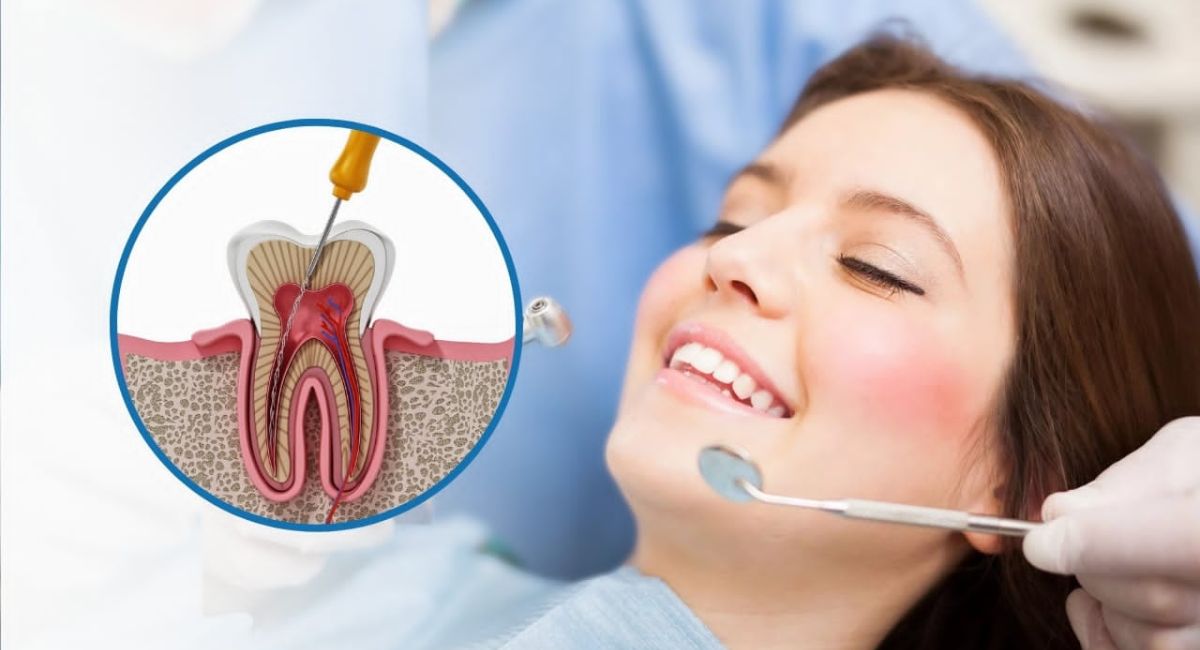
Every tooth has a soft middle. We call it the pulp. It holds nerves. It holds blood vessels and tissue too. Decay can reach this inner chamber. So can damage. Then the pulp gets infected. That infection hurts. Ignore it, and it spreads.
How It Saves Your Natural Tooth
The treatment clears the infection out. Then it seals the tooth up. So you keep your real tooth. No pulling needed. Saving a natural tooth wins every time. It feels better. It works better too. Your bite stays strong for years. For many people, root canal therapy in Cypress keeps their smile whole.
Reasons a Tooth May Need a Root Canal
Several problems lead here. Here are the usual suspects:
- Deep decay that reaches the pulp and sparks infection
- A cracked or chipped tooth that exposes the inner tissue
- Repeated dental work on the same tooth over time
- Injury or trauma, even with no crack showing
- A lingering abscess or infection down at the root
Only a dentist confirms it, though. A quick exam tells the whole story.
Warning Signs and Symptoms to Watch For
Catching trouble early helps a lot. Watch for these clues:
- Lasting tooth pain that won’t fade
- Hot or cold sensitivity that hangs around afterward
- Swelling or tenderness in the nearby gums
- A tooth turning dark or discolored
- A small pimple-like bump on the gums
- Pain when you chew or press down
Early visits often save the tooth. They stop bigger problems too. Notice any of these? Don’t wait around. A timely root canal in Cypress TX can stop things fast.
What Happens During the Procedure
Knowing the steps kills the surprise. So here’s how it usually goes.
The Exam and X-Rays
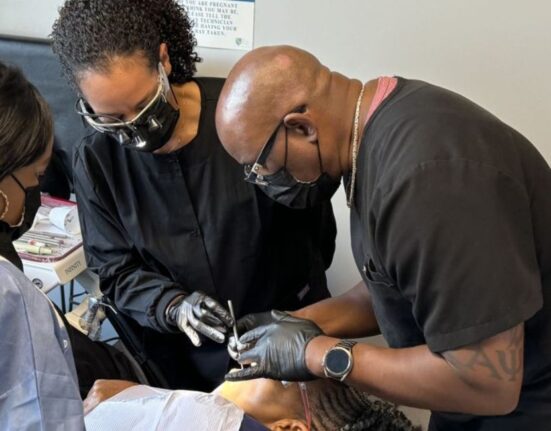
First, the dentist checks your teeth. They take X-rays too. This helps them see the infection. Then they plan it all out.
Numbing the Area
Next up? Local anesthesia. It keeps you comfy the whole time. Most folks feel just a tiny pinch.
Removing the Infected Tissue
Then the dentist cleans out the damaged pulp. They work gently inside. This step kills the source of your pain.
Cleaning and Shaping the Canals
After that, the inner space gets cleaned. They disinfect and shape it. This preps the tooth for a tight seal.
Sealing and Restoring the Tooth
Last, a filling closes the tooth up. Many teeth get a crown too. It adds real strength. Honestly? It’s often no harder than a regular filling.
Pain and Recovery Expectations
Let’s be straight with you. Mild soreness is normal for a few days. Some tenderness too. That’s just healing. It’s not a warning sign.
Remember, the treatment eases pain. It doesn’t create it. Most people get back to normal the very next day. Some pain after a root canal is expected. But it usually fades quick. A few comfort steps help early on. Rest works wonders. So do soft foods. And any prescribed medicine settles things down.
Aftercare Tips for a Smooth Recovery
Good aftercare protects your tooth for years. These steps are easy:
- Skip chewing on the treated side until it settles
- Stick to soft foods for the first day or two
- Keep brushing and flossing gently around the area
- Take any prescribed medicine exactly as directed
- Show up for the follow-up, especially if a crown is coming
Small habits matter a lot. Just treat the area kindly while it heals.
When to See a Dentist
Most recoveries go smoothly. Still, some signs need a closer look. Call your dentist if you spot:
- Tooth pain that worsens instead of fading
- Swelling that spreads to your face or jaw
- A returning bump or infection signs on the gums
- Pain or pressure lingering well past recovery
- A crown or filling that feels loose or pops out
A Gum Abscess After a Root Canal needs quick care. When in doubt, just call and ask. A trusted dentist in Cypress can check things. They’ll put your mind at ease.
Final Thoughts
A root canal is safe and comfy. It saves your natural tooth. It stops the pain too. Knowing what to expect kills the fear. It helps you act early.
So watch for warning signs. Lasting pain. Odd sensitivity. Don’t wait on tooth pain or swelling. Follow your aftercare tips closely. That means a smooth recovery. And keep up regular checkups. They protect your smile. Notice symptoms or have questions? Book a visit with a trusted dentist in Cypress. Save that natural tooth while you still can.
Frequently Asked Questions
Does a root canal really hurt that much?
Not anymore, honestly. Modern numbing keeps you comfortable the whole visit. The treatment actually relieves pain instead of causing it. Most people compare it to a routine filling. They feel relief once that infection is gone.
How long does a root canal take to heal?
Healing is pretty quick, actually. Mild soreness fades within a few days for most folks. You can often return to normal life the next day. Gentle aftercare and soft foods help your tooth settle smoothly.
Will I need a crown after the treatment?
Often, yes. A crown protects and strengthens the restored tooth. That’s especially true for a back tooth used for chewing. It guards against future cracks. It helps your natural tooth last for many years too.