I used to feel self-conscious about my stained and uneven teeth whenever I smiled in photos. After consulting a cosmetic dentist for veneers in Canada, I finally understood my options and felt excited about achieving a brighter, more confident smile.
Veneers can transform your smile and boost self-esteem. Choosing the right cosmetic dentist in Canada ensures natural, long-lasting results.
Discover how a skilled cosmetic dentist for veneers can transform chipped, stained, or uneven teeth into a naturally stunning smile.
What Are Dental Veneers?
Veneers are thin, custom-made shells, typically crafted from porcelain or composite resin, that are bonded to the front surface of your teeth. Think of them as a permanent, tooth-colored cover that reshapes the visible part of your tooth. They’re designed to correct a wide range of cosmetic concerns, including:
- Chipped or worn teeth
- Deep stains or discoloration that doesn’t respond to whitening
- Gaps between teeth
- Slightly crooked or uneven teeth
- Teeth that are too small, too short, or oddly shaped
Because they’re custom-fabricated for each patient, veneers can be matched precisely to your desired shade, shape, and size, resulting in a smile that looks natural rather than artificial.
Porcelain vs. Composite Veneers
One of the first decisions a cosmetic dentist will walk you through is the choice between porcelain and composite veneers.
Porcelain veneers are more durable, stain-resistant, and closely mimic the light-reflecting properties of natural tooth enamel. They typically last 10 to 15 years or longer with proper care, though they usually require two visits: one to prepare the teeth and take impressions, and a second to bond the finished veneers in place.
Composite veneers are sculpted directly onto the tooth in a single visit using a tooth-colored resin material. They’re generally more affordable and require less tooth preparation, but they tend to be less durable and more prone to staining over time compared to porcelain, often lasting five to seven years before needing replacement or touch-ups. An experienced cosmetic dentist will help you weigh these trade-offs based on your budget, timeline, and long-term goals.
The Veneer Process- What to Expect
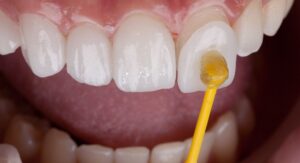
Step One: Consultation and Smile Design
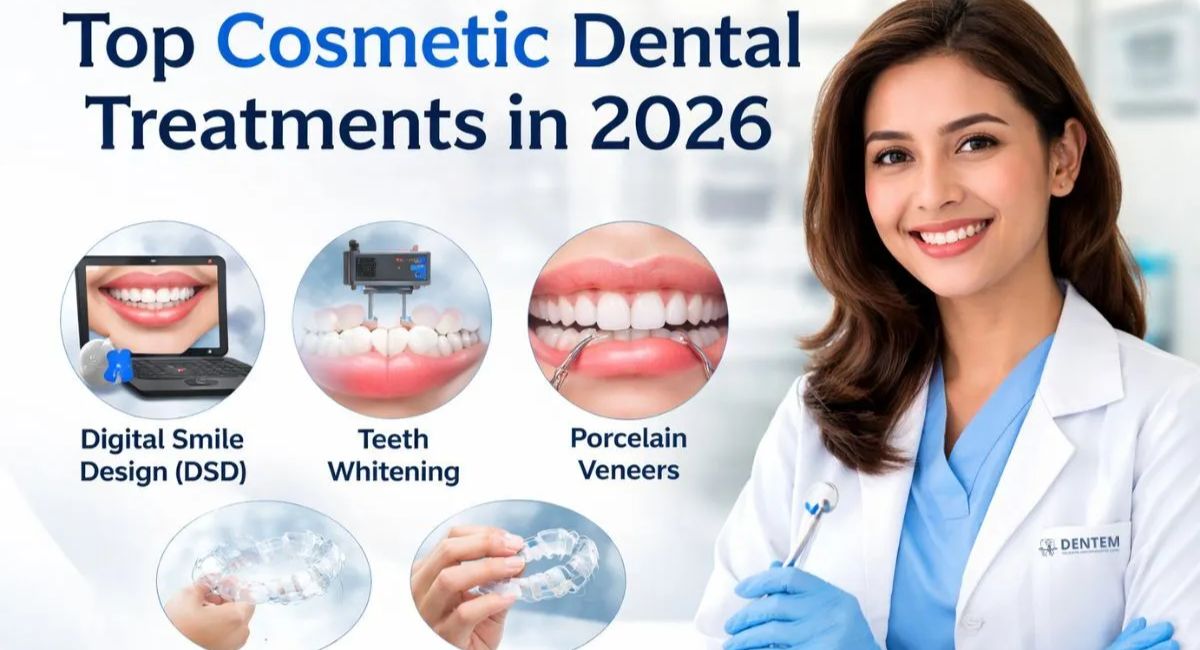
Your journey with a cosmetic dentist for veneers begins with a detailed consultation. A skilled cosmetic dentist for veneers will examine your teeth and gums, discuss your goals, and often use digital smile design software to show you a preview of your potential new smile before any irreversible steps are taken. This is your opportunity to communicate exactly what you’re hoping to achieve with your dental veneers, whether that’s a brighter, whiter look or a complete reshaping of uneven teeth.
Step Two: Tooth Preparation
For porcelain veneers, a small amount of enamel is typically removed from the front surface of the teeth to make room for the veneer and ensure a natural fit. This step in the veneer treatment process, overseen by your cosmetic dentist for veneers, is done under local anesthesia if needed, and the amount of enamel removed is usually minimal, often less than half a millimeter.
Step Three: Impressions and Temporary Veneers
After preparation, your cosmetic dentist for veneers takes a digital scan or physical impression of your teeth, which is sent to a dental lab to fabricate your custom porcelain veneers. In the meantime, you’ll typically wear temporary veneers to protect your teeth and maintain your appearance while your permanent dental veneers are being made.
Step Four: Bonding the Final Veneers
Once your veneers are ready, usually within one to two weeks, you’ll return to your cosmetic dentist for veneers for a final fitting. Your cosmetic dentist for veneers will check the fit, shape, and color before permanently bonding them to your teeth using a specialized dental adhesive, followed by curing with a special light to harden the bond.
Step Five: Final Adjustments
After bonding, your cosmetic dentist for veneers may make small adjustments to ensure your bite feels comfortable and your new veneers blend seamlessly with your natural teeth.
How Long Do Veneers Last?
With proper care, porcelain veneers typically last between 10 and 20 years, while composite veneers usually need replacement or repair every five to seven years. Longevity depends heavily on oral hygiene habits, diet, and whether you grind your teeth at night. Many cosmetic dentists recommend a nightguard for patients who clench or grind, since this habit can chip or crack veneers over time.
How Much Do Veneers Cost?
Veneer pricing varies widely depending on your location, the material used, and the number of teeth being treated. Porcelain veneers are generally more expensive than composite due to the lab work and craftsmanship involved, while composite veneers offer a more budget-friendly entry point.
Since veneers are considered a cosmetic procedure, they typically aren’t covered by dental insurance. However, many cosmetic dentistry practices offer financing plans, monthly payment options, or partnerships with third-party lenders to make treatment more accessible. When comparing quotes between practices, ask what’s included: does the price cover the consultation, digital smile design, temporaries, and any follow-up adjustments?
How to Choose the Right Cosmetic Dentist for Veneers
Not all dentists have the same level of training or artistic skill when it comes to cosmetic work, and veneers require a blend of technical precision and aesthetic judgment. Here’s what to look for.
A Strong Portfolio of Before-and-After Photos
Ask to see real before-and-after photos of patients with similar concerns to yours. This gives you a realistic sense of the dentist’s style and skill level, and helps you judge whether their aesthetic sensibility matches what you’re hoping to achieve.
Specialized Training in Cosmetic Dentistry
While any licensed dentist can technically place veneers, a true cosmetic dentist for veneers typically has additional training or continuing education specifically in cosmetic and aesthetic dentistry, which tends to produce more refined, natural-looking results.
Use of Digital Smile Design Technology
The best cosmetic dentist for veneers will use digital previews or mock-ups, allowing you to see and even help shape your future smile before committing to treatment, reducing the risk of disappointment with the final result.
Clear Communication and Realistic Expectations
A trustworthy cosmetic dentist for veneers won’t oversell results. As your cosmetic dentist for veneers, they’ll walk you through what’s realistically achievable given your natural tooth structure, facial features, and desired outcome, rather than promising a one-size-fits-all “Hollywood smile.”
Positive Patient Reviews
Look for detailed reviews that speak specifically to cosmetic work, not just general dental care. Patients who’ve had veneers done often share honest feedback about comfort, communication, and how natural their results look and feel.
Common Myths About Veneers
Myth: Veneers look fake. When done well by a skilled cosmetic dentist, veneers are designed to look completely natural, matching your face shape, skin tone, and the translucency of real enamel.
Myth: Veneers are only for celebrities. While veneers were once seen as an expensive luxury, they’ve become increasingly accessible, with financing options and a range of material choices to fit different budgets.
Myth: Veneers require no maintenance. Like natural teeth, veneers still require regular brushing, flossing, and dental checkups. They’re not a replacement for good oral hygiene.
Myth: Getting veneers is painful. Most patients report minimal discomfort during the process, especially since local anesthesia is used during tooth preparation.
Caring for Your Veneers
Maintaining your investment is simple but important. Brush and floss daily just as you would with natural teeth, and consider using a non-abrasive toothpaste to avoid dulling the veneer surface over time. Avoid using your teeth to open packaging or bite down on very hard foods, as this can chip or crack veneers. If you grind your teeth at night, wearing a custom nightguard can significantly extend the lifespan of your veneers. Routine dental checkups every six months allow your dentist to catch any small issues early, before they become bigger problems.
FAQs About Cosmetic Dentist For Veneers
1. Are veneers permanent?
Porcelain veneers are considered a long-term, semi-permanent solution since a small amount of enamel is removed to place them, meaning your teeth will always need some form of covering going forward.
2. Can veneers fix crooked teeth?
Veneers can mask mild misalignment cosmetically, but significant crookedness may be better addressed with orthodontic treatment first, sometimes in combination with veneers afterward.
3. Will my veneers stain over time?
Porcelain veneers resist staining far better than composite veneers or natural teeth, though maintaining good oral hygiene still helps preserve their brightness long-term.
Final Thoughts
Veneers offer one of the most transformative options in cosmetic dentistry, capable of turning a smile you’ve hidden for years into one you can’t wait to share. The key to a result that looks natural, fits your face, and lasts for years lies in choosing an experienced, detail-oriented cosmetic dentist who takes the time to understand your goals and craft a smile that feels authentically yours.