
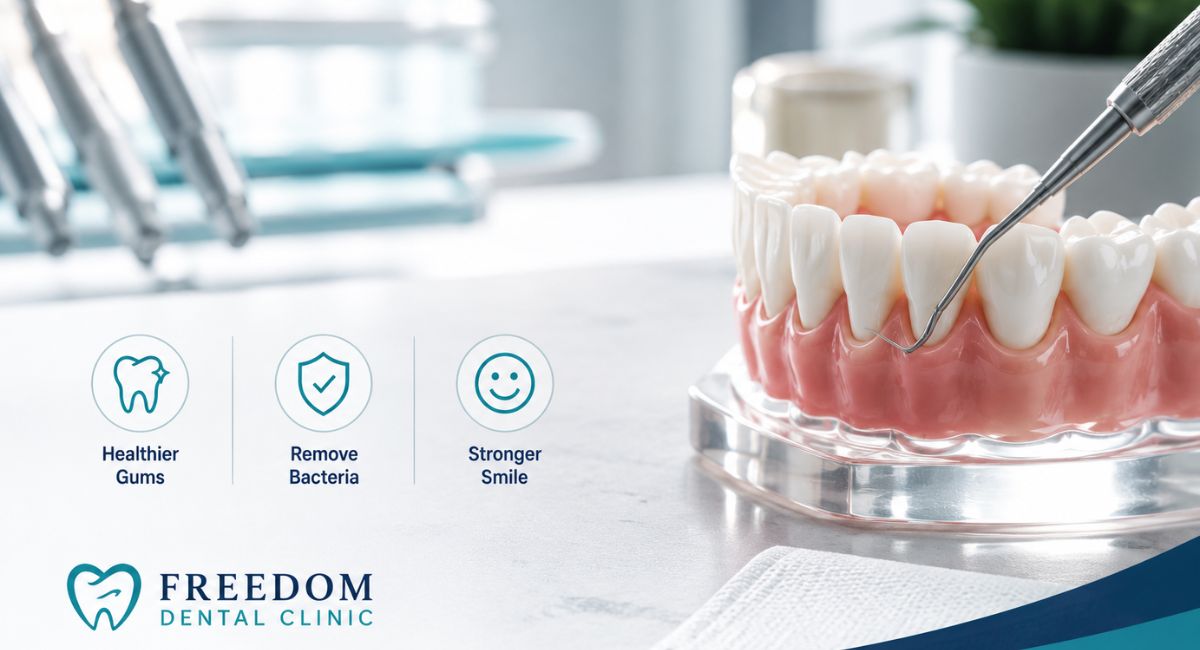
I ignored my bleeding gums for months, thinking it was normal. After visiting a gum cleaning dentist, my gums became healthier, and I realized how important professional dental care truly is.
Healthy gums are the foundation of a healthy smile. A gum cleaning dentist can remove plaque and tartar, prevent gum disease, and help keep your teeth and gums in excellent condition for years to come.
Discover how a gum cleaning dentist can prevent gum disease, improve oral health, and protect your smile.
What Is Gum Cleaning?
Gum cleaning, also known as periodontal cleaning or deep cleaning, is a dental procedure that removes plaque and tartar buildup from the tooth surface and below the gumline. Unlike a routine cleaning, gum cleaning targets the pockets between your teeth and gums where bacteria accumulate and cause inflammation.
There are two main types of gum cleaning:
- Scaling – Removing plaque and tartar from the tooth surface and gumline using specialized dental tools or ultrasonic instruments.
- Root Planing – Smoothing the tooth root surfaces below the gumline to help gums reattach to the teeth and prevent further bacterial buildup.
Together, scaling and root planing (SRP) are often called a “deep cleaning” and are usually recommended when gum disease has progressed beyond what a standard cleaning can address.
Why You Might Need a Gum Cleaning Dentist
Many people put off gum treatment because early gum disease doesn’t hurt. However, ignoring the warning signs can lead to serious oral health issues. Here are common symptoms that indicate you may need professional gum cleaning:
- Bleeding gums when brushing or flossing
- Persistent bad breath (halitosis)
- Red, swollen, or tender gums
- Receding gums or teeth that appear longer than before
- Loose or shifting teeth
- Pus between the teeth and gums
- Changes in your bite or how your teeth fit together
If you notice any of these signs, don’t wait — early intervention is far easier and less costly than treating advanced gum disease.
The Stages of Gum Disease
Understanding where you stand can help you know what kind of treatment to expect.
| Stage | Description | Treatment |
| Gingivitis | Early stage; gums are red, swollen, and may bleed. Reversible with proper care. | Routine cleaning + improved oral hygiene |
| Mild to Moderate Periodontitis | Gum pockets form, bone loss begins. | Scaling and root planing |
| Advanced Periodontitis | Significant bone and tissue loss, teeth may become loose. | Deep cleaning, possible surgery, ongoing maintenance |
Catching gum disease at the gingivitis stage means you can often reverse it completely with a professional cleaning and better home care.
What Happens During a Gum Cleaning Appointment?
A typical gum cleaning visit involves several steps:
- Examination – The dentist or hygienist checks your gums, measures pocket depth, and may take X-rays to assess bone health.
- Scaling – Using ultrasonic tools or hand instruments, the dentist removes plaque and tartar from above and below the gumline.
- Root Planing – The tooth roots are smoothed to discourage bacteria from reattaching and to help gums heal properly.
- Antibacterial Treatment (if needed) – In some cases, the dentist may apply an antimicrobial rinse or localized antibiotic to reduce infection.
- Aftercare Instructions – You’ll receive guidance on managing sensitivity and maintaining oral hygiene at home.
Most gum cleanings are completed in one or two visits, depending on the severity of the condition. Local anesthesia is often used to keep the procedure comfortable.
Benefits of Professional Gum Cleaning
Investing in gum cleaning offers benefits that go far beyond fresher breath:
- Prevents tooth loss by stopping gum disease before it damages the bone supporting your teeth
- Reduces inflammation linked to systemic health issues like heart disease and diabetes
- Improves breath by eliminating bacteria that cause chronic bad breath
- Protects your investment in dental work, such as crowns, veneers, or implants
- Boosts confidence with healthier-looking, pink gums and a brighter smile
- Saves money long-term by avoiding costly treatments for advanced gum disease
How Much Does Gum Cleaning Cost?
The cost of gum cleaning varies based on location, the severity of gum disease, and whether it’s covered by dental insurance. On average:
- Routine cleaning: Often included in preventive dental insurance coverage
- Scaling and root planing: Typically priced per quadrant of the mouth, making total cost dependent on how many areas need treatment
- Follow-up maintenance visits: Usually scheduled every 3–4 months for patients with a history of gum disease
Many dental insurance plans cover at least a portion of periodontal treatment since it’s considered medically necessary rather than cosmetic. It’s best to check with your dentist’s office for an accurate quote based on your specific needs.
How to Maintain Healthy Gums After Treatment
Professional cleaning is only part of the equation — your daily habits matter just as much. Here’s how to protect your gum health between dental visits:
- Brush twice daily with a soft-bristled toothbrush and fluoride toothpaste
- Floss every day to remove plaque between teeth and along the gumline
- Use an antimicrobial mouthwash if recommended by your dentist
- Avoid tobacco products, which significantly increase the risk of gum disease
- Eat a balanced diet low in sugar and rich in vitamin C to support gum tissue health
- Schedule regular dental checkups every six months, or more often if you have a history of gum issues
Choosing the Right Gum Cleaning Dentist
When looking for a dentist to handle your gum health, consider the following:
- Experience with periodontal treatment – Ask if they regularly perform scaling and root planing or work alongside a periodontist for advanced cases
- Technology used – Ultrasonic scalers and digital X-rays can make treatment more precise and comfortable
- Patient reviews – Look for feedback specifically about gum treatment experiences
- Insurance and payment options – Confirm they accept your dental plan or offer flexible payment plans
- Comfort and communication – A good dentist explains your gum health clearly and creates a personalized treatment plan
Frequently Asked Questions
1. Is gum cleaning painful?
Most patients experience only mild discomfort, especially if local anesthesia is used. Some soreness or sensitivity afterward is normal and typically fades within a few days.
2. How often should I get my gums cleaned?
For healthy gums, every six months is standard. If you have gum disease, your dentist may recommend cleanings every three to four months.
3. Can gum disease be reversed?
Gingivitis, the earliest stage, can often be reversed with professional cleaning and improved oral hygiene. More advanced periodontitis can be managed and controlled but not fully reversed.
4. Will my insurance cover gum cleaning?
Many dental insurance plans cover a portion of periodontal treatment, especially when it’s medically necessary. Check with your provider for specific coverage details.
5. What’s the difference between a regular cleaning and a deep cleaning?
A regular cleaning addresses the visible tooth surface, while a deep cleaning (scaling and root planing) treats below the gumline to remove bacteria and tartar buildup associated with gum disease.
Final Thoughts
Your gums do more than frame your smile — they’re essential to your overall oral and physical health. A trusted gum cleaning dentist can help you catch problems early, protect your teeth, and keep your smile looking and feeling its best. Don’t wait for symptoms to worsen — schedule a gum health checkup today and take the first step toward a healthier mouth.