The first time I visited UT Health Tyler with a family member needing urgent cardiac evaluation, I was struck by how organized and compassionate the whole process felt — from check-in to specialist consultation. The depth of care available in East Texas genuinely surprised me, and it completely changed how I think about regional hospital systems.
When people think about world-class healthcare, big city names like Houston or Dallas usually come to mind first. But for hundreds of thousands of East Texans, the answer to serious medical needs is closer than they think. UT Health Tyler has grown into one of the most comprehensive regional hospital systems in the entire state of Texas, offering everything from emergency trauma care and advanced cardiac surgery to cancer treatment, behavioral health, and medical education all under one roof.
Discover everything about UT Health Tyler — services, specialties, locations, and expert patient care tips today.
What Is UT Health Tyler and Its History?
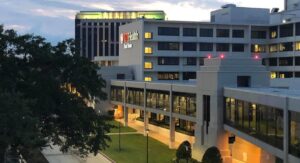
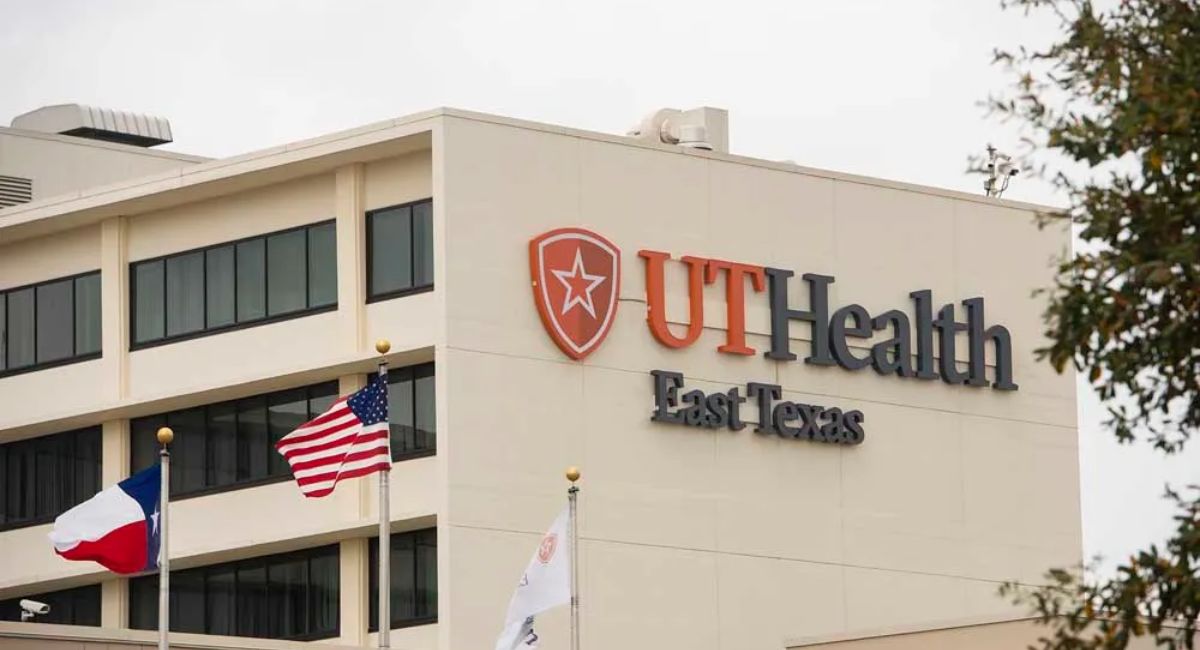
UT Health Tyler is the flagship hospital of the UT Health East Texas system, a regional healthcare network that serves East Texas and surrounding communities with ten hospitals, more than fifty physician clinics, rehabilitation centers, and fitness facilities spread across the region. Located at 1000 South Beckham Avenue in Tyler, Texas, the flagship facility operates 424 licensed beds and serves hundreds of thousands of patients annually across a broad spectrum of medical specialties and services.
The history behind UT Health Tyler is rooted in decades of evolution and institutional partnerships. The system as it exists today was formally established in February 2018 through a merger between the East Texas Medical Center and the University of Texas Health Science Center at Tyler. That merger created a joint venture between Ardent Health Services, which holds a 70 percent ownership stake, and the University of Texas System, which holds 30 percent.
The legal operating name is Tyler Regional Hospital, LLC, operating under the UT Health Tyler brand after purchasing naming rights from the University of Texas System as part of the merger agreement. In 2023, UT Health East Texas began a direct collaboration project with the University of Texas System to construct a new teaching hospital adjacent to the primary Tyler location — a project that further cements the system’s academic and clinical mission in the region. For East Texans, this means access to a hospital system with real university partnership, research infrastructure, and physician training programs that many smaller regional hospitals simply cannot offer.
The Scale and Scope of UT Health Tyler’s Services
Understanding the sheer scope of what UT Health Tyler provides is an important context for anyone navigating healthcare decisions in East Texas. The flagship Tyler location alone operates 424 licensed beds, making it by far the largest hospital facility in the region. The broader UT Health East Texas network adds ten hospitals, 50 physician clinics, 13 rehabilitation centers, and six Olympic fitness centers — creating a system that covers not just acute hospital care but the full continuum of patient wellness from prevention through rehabilitation.
UT Health Tyler serves as the primary teaching hospital for the University of Texas at Tyler School of Medicine, which opened as the first medical school in East Texas. This teaching mission matters because it attracts physician talent committed to both clinical excellence and academic inquiry, and it creates an environment where the latest evidence-based medical approaches are consistently integrated into patient care.
The medical team at UT Health Tyler includes more than 500 physicians spanning a full range of subspecialties, which means patients rarely need to leave the East Texas region for specialized care that would otherwise require a trip to Dallas or Houston. Services at UT Health Tyler span emergency medicine, cardiology, oncology, orthopedics, neurology, obstetrics and gynecology, behavioral health, gastroenterology, pulmonology, and dozens of other clinical specialties and subspecialties — all coordinated within an integrated system designed to support patient care across every stage of life and health condition.
UT Health Tyler’s Heart and Vascular Institute
Why Cardiac Care at UT Health Tyler Stands Out
Cardiac care is one of the most visible and nationally recognized strengths of UT Health Tyler. The Heart and Vascular Institute at the flagship Tyler location is one of the most fully equipped cardiovascular treatment centers in the entire state of Texas outside of the major metropolitan medical centers. The facilities are purpose-built for cardiac care, featuring three dedicated catheterization labs, two dedicated cardiac operating rooms, a ten-bed cardiovascular ICU, a thirty-plus-bed cardiac step-down and recovery floor, and a dedicated cardiac rehabilitation program.
What sets UT Health Tyler’s cardiac program apart from many regional hospitals is not just the physical infrastructure but the clinical depth behind it. The Heart and Vascular Institute has earned accreditation as a Chest Pain Center with vascular testing and echocardiography capabilities — a designation that reflects the ability to rapidly diagnose and treat heart attack patients using evidence-based protocols that minimize the time between symptom onset and treatment. The hospital has also received the Platinum Performance Achievement Award for Chest Pain, an independent recognition of cardiac care quality that very few hospitals achieve.
For patients with complex conditions, the Valve Center at UT Health Tyler brings together three cardiothoracic surgeons and three cardiologists to provide a multidisciplinary approach to heart valve disease evaluation and treatment. The center handles everything from diagnostic imaging through surgical intervention, including transcatheter aortic valve replacement, which is a minimally invasive procedure for high-risk surgical patients. U.S. News and World Report rates UT Health Tyler as High Performing in Abdominal Aortic Aneurysm Repair and Pacemaker Implantation, nationally recognized benchmarks that reflect consistent, measurable clinical excellence in cardiac outcomes.
Cancer Care at the HOPE Cancer Center Tyler
Cancer treatment is another area where UT Health Tyler has invested deeply in building specialized, patient-centered infrastructure. The HOPE Cancer Center, which stands for Helping Oncology Patients Excel, is the oncology hub within the UT Health East Texas system and provides comprehensive cancer care for patients throughout East Texas and beyond. For many patients, having access to this level of oncology services locally means they do not have to make grueling long-distance trips to major cancer centers during an already difficult time in their lives.
The HOPE Cancer Center offers a full spectrum of cancer services, from screening and early detection through active treatment and survivorship care. Services include medical oncology, radiation oncology, surgical oncology, and access to clinical trials that give patients options beyond standard treatment protocols. The multidisciplinary cancer team approach used at the HOPE Cancer Center means that oncologists, radiation specialists, surgeons, pathologists, and patient navigators all collaborate on individual treatment plans — a model that reflects national best practices in cancer care. U.S.
News and World Report recognizes UT Health Tyler as High Performing in both Colon Cancer Surgery and Prostate Cancer Surgery, and the hospital treats a very high volume of cancer patients, which is a clinically meaningful indicator of outcomes. Higher-volume cancer centers tend to produce better patient outcomes across multiple cancer types, and UT Health Tyler’s HOPE Cancer Center has established itself as the regional center of gravity for serious cancer care in East Texas, drawing patients not just from Tyler but from a broad surrounding area of communities and rural counties that lack access to equivalent facilities.
Emergency and Trauma Services at UT Health Tyler
What Makes Their Emergency Department Different
UT Health Tyler operates a Level I trauma center at its flagship location, which represents the highest designation available in the American trauma care system. Achieving and maintaining Level I status requires demonstrated capability to handle the most severe and complex traumatic injuries around the clock, every day of the year, with immediate access to specialized surgical teams, neurosurgery, orthopedic surgery, and critical care — all on site at all times. For East Texas communities, having a Level I trauma center in Tyler means that the most critically injured patients — those involved in serious motor vehicle accidents, severe fall injuries, penetrating trauma, and other life-threatening events — have the best possible chance of survival and functional recovery right in the region.
Here are the five defining features that distinguish emergency and trauma care at UT Health Tyler:
- Level I Trauma Designation: Full 24-hour capability for the most complex traumatic injuries, with all required specialty services available immediately on site at all times, meeting the highest national standards for trauma center readiness and performance.
- AIR 1 Helicopter Service: UT Health East Texas operates four helicopters through its AIR 1 program, enabling rapid air transport of critically injured or medically unstable patients from scenes, smaller facilities, and rural communities across the broader East Texas region.
- CAAS-Accredited EMS System: The UT Health East Texas EMS service holds Commission on Accreditation of Ambulance Services accreditation — the only CAAS-accredited EMS service in all of East Texas — operating 45 ambulances to serve the region’s ground transport needs.
- Specialized Critical Care Units: Beyond the emergency department, UT Health Tyler maintains specialized ICU capacity including a cardiovascular ICU, neurological ICU, and general critical care units, ensuring patients who arrive in emergencies have appropriate step-up care immediately available.
- 24-Hour Coverage Seven Days a Week: The UT Health Tyler emergency department never closes. Fully staffed emergency physician coverage is maintained around the clock every single day of the year, giving the community consistent access to expert emergency care regardless of when a crisis occurs.
Orthopedic and Sports Medicine Services Available

Orthopedic care at UT Health Tyler has expanded significantly in recent years, reflecting both the growing demand for these services across East Texas and the hospital system’s commitment to building specialty depth that keeps patients local rather than sending them to larger metro areas for common procedures. The orthopedic program covers the full range of musculoskeletal conditions, from sports injuries and fracture management to joint replacement surgery and complex spine procedures.
The August 2025 grand opening of the new South Tyler facility on Three Lakes Parkway brought additional orthopedic capacity to one of the fastest-growing parts of the Tyler area. The new 20,000-square-foot, twelve-million-dollar facility specifically features the UT Health East Texas Orthopedic and Sports Medicine Institute on its second floor, providing comprehensive care for athletes and active individuals as well as patients of all ages requiring orthopedic evaluation and treatment.
Services at this location include treatment for sprains, strains, tendonitis, and overuse injuries; comprehensive fracture care from initial diagnosis through follow-up; ultrasound-guided joint injections; and PRP — platelet-rich plasma — injections for targeted minimally invasive treatment. Orthopedic surgeon rotations cover injuries of the hand, wrist, elbow, foot, ankle, knee, hip, and shoulder, as well as joint replacement consultations. The expansion into South Tyler reflects a deliberate strategy by UT Health Tyler to bring specialty services closer to where population growth is occurring, reducing travel burden for patients and making high-quality orthopedic care more accessible throughout the community
Women’s Health and Labor and Delivery Programs
Comprehensive Women’s Care Across All Life Stages
Women’s health services represent one of the most consistently used and personally significant areas of care for any community hospital system, and UT Health Tyler has developed a robust women’s health program that covers the full spectrum from reproductive health through menopause and beyond. The program is designed to address the unique health needs of women at every stage of life, offering both routine wellness care and specialized interventions for complex conditions.
Labor and delivery services at UT Health Tyler provide expectant mothers with access to a full obstetric team including obstetricians, maternal-fetal medicine specialists for high-risk pregnancies, certified nurse midwives, and neonatal care capabilities for newborns who require additional support after delivery. The program handles normal deliveries and complex high-risk pregnancies with equal attention to safety, evidence-based care, and the deeply personal experience that childbirth represents for families.
Beyond maternity care, UT Health Tyler’s women’s health program includes gynecologic care ranging from routine well-woman exams and preventive screenings to surgical treatment of conditions including fibroids, endometriosis, ovarian cysts, and gynecologic cancers. Breast health is a particularly well-developed area within women’s services at UT Health Tyler, with dedicated breast imaging, diagnostic workup, and access to the HOPE Cancer Center for patients diagnosed with breast cancer. The system’s approach to women’s health emphasizes continuity — meaning that a woman can establish care through the UT Health Tyler network and access all necessary services, screenings, and referrals within the same coordinated system rather than navigating fragmented care across multiple unrelated providers.
Behavioral Health and Mental Wellness Services
Behavioral health is a critical and often underserved component of comprehensive hospital care, and UT Health Tyler has made meaningful investments in this area to address the mental health needs of the East Texas community. Mental health conditions including depression, anxiety, bipolar disorder, schizophrenia, and substance use disorders are widespread across East Texas, as they are in most regions of the United States, and the availability of inpatient and outpatient behavioral health services within the UT Health Tyler system is a genuinely important community health resource.
The UT Health North Campus Tyler location specifically features 70 licensed behavioral health beds, representing dedicated inpatient capacity for patients experiencing acute psychiatric crises, severe mood disorders, or substance use emergencies requiring medically supervised detoxification and stabilization. This level of dedicated psychiatric bed capacity is uncommon in regional hospital settings and reflects a serious institutional commitment to treating mental illness with the same urgency and clinical resources as physical illness. Beyond inpatient care, the UT Health Tyler network offers outpatient mental health and wellness services, connecting patients with therapists, psychiatrists, and behavioral health specialists for ongoing treatment of chronic mental health conditions.
The collaboration with the UT Tyler Health Science Center has also enabled behavioral health telemedicine services specifically designed for rural populations — a critically important extension of care for communities in the more remote parts of East Texas where mental health providers are in extremely short supply. For many families in the region, UT Health Tyler represents the most accessible and comprehensive mental health resource within a reasonable distance of their homes
Teaching Hospital Role and Medical Education Mission
One of the most distinctive and consequential aspects of UT Health Tyler is its role as the primary teaching hospital for the University of Texas at Tyler School of Medicine — the first medical school ever established in East Texas. This academic mission elevates UT Health Tyler beyond a typical community hospital and places it in a category of academic medical centers where patient care, physician training, and health research exist in direct and mutually reinforcing relationships with each other.
The UT Tyler School of Medicine welcomed its inaugural class of medical students and has built out a curriculum that emphasizes the unique healthcare needs of East Texas communities, including rural health, chronic disease management, and underserved population care. Having medical students and residents training within UT Health Tyler means that attending physicians — the fully trained specialists responsible for patient care — are consistently engaged in teaching, which tends to reinforce rigorous, evidence-based practice habits. Residency programs across multiple specialties are active within the system, supporting the pipeline of future physicians who will ideally remain in the East Texas region after completing their training.
The SMILE Center — Simulation, Medicine, and Immersive Learning Environment — on the UT Tyler Health Science Center campus supports simulation-based training with four converted operating rooms for educational simulations, an anatomy lab, and a patient clinic with simulated actors. This infrastructure reflects a genuine commitment to training quality rather than just training volume, and it positions UT Health Tyler as an institution with both immediate patient care capacity and long-term community health impact through the physicians it trains and retains.
Research Programs and Clinical Innovation at UT Health Tyler
Research and clinical innovation are not always what people expect to find at a regional East Texas hospital, but UT Health Tyler has developed a meaningful research infrastructure that connects the hospital system with national scientific priorities and brings cutting-edge treatment options to patients who might otherwise not have access to them. This research capacity is one of the genuine differentiators between UT Health Tyler and a standard community hospital with no academic affiliation.
Here are five key dimensions of the research and innovation work happening within UT Health Tyler and its affiliated institutions:
- National Institutes of Health Funding: The University of Texas at Tyler has successfully secured millions of dollars in research funding from the NIH and the National Institute for Occupational Safety and Health, supporting scientific inquiry that directly feeds into clinical practice improvements within the hospital system.
- Center for Biomedical Research: Housed at the UT Tyler Health Science Center campus and focused on areas including lung injury and repair, infectious lung diseases, innate immunity, cell motility, and cancer research — areas of direct relevance to the disease burden of East Texas communities.
- Clinical Trials Access Through HOPE Cancer Center: Cancer patients treated at the HOPE Cancer Center have access to clinical trials that provide options beyond standard approved treatments, connecting East Texas patients with emerging therapies that are otherwise available only at major academic cancer centers.
- Bioterrorism and Public Health Laboratory: A specialized public health laboratory on the UT Tyler Health Science Center campus provides bioterrorism testing and emerging pathogen detection services to multiple East Texas counties, serving a critical public safety function for the region.
- Ardent Health Services Partnership: The 70 percent ownership stake held by Ardent Health Services provides UT Health Tyler with access to a broader national network of health system innovation, quality improvement protocols, and shared clinical best practices from Ardent’s multi-state hospital portfolio.
How to Navigate the UT Health Tyler Patient Portal
The UT Health Tyler patient portal is one of the most practical tools available to patients and families managing healthcare needs within the system, and learning how to use it effectively can significantly improve the experience of navigating care. The portal provides online access to personal health and medical information including test results, visit summaries, medication lists, and appointment scheduling — all from any internet-connected device.
Accessing the portal begins with registration, which requires basic patient identification information and typically happens either at the hospital during a visit or through the UT Health East Texas website. Once registered, patients can log in to view their health records, request prescription refills for medications prescribed by UT Health physicians, communicate with care team members, and pay medical bills online — a significant convenience compared to managing all of these tasks by phone or in person.
For patients managing chronic conditions or those who have recently had procedures, the ability to view test results and imaging reports directly through the portal — often before speaking with a physician — is both empowering and practically useful. Parents and authorized caregivers can also set up proxy access to manage portal accounts for minor children or elderly family members, which simplifies the coordination of care for households managing multiple patients within the system. The portal’s online bill pay feature is particularly useful for understanding the breakdown of charges and for setting up payment plans for patients who need to manage healthcare costs over time.
New South Tyler Facility and System Expansion
UT Health Tyler and the broader UT Health East Texas system have been actively expanding physical infrastructure to keep pace with population growth in the Tyler area, and the August 2025 grand opening of the new South Tyler facility at 2208 Three Lakes Parkway represents one of the most significant recent additions to the system’s community footprint. The twelve-million-dollar, 20,000-square-foot facility serves one of the fastest-growing corridors in the entire East Texas region, located just off Old Jacksonville Highway in an area of South Tyler that has seen substantial residential and commercial development in recent years.
The new facility brings together urgent care, cardiology, diagnostic imaging, and orthopedic and sports medicine services at a single location designed with patient convenience in mind — featuring ample parking and covered drop-off access. The adjacent existing clinic on Three Lakes Parkway already offered family medicine, internal medicine, ENT, and facial plastic surgery services, meaning the combined campus now provides a genuinely broad range of care for South Tyler residents without requiring trips to the main Beckham Avenue location.
The facility also serves an educational mission as part of the UT Health Tyler teaching hospital network, with clinical faculty from the UT Tyler School of Medicine providing patient care in the new location. Occupational health services — including pre-employment physicals, workplace injury evaluation, drug and alcohol testing, and return-to-work exams — are also available at the South Tyler location, serving the significant employer community in that part of the region. This expansion reflects a deliberate and patient-focused strategy to distribute UT Health Tyler’s specialty services into the neighborhoods where growth is happening, reducing barriers to high-quality care for a broader segment of the East Texas population.
Insurance, Billing, and Financial Assistance Options
Understanding how billing, insurance, and financial assistance work at UT Health Tyler is an essential but often underappreciated part of the patient experience, particularly for lower-income families and uninsured or underinsured individuals who may avoid seeking necessary care because of uncertainty about costs. UT Health Tyler accepts most major commercial insurance plans, Medicare, and Medicaid, and the system has financial counselors available to help patients understand their coverage and benefits before or after receiving care.
For patients who are uninsured or who face financial hardship despite having insurance, UT Health Tyler offers financial assistance programs and charity care options. The system’s financial counseling team can work with patients to apply for programs that may cover a portion or all of their medical bills based on income and family size, and they can also assist with applications for Medicaid or other public coverage programs that patients may qualify for but have not yet accessed.
Payment plans are available for patients who cannot pay their bills in full immediately, and the online patient portal provides a convenient way to view statements and manage payment arrangements. The North Campus Tyler pharmacy, which fills prescriptions written by UT Health physicians and mid-level providers, offers a discounted rate for medications — an important benefit for patients trying to manage the total cost of their care. Being proactive about understanding the financial side of care at UT Health Tyler — asking about costs in advance, understanding insurance benefits, and speaking with financial counselors when needed — can prevent the kind of billing surprises that too often undermine the care experience even when clinical outcomes are excellent.
Expert Tips for Using UT Health Tyler Effectively
Making the most of a large, multi-specialty hospital system like UT Health Tyler requires more than just showing up when you’re sick. A little preparation and awareness of how the system works can make a meaningful difference in the quality and efficiency of your care experience. Register for the patient portal before you need it urgently. The portal is most useful when you can set it up during a routine visit rather than scrambling to create an account during a health crisis. Get registered, explore the features, and make sure you can access test results and messaging tools before you genuinely need them.
Call ahead before using the emergency department for non-emergency needs. UT Health Tyler has urgent care locations — including the new South Tyler facility — that are designed for conditions that need same-day attention but do not rise to the level of true emergency. Using urgent care appropriately reduces your wait time and preserves emergency resources for the most critical patients. Ask specifically about clinical trial eligibility if you or a loved one has a cancer diagnosis. The HOPE Cancer Center participates in clinical trials that are not always proactively offered to every patient. Asking directly whether you qualify for any open trials gives you options that could include access to promising treatments that standard care protocols have not yet adopted.
Use the referral system within the UT Health Tyler network rather than seeking outside specialists first. Because UT Health Tyler employs more than 500 physicians across a full range of subspecialties, your primary care physician within the system can typically refer you to a specialist in the same coordinated network — meaning your records transfer seamlessly, your care team communicates more effectively, and your overall experience is better coordinated than if you fragment your care across unrelated providers. Bring a complete medication list and prior medical records to every appointment.
Conclusion
UT Health Tyler stands as one of the most comprehensive and genuinely impactful regional hospital systems in all of Texas. With 424 licensed beds, more than 500 physicians, a Level I trauma center, the HOPE Cancer Center, a nationally recognized Heart and Vascular Institute, a first-of-its-kind East Texas medical school partnership, and ongoing infrastructure expansion across the Tyler area, UT Health Tyler delivers the kind of care East Texans once had to travel hours to access. For anyone living in or near Tyler, knowing what this system offers is one of the most valuable pieces of health information you can carry.
Frequently Asked Questions About UT Health Tyler
1. What is the address and phone number for UT Health Tyler’s main hospital?
The flagship UT Health Tyler hospital is located at 1000 South Beckham Avenue, Tyler, Texas 75701. The main phone number is (903) 597-0351. The hospital operates 24 hours a day, seven days a week, including all major holidays, with full emergency department and critical care services available at all times. The hospital is easily accessible from major Tyler roadways and serves as the central hub of the UT Health East Texas network, which also includes hospitals, clinics, and rehabilitation centers spread across ten locations throughout the broader East Texas region.
2. What trauma level is UT Health Tyler and what does that mean for patients?
UT Health Tyler holds a Level I trauma designation, which is the highest possible level in the American trauma center classification system. A Level I trauma center is required to have immediate availability of all surgical and specialty services needed to treat the most severe traumatic injuries — including neurosurgery, orthopedic surgery, cardiothoracic surgery, and critical care — 24 hours a day. This designation also requires a dedicated trauma program with research and education components.
3. Does UT Health Tyler accept Medicare and Medicaid insurance?
Yes, UT Health Tyler accepts both Medicare and Medicaid, along with most major commercial insurance plans. The hospital system also has financial counselors available to help patients understand their specific coverage, clarify what services are covered under their plan, and identify whether they qualify for financial assistance programs or charity care for costs not covered by insurance. Patients who are uninsured are encouraged to speak with a financial counselor before or at the time of their visit to explore available options. The patient portal also provides access to billing statements and online payment tools, making it easier to manage healthcare costs and set up payment plans when needed for services received at any UT Health Tyler location.
4. What cancer services does the HOPE Cancer Center at UT Health Tyler offer?
The HOPE Cancer Center — Helping Oncology Patients Excel — provides comprehensive cancer care services including medical oncology for chemotherapy and systemic treatment, radiation oncology for targeted radiation therapy, surgical oncology for cancer surgery, and access to clinical trials. The multidisciplinary team approach means that specialists from multiple disciplines collaborate on each patient’s treatment plan rather than operating in silos.
5. Is there a new UT Health Tyler location in South Tyler?
Yes. In August 2025, UT Health East Texas celebrated the grand opening of a new 20,000-square-foot, twelve-million-dollar facility at 2208 Three Lakes Parkway in South Tyler, just off Old Jacksonville Highway. This facility brings together urgent care, cardiology, diagnostic imaging, orthopedic and sports medicine, and occupational health services in one convenient location in one of the fastest-growing parts of the Tyler area. The second floor of the new building houses the UT Health East Texas Orthopedic and Sports Medicine Institute, serving both athletes and patients of all ages with musculoskeletal conditions. Clinical faculty from the UT Tyler School of Medicine also see patients at this location, extending the system’s academic medicine mission into South Tyler’s growing community.
6. What behavioral health services does UT Health Tyler provide?
UT Health Tyler offers both inpatient and outpatient behavioral health services. The UT Health North Campus Tyler location specifically features 70 dedicated behavioral health beds for patients requiring inpatient psychiatric care — including those experiencing acute mental health crises, severe mood disorders, or substance use emergencies requiring medically supervised care. Outpatient mental health services are also available through the UT Health Tyler network, connecting patients with psychiatrists, therapists, and behavioral health specialists for ongoing management of chronic conditions. Additionally, the system operates behavioral health telemedicine services for rural populations through its collaboration with the UT Tyler Health Science Center, extending mental health access to communities in more remote parts of East Texas where in-person behavioral health providers are extremely limited.
7. How does the UT Health Tyler patient portal work and how do I sign up?
The UT Health Tyler patient portal provides online access to your personal health records, including test results, visit summaries, medication lists, and appointment history. You can also use the portal to request prescription refills for medications prescribed by UT Health physicians, send secure messages to your care team, schedule appointments, and pay your medical bills online. To register, you can sign up at the hospital during a visit or through the UT Health East Texas website using your patient information. Once registered, the portal is accessible from any internet-connected device including smartphones, tablets, and computers. Parents and authorized caregivers can also set up proxy access to manage accounts for minor children or elderly family members within the system.
8. Does UT Health Tyler have air transport and ambulance services?
Yes. UT Health East Texas operates AIR 1, a helicopter transport program with four helicopters that provide rapid air transport for critically ill or injured patients from accident scenes, smaller facilities, and rural communities throughout East Texas. For ground transport, the system operates 45 ambulances through its EMS service, which holds Commission on Accreditation of Ambulance Services accreditation — making it the only CAAS-accredited EMS service in all of East Texas. These integrated air and ground transport capabilities mean that patients across a broad geographic area can receive rapid access to the Level I trauma center and other specialized services at UT Health Tyler even when they are initially far from the Tyler campus.
9. What makes UT Health Tyler different from other hospitals in the East Texas region?
Several factors meaningfully distinguish UT Health Tyler from other hospital options in East Texas. First, it is the only Level I trauma center in the region, providing the highest level of emergency and trauma capability available. Second, it is the primary teaching hospital for the UT Tyler School of Medicine — the only medical school in East Texas — which brings an academic medicine culture, research activity, and specialty physician depth that community hospitals without academic affiliation cannot match.
Summary
UT Health Tyler is East Texas’s most comprehensive healthcare system, offering a Level I trauma center, nationally recognized cardiac and cancer care, behavioral health services, medical education through the first East Texas medical school, and an expanding network of clinics and facilities. With over 500 physicians across all major specialties, UT Health Tyler brings big-city medical capability to the heart of East Texas — close to home.