I struggled for years with uneven skin tone, breakouts, and dullness until I built a consistent routine. Once I started applying simple skin care tips like cleansing properly, hydration, and sunscreen, my skin gradually became clearer, smoother, and more naturally radiant.
Healthy skin is not achieved overnight or through expensive products. It comes from simple, consistent habits followed daily. These skin care tips will help you understand your skin better, build an effective routine, and achieve long-term healthy, glowing skin naturally.
Effective skin care tips for glowing skin, hydration, acne control, anti-aging, and daily skincare routines for all skin types.
1. Understanding Your Skin Type First
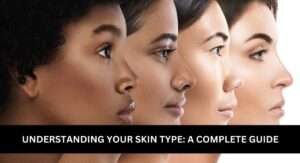
One of the most important skin care tips is understanding your skin type before choosing any product or routine, because every skin type reacts differently to ingredients, weather, and lifestyle habits. Skin is generally categorized into oily, dry, combination, and sensitive types, and each category requires a completely different approach to maintain balance. Without identifying your skin type correctly, even high-quality products may not deliver the expected results and can sometimes worsen existing issues like breakouts, dryness, or irritation.
Oily skin typically produces excess sebum, which leads to shine, clogged pores, and acne, while dry skin lacks natural moisture and often feels tight, rough, or flaky. Combination skin has both oily and dry areas, usually with an oily T-zone and dry cheeks, making it more complex to manage. Sensitive skin reacts easily to external factors like fragrance, weather changes, and active ingredients, often resulting in redness or irritation.
When you follow skin care tips based on your specific skin type, your entire routine becomes more effective, targeted, and balanced. This understanding is the foundation of long-term skin health because it prevents unnecessary irritation and helps you choose products that support your skin rather than harm it. Over time, this leads to more stable, healthier, and visibly improved skin.
2. Daily Cleansing for Healthy Skin
Cleansing is one of the most essential skin care tips because it forms the base of every skincare routine and directly affects how healthy your skin looks and feels. Throughout the day, your skin collects dirt, oil, sweat, pollution particles, and makeup residue, all of which can settle into pores if not properly removed. When these impurities accumulate, they often lead to clogged pores, acne breakouts, uneven texture, and a dull appearance.
A gentle cleanser should always be used twice daily—once in the morning and once at night—to maintain proper skin hygiene without stripping away natural oils. One of the biggest mistakes people make is over-cleansing or using harsh soaps, which can damage the skin barrier and cause dryness or trigger excess oil production as the skin tries to compensate for moisture loss.
Proper cleansing also plays a major role in preparing the skin to absorb moisturizers, serums, and treatments more effectively. When the skin is clean and balanced, active ingredients can penetrate better and work more efficiently. Using lukewarm water instead of hot water is also an important part of skin care tips because it helps maintain natural hydration levels and prevents unnecessary irritation.
3. Importance of Hydration for Skin Health
| Aspect | What It Means | Skin Benefit |
| Internal Hydration | Drinking enough water daily | Improves skin glow and detoxification |
| External Hydration | Using moisturizers and serums | Locks moisture into the skin barrier |
| Hyaluronic Acid | Water-binding skincare ingredient | Keeps skin plump and smooth |
| Dehydration Signs | Dryness, dullness, tight skin | Indicates lack of moisture balance |
| Consistent Care | Daily hydration routine | Long-term healthy, radiant skin |
Internal and External Hydration Balance
Hydration is one of the most powerful skin care tips because it directly impacts skin elasticity, smoothness, and overall glow. Proper hydration involves both internal water intake and external moisture support through skincare products. Drinking enough water throughout the day helps maintain body hydration, supports detoxification, and improves the skin’s natural ability to repair itself from within.
Externally, moisturizers and hydrating products help lock in moisture and prevent water loss from the skin barrier. When the skin is well-hydrated, it appears plump, soft, and youthful. On the other hand, dehydrated skin often looks dull, tired, and uneven in texture. Even oily skin can suffer from dehydration, which may actually trigger more oil production as the skin tries to compensate for lack of moisture.
Ingredients like hyaluronic acid, glycerin, and aloe vera are commonly recommended in skin care tips because they help attract and retain moisture in the skin. When hydration is maintained consistently, the skin becomes more resilient, balanced, and naturally radiant over time.
4. Moisturizing for Barrier Protection

Moisturizing is one of the most important skin care tips because it plays a direct role in strengthening and protecting the skin barrier. The skin barrier acts as the first line of defense against environmental stressors such as pollution, bacteria, UV exposure, and harsh weather conditions. When this barrier becomes weak or damaged, the skin becomes more sensitive, reactive, and prone to dryness or irritation.
A good moisturizer helps lock in hydration and reinforce the protective layer of the skin. Different skin types require different formulations—gel-based moisturizers are often better for oily skin because they are lightweight and non-greasy, while cream-based moisturizers are more suitable for dry skin because they provide deeper nourishment and long-lasting hydration.
Consistent moisturizing helps improve overall skin texture, reduce dryness, and enhance natural glow over time. It also supports the healing process of the skin barrier, making it more resilient against external damage. One of the most overlooked skin care tips is that even oily skin needs moisturizing, as skipping it can lead to imbalance and increased oil production.
5. Sun Protection Skin Care Tips
Sun protection is one of the most critical skin care tips for maintaining long-term skin health because UV radiation is one of the leading causes of premature aging, pigmentation, dark spots, and collagen breakdown. Many people underestimate sun exposure, but UV rays can penetrate the skin even on cloudy days or through windows indoors, causing gradual damage over time.
A proper sunscreen routine includes applying a broad-spectrum SPF of 30 or higher every morning, regardless of weather conditions. It should also be reapplied every 2–3 hours when spending extended time outdoors. Protective measures such as wearing hats, sunglasses, and avoiding direct sun exposure during peak hours further enhance skin protection.
Daily sunscreen use helps preserve skin elasticity, maintain even skin tone, and protect the natural structure of the skin. Without sunscreen, other skincare efforts such as hydration and treatment products become less effective because ongoing UV damage continues to impact the skin. Among all skin care tips, sun protection is one of the most powerful and non-negotiable habits for long-term skin preservation.
6. Exfoliation for Skin Renewal
Exfoliation is an important part of skin care tips because it helps remove dead skin cells from the surface, allowing fresh and healthy skin to emerge. This process improves skin texture, enhances radiance, and helps skincare products absorb more effectively. However, exfoliation must always be done carefully and in moderation.
Over-exfoliation is a common mistake that can damage the skin barrier, leading to redness, sensitivity, and dryness. Chemical exfoliants such as AHAs and BHAs are often recommended over physical scrubs because they provide deeper and more even exfoliation without causing micro-tears in the skin.
Most skin types benefit from exfoliation only once or twice a week, depending on sensitivity and skin condition. When done correctly, exfoliation can help reduce clogged pores, improve uneven texture, and promote a smoother complexion. One of the key skin care tips is to always listen to your skin and avoid aggressive exfoliation routines.
7. Nutrition and Diet Impact on Skin

Foods That Improve Skin Health
Diet plays a major role in skin care tips because the skin is often a reflection of internal health and nutrition. A balanced diet rich in vitamins, minerals, antioxidants, and healthy fats supports skin repair, hydration, and natural glow. Nutrients like vitamin C, vitamin E, omega-3 fatty acids, and zinc are especially important for maintaining healthy skin structure.
Fruits, vegetables, nuts, seeds, and water-rich foods help improve skin clarity and reduce inflammation from within. These foods support collagen production, protect against oxidative stress, and promote smoother texture. On the other hand, processed foods, excess sugar, and unhealthy fats can trigger inflammation, leading to breakouts, dullness, and uneven skin tone.
One of the most effective skin care tips is to combine a good skincare routine with a balanced diet because external care alone is not enough. Healthy eating habits enhance the results of skincare products and contribute to long-term skin improvement.
8. Stress and Its Effect on Skin
Stress is one of the most overlooked factors in skin care tips, yet it has a direct impact on skin health and appearance. When the body experiences stress, it releases cortisol, a hormone that can increase oil production, trigger inflammation, and weaken the skin barrier. This often leads to breakouts, redness, sensitivity, and uneven texture.
Chronic stress can make even a good skincare routine less effective because the skin remains in a constant state of imbalance. That is why emotional well-being is closely connected to skin health. Managing stress through relaxation techniques such as meditation, yoga, regular exercise, and proper sleep can significantly improve skin condition. When stress levels are reduced, the skin becomes calmer, more balanced, and better able to respond to skincare treatments. One of the most important skin care tips is understanding that healthy skin requires both external care and internal emotional balance.
9. Night Skincare Routine Importance
Nighttime is when the skin naturally enters repair mode, making it one of the most important parts of skin care tips. During sleep, the skin works to regenerate cells, repair damage from environmental exposure, and restore hydration levels. A proper nighttime routine supports this natural process and enhances skin recovery.
A good night routine includes cleansing to remove dirt and impurities, applying treatment serums if needed, and finishing with a nourishing moisturizer to lock in hydration. Removing makeup before bed is essential because leftover residue can clog pores and lead to breakouts or irritation. Consistent nighttime skincare helps improve texture, hydration, and overall skin clarity over time. It allows the skin to recover fully and maintain a healthier appearance. One of the most effective skin care tips is never skipping your night routine, as it plays a major role in long-term skin improvement.
10. Importance of Consistent Skin Care Routine Habits
Consistency is one of the most important skin care tips because the skin responds best to stable and repeated care rather than frequent changes. Many people switch products too quickly when they don’t see instant results, but skincare is a gradual process that requires time for visible improvement. A consistent routine allows the skin barrier to adapt, repair, and strengthen naturally over time.
When you follow a stable routine every day—morning and night—the skin becomes more balanced and predictable. This reduces issues like sudden breakouts, dryness, or excess oil production. Consistency also helps active ingredients work more effectively because the skin gets enough time to respond properly. One of the most overlooked skin care tips is that even a simple routine done consistently will always outperform a complex routine done irregularly. Long-term skin health depends more on discipline than on the number of products used.
11. Choosing the Right Skincare Products Wisely
Selecting the right skincare products is one of the most practical skin care tips because product choice directly affects how your skin behaves and responds. Not every trending product is suitable for every skin type, and using the wrong formula can lead to irritation, breakouts, or dryness. It is important to always choose products based on your skin type, concerns, and sensitivity level. Ingredients should be carefully reviewed, especially for people with reactive or acne-prone skin. Fragrance-free, non-comedogenic, and dermatologist-tested formulas are often safer choices.
Another key part of this skin care tips category is introducing new products slowly. Instead of applying multiple new products at once, it is better to test one product at a time to understand how your skin reacts. This approach reduces the risk of irritation and helps build a safer and more effective routine.
12. Role of Sleep in Skin Repair and Glow

Sleep plays a major role in skin care tips because the skin undergoes its most active repair and regeneration process during deep sleep. While you rest, your body increases blood flow to the skin, repairs damaged cells, and produces new collagen, which is essential for maintaining firmness and elasticity. Poor sleep quality can lead to dullness, uneven tone, puffiness, and increased breakouts. Lack of sleep also increases stress hormones, which can worsen inflammation and skin sensitivity. That is why consistent sleep is directly linked to healthier-looking skin. One of the most powerful skin care tips is maintaining 7–9 hours of quality sleep every night.
13. Seasonal Changes and Skin Care Adjustments
Seasonal changes have a strong impact on skin behavior, making this one of the most practical skin care tips for year-round skin health. In winter, the air becomes dry and cold, which can strip moisture from the skin, leading to flakiness and tightness. During this time, richer moisturizers and stronger hydration routines are essential.
In summer, higher temperatures and humidity increase oil production and sweat, which can lead to clogged pores and breakouts. Lightweight, gel-based products and stronger sun protection become more important during warmer months.
One of the key skin care tips is adapting your routine according to seasonal changes instead of using the same products all year. This flexibility helps maintain balance and prevents seasonal skin issues like dryness or excessive oiliness.
14. Professional Dermatologist Advice for Healthy Skin
Dermatologists emphasize that simplicity is one of the most effective skin care tips for long-term skin health. Overcomplicating routines or using too many active ingredients often leads to irritation and barrier damage instead of improvement.
Professional advice usually focuses on three core steps: cleansing, moisturizing, and sun protection. These basics form the foundation of healthy skin regardless of age or skin type. Dermatologists also recommend patience, as skin changes take time and consistency. Another important skin care tip from professionals is to avoid self-diagnosing severe skin issues and seek expert guidance when necessary. Proper diagnosis ensures that the correct treatments are used, preventing long-term damage and improving skin health more effectively.
Conclusion
Healthy skin is not achieved through shortcuts or expensive products, but through consistent daily habits that support long-term balance and protection. Following the right skin care tips such as proper cleansing, hydration, moisturizing, sun protection, and stress management helps build a strong foundation for naturally glowing skin. Over time, these simple practices improve texture, reduce breakouts, and strengthen the skin barrier against environmental damage.
Frequently Asked Questions
1. What are the most effective skin care tips for daily use?
The most effective skin care tips for daily use include cleansing the skin twice a day, moisturizing regularly, and applying sunscreen every morning. These three steps form the foundation of healthy skin because they help remove impurities, maintain hydration, and protect against UV damage. Consistency is more important than complexity, and even a simple routine can deliver excellent long-term results when followed properly.
2. How soon can skin care tips show visible results?
Skin care tips usually take around 4 to 8 weeks to show visible results because the skin follows a natural renewal cycle. Some improvements like hydration and softness may appear within days, but deeper changes such as reduced acne, improved texture, or even skin tone require consistent care over time. Patience and regular use are key to achieving lasting results.
3. Can skin care tips help reduce acne permanently?
Yes, proper skin care tips can significantly help control acne by managing oil production, keeping pores clean, and reducing inflammation. However, acne management requires consistency and the right combination of gentle cleansing, non-comedogenic products, and sometimes active ingredients like salicylic acid or niacinamide. While skincare improves acne, lifestyle habits also play an important role in long-term results.
4. Are expensive products better than basic skin care tips?
No, expensive products are not always better. The effectiveness of skin care tips depends more on ingredient quality and skin compatibility rather than price. Many affordable products contain the same active ingredients as luxury brands. A simple and consistent routine often works better than expensive but inconsistent skincare use.
5. Do skin care tips work for sensitive skin?
Yes, skin care tips work very well for sensitive skin when followed correctly. Sensitive skin requires gentle, fragrance-free products and a minimal routine to avoid irritation. The focus should be on calming and strengthening the skin barrier. Over time, consistent care helps reduce redness, irritation, and skin reactivity.
6. How important is sunscreen in skin care tips?
Sunscreen is one of the most important skin care tips because it protects the skin from harmful UV rays that cause aging, pigmentation, and long-term damage. Daily sunscreen use helps preserve skin health and prevents premature aging. Even on cloudy days or indoors near windows, sunscreen is necessary for full protection.
7. Can diet improve the results of skin care tips?
Yes, diet plays a major role in enhancing the results of skin care tips. A balanced diet rich in vitamins, antioxidants, and healthy fats supports skin repair and glow from within. Drinking enough water and eating fresh fruits and vegetables helps improve hydration, reduce inflammation, and promote healthier-looking skin.
8. Why is consistency important in skin care tips?
Consistency is essential because the skin needs time to adjust and respond to skincare routines. Changing products too often or skipping routines can disrupt the skin barrier and slow down progress. When skin care tips are followed consistently, the skin becomes more balanced, predictable, and healthier over time.
9. Can lifestyle affect skin care tips results?
Yes, lifestyle has a strong impact on skin care results. Factors like stress, sleep quality, hydration, and diet directly influence skin health. Even the best skincare routine cannot fully compensate for poor lifestyle habits. A balanced lifestyle combined with proper skin care tips leads to the best and most long-lasting skin improvements.
Summary
Skin care tips focus on cleansing, hydration, sun protection, and consistency. Following a simple daily routine improves skin texture, prevents damage, and supports long-term glow. Combined with healthy lifestyle habits, these tips help maintain clear, balanced, and naturally radiant skin over time for all skin types effectively.