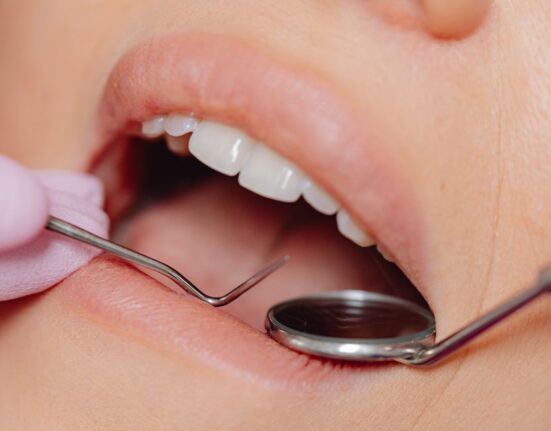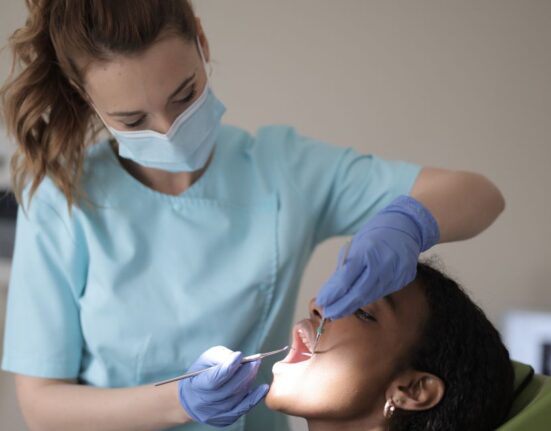

When my child suddenly developed a severe toothache, I felt worried and immediately looked for a pediatric dentist emergency service. The dentist was gentle, explained everything clearly, and helped my child feel comfortable during treatment. This experience taught me the importance of finding a trusted pediatric dentist and acting quickly when dental problems occur.
A pediatric dentist emergency requires prompt attention when a child experiences severe tooth pain, a broken tooth, or swollen gums. An emergency pediatric dentist can diagnose the problem and provide appropriate treatment to protect your child’s oral health. Recognizing warning signs and seeking timely dental care can help prevent complications and keep your child’s smile healthy.
Stay tuned with us to explore pediatric dentist emergency, warning signs, urgent treatments, and tips for protecting your child’s smile.
What Is a Pediatric Dentist Emergency?
A pediatric dental emergency is a dental problem that needs immediate or urgent attention to relieve pain, prevent complications, or protect a child’s teeth. Some problems are minor, while others need treatment as soon as possible. For example, a small chip without pain may not require emergency treatment, but a knocked-out permanent tooth needs immediate dental attention.
7 Common Situations That Require an Emergency Pediatric Dentist
1. Severe Toothache
A sudden toothache can make it difficult for a child to eat, sleep, or concentrate on everyday activities. Tooth pain may develop because of cavities, damaged teeth, trapped food, or an infection.
2. A Knocked-Out Tooth
Children often injure their teeth while playing outdoors, riding bicycles, or participating in sports. A knocked-out tooth can be frightening, but knowing what to do can help. If a permanent tooth has been knocked out, seek dental care immediately.
3. Broken or Chipped Tooth
A broken tooth can happen when a child falls, bites something hard, or gets hit in the mouth. Sometimes the damage is minor, but a deeper fracture can expose sensitive parts of the tooth.
4. Swollen Gums or Facial Swelling
Swollen gums can sometimes indicate a dental infection or abscess. Your child may also experience throbbing pain, bad breath, fever, or difficulty chewing. Do not ignore these symptoms, even if the pain suddenly improves.
5. Mouth Injuries During Play or Sports
Children are active, and accidents can happen during football, cycling, running, or playground activities. A fall may damage a tooth, cut the lips, or injure the gums. Check your child’s mouth gently for bleeding, loose teeth, swelling, or visible damage.
6. Bleeding From the Mouth
Small cuts inside the mouth are common during childhood. However, heavy bleeding or bleeding that does not stop needs urgent attention. Help your child sit upright and apply gentle, continuous pressure to the bleeding area with clean gauze.
7. Lost Filling or Dental Crown
A filling or crown may come loose while your child is eating or playing. The affected tooth can become sensitive to hot, cold, or sweet foods. Contact your child’s dentist and follow their advice. Until the tooth is examined, encourage your child to avoid chewing on that side.
How to Keep Your Child Comfortable Before the Appointment

While arranging dental care, try to keep your child calm and comfortable.
- Speak gently and reassure your child that you are there to help.
- Offer soft foods if eating is comfortable, and avoid very hot or cold foods if they trigger pain.
- Use a cold compress on the outside of the cheek for swelling.
- Follow age- and weight-appropriate medication instructions and professional advice.
- Avoid applying unapproved substances or home remedies directly to the affected tooth.
Frequently Asked Questions About Us
1. When should I take my child to an emergency pediatric dentist?
You should contact an emergency pediatric dentist if your child has severe tooth pain, a broken tooth, swollen gums, or a dental injury. A knocked-out permanent tooth requires immediate dental attention.
2. What should I do if my child’s tooth is knocked out?
If a permanent tooth is knocked out, hold it by the crown, keep it moist in milk or a tooth-preservation solution, and seek immediate dental care. Never replant a knocked-out baby tooth.
3. Can a pediatric dentist treat a child’s dental emergency at night?
Some pediatric dental clinics offer evening, weekend, or after-hours appointments. Call the clinic before visiting to confirm availability and explain your child’s symptoms.
4. How can I relieve my child’s toothache before visiting the dentist?
Gently rinse your child’s mouth with warm water and apply a cold compress to the outside of the cheek if needed. Use age- and weight-appropriate pain relief according to professional advice, and arrange dental care for persistent or severe pain.
5. What are the signs of a serious dental emergency in children?
Severe pain, facial swelling, pus, fever with dental symptoms, and significant bleeding can indicate an urgent problem. If your child has difficulty breathing or swallowing or rapidly increasing facial or neck swelling, seek emergency medical care immediately.
Conclusion
A pediatric dentist emergency can be stressful, but quick action can protect your child’s smile. Recognize warning signs such as severe toothaches, broken teeth, and swollen gums. Keep your dentist’s contact information handy, encourage good oral hygiene, and seek professional care promptly to prevent complications and support your child’s healthy, happy smile.