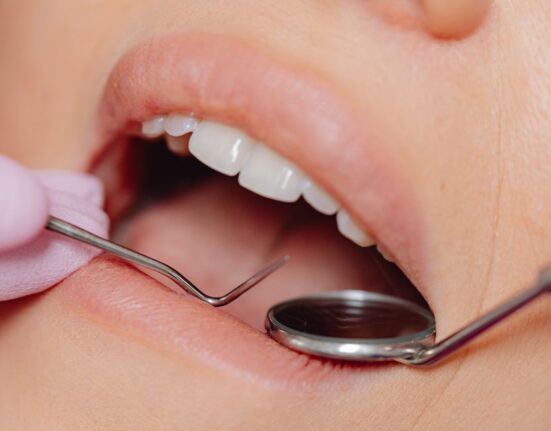
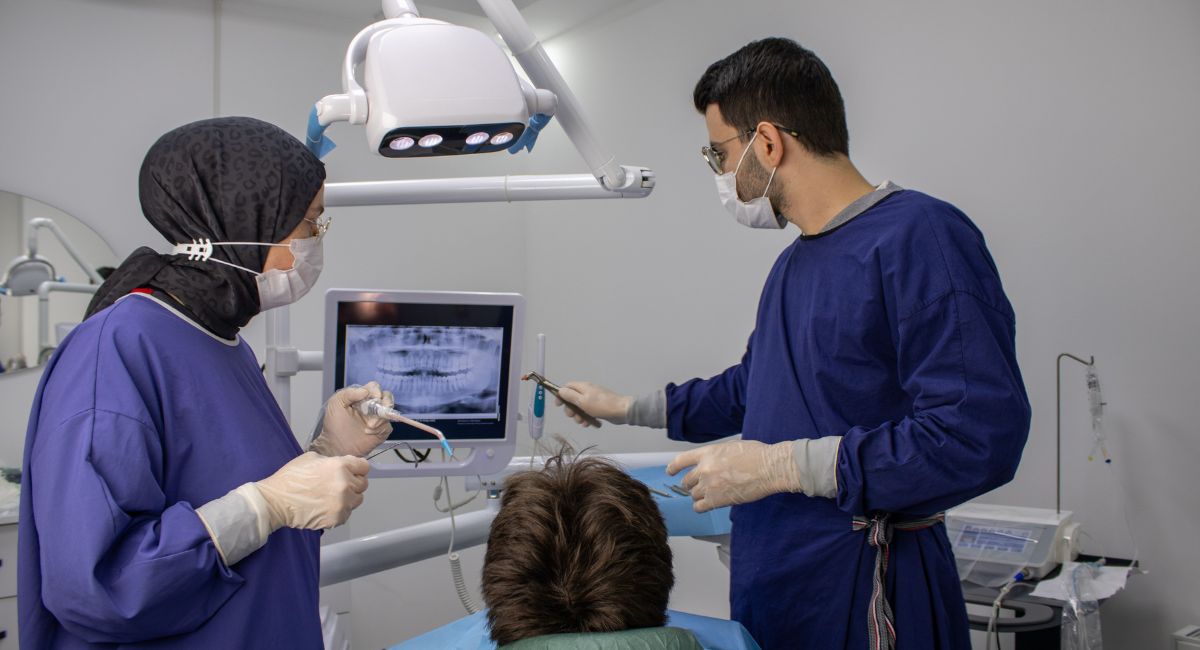
I used to put off dental appointments because I worried about pain, especially when I imagined sitting in the chair with a drill nearby.My friend Sarah told me about her visit to a painless dentist, and hearing how the appointment went made me less nervous about booking my own.I still get a little tense before dental work, but I’ve learned that asking questions and explaining my fears can make the experience feel more manageable.
A painless dentist focuses on making dental visits more comfortable by discussing pain control, explaining procedures, and helping patients feel relaxed.Although no dentist can promise that every procedure will be completely pain-free, several techniques can reduce discomfort and anxiety.Knowing what to expect before your appointment can help you feel more prepared and confident.
Stay connected with us to discover helpful tips for finding the painless dentist and feeling more confident before your next dental appointment.
What “painless” can actually mean
I used to think a painless dentist had a special way to make every procedure feel like nothing. I’ve changed my mind. The phrase describes an approach to comfort, not a guarantee that you’ll never feel pressure, sensitivity, or soreness.
Depending on the treatment, a dentist may use a local anesthetic to numb an area. They might explain each step, pause when asked, or discuss options for managing anxiety.
I found it useful to ask which sensations were normal and what I should mention right away. Pressure can feel strange even when an area is numb. If something hurts, I shouldn’t endure it quietly.
How I prepare before an appointment
My nerves usually start the night before, when I remember every dental story I’ve heard. Now I keep preparation simple.
Before booking, I check whether the clinic explains its services clearly and gives patients a way to ask questions. I also ask about the likely cost and appointment length. I prefer knowing beforehand whether follow-up visits may be needed, because surprise appointments are hard to fit around work and family plans on an already busy week.
On the day, I arrive with time to check in without rushing. I tell the dentist if I’m anxious, even when it feels awkward. We agree on a signal, such as raising my hand, if I need a pause.
Questions I ask a dentist
I don’t expect a dentist to promise a pain-free appointment. I do expect clear answers about the plan and what happens if I feel uncomfortable. I keep these questions in my phone:
- What will happen during this appointment, and how long might it take?
- What pain-control options suit this procedure?
- How will I let you know if I need a break?
- What discomfort might happen afterward, and who should I contact if I’m concerned?
If my concerns are brushed aside, I don’t force myself to feel comfortable with that provider.
Choosing a clinic that suits you

A good fit varies by person. Someone having a routine cleaning may want a calm explanation and gentle pace. A person facing a root canal or extraction may need a detailed conversation about anesthesia, treatment, and recovery.
Look for a clinic that explains choices without pressuring you to decide before you understand them. Ask about the dentist’s experience with your procedure, available pain relief, and whether you can discuss concerns before treatment.
Be cautious of advertisements promising that every treatment is completely painless. Comfort depends on the person, the procedure, and other factors.
When I’d ask a professional for help
I’m not a dental professional, so I don’t try to diagnose tooth pain myself. If pain keeps returning, gets worse, or makes eating difficult, I’d contact a dentist instead of waiting. Facial swelling, fever, or trouble swallowing or breathing can signal a serious problem. Trouble breathing or swallowing needs emergency care.
I also ask a dentist or pharmacist before taking medicine if I’m unsure it’s suitable, especially if I take other medication or have a health condition.
What I’m still figuring out
I’m less frightened of appointments than I used to be because I know I can speak up and ask for a pause. I still don’t know how I’ll feel if I need a longer procedure. I haven’t found a magic phrase that removes every nerve, and maybe there isn’t one.
For now, I look for a painless dentist who listens, explains the plan, and takes my concerns seriously. That gives me a better starting point than hoping an appointment will be effortless.
FAQs
1. What is a painless dentist?
A painless dentist focuses on reducing discomfort and anxiety through appropriate pain control, clear explanations, and a patient-friendly approach.
2. Can a painless dentist guarantee no pain?
No. A painless dentist can use techniques to reduce discomfort, but individual experiences vary depending on the procedure and other factors.
3. How do I find a good painless dentist?
Look for a painless dentist who explains procedures, discusses pain-control options, answers questions, and takes your concerns seriously.
4. Does a painless dentist use injections?
A painless dentist may use local anesthetic injections when appropriate. The method depends on the procedure and your individual needs.
5. Is a painless dentist suitable for nervous patients?
Yes. A painless dentist may help nervous patients by explaining each step, discussing anxiety-management options, and allowing breaks when appropriate.
Conclusion
Finding a painless dentist made me think differently about dental care. I learned that honest communication, appropriate pain control, and a calm approach can make appointments feel more manageable. Although complete comfort can’t be guaranteed, asking questions and sharing concerns can help you choose a dentist who respects your needs.