

I started using glycolic acid skin care after struggling with uneven texture and dull patches that wouldn’t fade. The first few weeks felt mild, but over time my skin looked smoother, brighter, and more refined without needing aggressive treatments or multiple products.
Glycolic acid skin care has become a quiet staple in modern routines because it delivers visible resurfacing without complicated steps. It works at the surface level but influences deeper clarity, making skin look more even, polished, and consistently refreshed with regular use.
Explore glycolic acid skin care benefits, routines, safety tips, expert guidance, and long-term results for smoother, brighter, healthier skin.
1. Understanding Glycolic Acid Skin Care and Its Role in Renewal

Glycolic acid skin care is widely recognized as one of the most effective exfoliating approaches in modern skincare because it works at a chemical level rather than relying on physical abrasion. Derived naturally from sugarcane, glycolic acid belongs to the alpha hydroxy acid group and is known for its very small molecular size, which allows it to penetrate the outer layer of the skin more efficiently than many other exfoliants. This deep yet controlled penetration is what makes glycolic acid skin care so effective for improving texture, brightness, and overall skin clarity over time. At a functional level, glycolic acid skin care works by loosening the bonds that hold dead skin cells together on the surface of the skin.
As these bonds weaken, the skin naturally sheds dull, older cells and replaces them with fresher, healthier-looking skin underneath. This process does not happen instantly, but with regular use, it gradually reveals a more even and refined complexion that looks naturally brighter without makeup or filters. Unlike physical scrubs that rely on friction and can sometimes cause micro-irritation, glycolic acid skin care offers a more controlled and even exfoliation process.
Because there is no harsh rubbing involved, the skin experiences less mechanical stress, which makes the process more suitable for long-term use when applied correctly. Over time, many users also notice that their other skincare products begin to work more effectively because the skin surface is no longer blocked by layers of dead cells. Ultimately, glycolic acid skin care is not about instant transformation but about steady, progressive renewal that aligns with the skin’s natural cycle. The improvements build gradually, creating smoother texture, more balanced tone, and a visibly healthier skin appearance over consistent use.
2. How Glycolic Acid Skin Care Works on the Skin Barrier
Glycolic acid skin care primarily interacts with the stratum corneum, which is the outermost protective layer of the skin made up of dead skin cells and lipids. This layer naturally sheds over time, but environmental buildup, pollution, and slower cell turnover can cause dead cells to accumulate, leading to dullness, uneven texture, and a lack of radiance. Glycolic acid skin care helps accelerate this natural shedding process in a controlled and structured way. By breaking down the bonds that hold dead cells together, glycolic acid skin care speeds up cellular turnover, allowing newer, healthier skin cells to move to the surface more quickly. Over time, this results in smoother texture, more even tone, and a fresher overall appearance.
Another important effect of glycolic acid skin care is its indirect support for hydration. Once the barrier of dead skin cells is reduced, moisturizers, serums, and other active ingredients can penetrate more effectively into the skin. This means that the entire skincare routine becomes more efficient, and hydration products deliver better results than they would on unexfoliated skin. However, because glycolic acid skin care actively influences the skin barrier, balance is essential. Overuse can temporarily disrupt the protective layer, leading to dryness or sensitivity. That is why most routines recommend spacing out applications and combining glycolic acid with soothing and hydrating ingredients to maintain barrier stability and comfort over time.
3. Benefits of Glycolic Acid Skin Care for Daily Use
Glycolic acid skin care provides a wide range of visible improvements when used consistently, especially in routines focused on long-term skin clarity rather than quick fixes. One of the most immediate and noticeable benefits is enhanced brightness. As dead skin buildup is removed, the skin begins to reflect light more evenly, giving the face a naturally fresh and healthy glow that does not depend on makeup or temporary cosmetic effects.
Texture improvement is another major benefit that develops gradually with regular use. Rough patches, uneven surfaces, and small areas of congestion begin to smooth out over time. This makes the skin feel softer and look more refined, especially under natural lighting. Many users also find that their skin feels more polished and uniform as the surface becomes more even.
How Glycolic Acid Skin Care Supports Radiance
Radiance improves significantly because glycolic acid skin care removes the dull outer layer that often blocks natural luminosity. As newer skin cells reach the surface, they create a more even reflection of light, which gives the complexion a brighter and healthier appearance without the need for highlighting products. This effect builds gradually and becomes more noticeable with continued use.
Another important benefit is improved absorption of skincare products. When the skin is free from excess buildup, serums and moisturizers can penetrate more effectively, which enhances their performance. This creates a layered effect where every step in the routine becomes more efficient and impactful.
Over time, glycolic acid skin care also helps reduce mild discoloration and uneven tone, especially when combined with sun protection. While it is not a replacement for clinical treatments, it supports the gradual fading of surface-level pigmentation and contributes to a more balanced overall complexion.
4. Glycolic Acid Skin Care for Uneven Skin Tone Improvement
Uneven skin tone is one of the most common concerns that leads people to incorporate glycolic acid skin care into their routine. Dark spots, post-acne marks, and patchy pigmentation often sit in the upper layers of the skin, where exfoliation has the most noticeable effect. Glycolic acid skin care helps accelerate the natural shedding of these pigmented surface cells, gradually revealing newer and more evenly toned skin beneath. This process requires patience because skin turnover is not immediate. However, consistent use over several weeks leads to visible improvement in tone uniformity. Areas that previously appeared darker or uneven begin to blend more naturally with the surrounding skin, resulting in a smoother overall complexion.
External factors such as sun exposure and inflammation can worsen uneven tone, which is why sunscreen becomes essential when using glycolic acid skin care. Without proper sun protection, new pigmentation can form more easily, slowing down visible progress. With regular and balanced use, glycolic acid skin care creates a gradual refinement in skin tone that looks natural rather than artificially corrected. The skin appears more even, clearer, and consistently refreshed over time.
5. Glycolic Acid Skin Care in Acne-Prone Routines
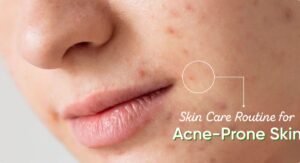
Glycolic acid skin care is commonly included in acne-prone routines because it helps prevent the buildup of dead skin cells that can clog pores and contribute to breakouts. While it does not directly target acne-causing bacteria, it creates a cleaner skin environment that reduces the likelihood of congestion forming in the first place.
- Helps reduce clogged pores and buildup
- Improves overall skin texture over time
- Enhances absorption of acne treatments
- Helps fade post-acne marks gradually
- Supports more even skin renewal cycle
Because acne-prone skin can often be more sensitive or reactive, glycolic acid skin care should be introduced slowly. Overuse or overly frequent application can lead to irritation, which may temporarily worsen the appearance of breakouts instead of improving them. When properly balanced with hydration and barrier-supporting ingredients, glycolic acid skin care becomes a valuable supportive step in acne management. It helps maintain clearer pores and smoother texture without relying on overly harsh or drying treatments.
6. Glycolic Acid Skin Care for Anti-Aging Support
As skin ages, the natural cell turnover process slows down, leading to dullness, fine lines, and uneven texture. Glycolic acid skin care helps counter these changes by encouraging faster and more consistent renewal of the skin surface. This leads to a fresher, more refined appearance over time.
While glycolic acid skin care does not physically remove wrinkles, it improves how light interacts with the skin, which can soften the visible appearance of fine lines. This optical smoothing effect often makes the skin look more youthful and rested.
In addition, consistent exfoliation supports overall skin function, which may indirectly encourage healthier-looking skin structure. When paired with hydration, glycolic acid skin care helps maintain firmness and elasticity, contributing to a more balanced and rejuvenated appearance.
7. How to Layer Glycolic Acid Skin Care Correctly
Proper layering is essential when using glycolic acid skin care because the order in which products are applied directly affects both performance and skin comfort. This ingredient works best when it is applied on clean, completely dry skin right after cleansing, since any leftover moisture or residue can dilute its strength and reduce how evenly it interacts with the skin surface. When applied correctly, glycolic acid skin care is able to target dead skin buildup efficiently, allowing the exfoliation process to begin without interference from heavier formulations that might block absorption or slow its activity.
Best Order for Glycolic Acid Skin Care Application
A well-structured routine usually follows a simple but effective sequence: cleanser first, followed by glycolic acid skin care, then a hydrating serum, a moisturizer, and finally sunscreen during daytime use. This order ensures that glycolic acid skin care is able to perform its primary exfoliating function directly on the skin, while the subsequent layers help restore hydration and reinforce the barrier. Serums placed after exfoliation penetrate more effectively because the skin surface is freshly renewed, and moisturizers then lock in that hydration, preventing dryness or imbalance. Sunscreen becomes especially important during daytime use because exfoliated skin is more vulnerable to environmental exposure, making protection a critical final step in maintaining results.
8. Glycolic Acid Skin Care and Skin Sensitivity Management
Skin sensitivity varies widely from person to person, and glycolic acid skin care can produce different reactions depending on the strength of the formula and how frequently it is used. In the early stages of use, a mild tingling sensation is quite common, and this is usually a sign that the skin is adjusting to increased cell turnover rather than a cause for concern. However, irritation typically appears when glycolic acid skin care is overused or layered too aggressively with other active ingredients, which can temporarily weaken the skin barrier and lead to redness or dryness.
As the skin gradually builds tolerance, spacing out applications becomes one of the most effective ways to maintain balance. Instead of daily use from the beginning, alternating nights or using the product a few times per week allows the skin to adapt naturally without stress. Pairing glycolic acid skin care with calming ingredients such as aloe vera, ceramides, or panthenol further supports barrier recovery and helps reduce any potential discomfort. Over time, this balanced approach allows the skin to benefit from exfoliation while maintaining stability and resilience.
9. Glycolic Acid Skin Care for Dry and Dehydrated Skin
Dry and dehydrated skin types can still benefit significantly from glycolic acid skin care when it is introduced with care and proper hydration support. One of the key advantages of this ingredient is its ability to remove layers of flaky, compacted dead skin cells that often prevent moisturizers from absorbing effectively. Once this surface buildup is cleared, hydrating ingredients can penetrate more deeply and work more efficiently, improving overall softness and comfort.
However, hydration must always be paired with exfoliation in order to maintain balance. Without sufficient moisture support, glycolic acid skin care can make dryness feel more pronounced rather than improving it. This is why combining exfoliation with rich moisturizers, humectant serums, and barrier-repairing ingredients is essential for achieving healthy results. Over time, when used correctly, glycolic acid skin care helps refine rough texture and improves the skin’s ability to retain moisture, leading to a smoother, more comfortable surface that feels less tight and more resilient.
| Aspect | How Glycolic Acid Skin Care Helps | What to Watch For |
| Flaky skin buildup | Glycolic acid skin care gently removes dead surface cells that make skin look rough and uneven | Overuse can increase dryness if barrier isn’t supported |
| Moisturizer absorption | By clearing surface buildup, glycolic acid skin care allows serums and creams to penetrate more effectively | Skipping moisturizer reduces benefits and increases tightness |
| Skin smoothness | Regular use improves texture, making dry patches less visible over time | Too frequent use may cause temporary sensitivity |
| Hydration balance | Works best when paired with hydrating ingredients to restore softness | Using alone without hydration can worsen dehydration |
| Overall comfort | Glycolic acid skin care helps reduce dull, tight feeling by refining surface texture | Needs sunscreen and barrier support for safe long-term use |
10. Common Mistakes in Glycolic Acid Skin Care Routines
One of the most common mistakes people make with glycolic acid skin care is assuming that more frequent or higher-strength use will lead to faster results. In reality, overuse often causes irritation, barrier disruption, and increased sensitivity, which can slow down progress instead of improving it. Another major mistake is skipping sunscreen, which significantly reduces the effectiveness of glycolic acid skin care because exfoliated skin becomes more vulnerable to UV damage, potentially leading to dark spots or uneven tone.
Mixing glycolic acid skin care with multiple other exfoliating acids or active ingredients at the same time is also a frequent error. This combination can overwhelm the skin and compromise its natural barrier, resulting in redness or flaking. A slower, more structured approach consistently delivers better long-term outcomes. Allowing the skin time to adjust and focusing on hydration alongside exfoliation creates a healthier environment for visible improvement without unnecessary stress or damage.
11. Seasonal Adjustments in Glycolic Acid Use

Skin behavior changes noticeably with the seasons, so routines need to shift along with it. During colder months, low humidity and harsh winds strip moisture from the skin more quickly, making it prone to dryness and sensitivity. In this period, reducing exfoliation frequency helps the skin barrier stay stable and prevents unnecessary irritation. The focus should lean more toward hydration and barrier repair, while exfoliation is kept minimal and intentional rather than frequent.
In warmer months, skin tends to produce more oil and accumulate environmental buildup, which can make it look dull or congested. Controlled exfoliation becomes more helpful during this time, supporting a clearer and smoother surface. Even then, sunscreen remains non-negotiable year-round, especially after exfoliation, since fresh skin is more vulnerable to UV damage. Adjusting usage based on climate keeps the skin balanced, comfortable, and less reactive throughout the year.
12. Glycolic Acid and Makeup Performance
Makeup often behaves better on skin that has a consistently smooth surface. Regular exfoliation helps reduce rough patches, uneven texture, and buildup that can interfere with how foundation sits on the skin. As the surface becomes more refined, makeup spreads more evenly and blends with less effort, creating a more natural finish without needing heavier coverage.
When the skin is well-prepped, products like foundation, concealer, and powder adhere more uniformly and are less likely to cling to dry areas or emphasize texture. This leads to a softer, more polished look that lasts longer throughout the day. Over time, improved skin smoothness and hydration balance can even reduce the need for full coverage products, allowing for lighter, more breathable makeup application overall.
13. Expert Tips for Better Results
The most reliable results come from consistency rather than intensity. Introducing active exfoliation gradually allows the skin to adapt without unnecessary stress, while avoiding multiple strong actives in the same routine helps maintain barrier health. Daily sun protection is essential because freshly exfoliated skin becomes more sensitive to environmental exposure, and skipping sunscreen can quickly undo progress.
Hydration should always remain part of the routine, not an optional step. Supporting the skin with moisturizers and soothing ingredients helps maintain balance and prevents dryness or irritation. Keeping routines simple and predictable usually delivers better long-term results than constantly switching products or increasing usage too quickly.
14. Long-Term Effects of Regular Use
With consistent use over time, the skin gradually becomes smoother, more even in tone, and visibly more refined. These improvements don’t happen overnight but build slowly as the skin’s natural renewal cycle becomes more efficient and surface buildup is regularly cleared away. The complexion begins to look clearer and more balanced, with fewer areas of rough texture or dullness.
Another long-term benefit is improved compatibility with other skincare products. When the skin surface is more even, serums and moisturizers absorb more effectively, making the entire routine more efficient. Instead of focusing on fast transformation, the results are cumulative, creating steady improvements in clarity, texture, and overall skin quality.
15. Future of Exfoliating Skincare in Modern Routines
Modern skincare is moving toward gentler, more balanced formulations that prioritize long-term skin health over aggressive resurfacing. New product technologies are being designed to deliver exfoliation in a more controlled way, reducing the risk of irritation while maintaining visible benefits. This shift reflects a growing understanding that skin responds better to consistency and support rather than harsh or frequent treatment.
The future of exfoliating routines is focused on combination care—pairing renewal with barrier protection. Instead of treating exfoliation as a standalone step, it is increasingly integrated into routines that also emphasize hydration, repair, and protection. This balanced approach makes results more sustainable and suitable for a wider range of skin types over time.
Conclusion
Glycolic acid skin care remains a powerful and reliable approach for improving texture, tone, and overall skin clarity when used with balance and consistency. It works gradually with the skin’s natural renewal cycle, offering long-term refinement rather than instant transformation. With proper care, hydration, and sun protection, it supports healthier, smoother, and more radiant-looking skin.
Frequently Asked Questions About Glycolic Acid Skin Care
1. How often should I use glycolic acid skin care?
Begin with 2–3 times per week so your skin has time to adjust without stress or irritation. This slow introduction helps the barrier stay stable while still allowing visible exfoliation benefits. Once your skin builds tolerance, you can slightly increase frequency, but daily use is rarely necessary for most skin types.
2. Can glycolic acid skin care cause purging?
Yes, glycolic acid skin care can trigger temporary purging because it speeds up cell turnover and brings underlying congestion to the surface. This usually shows up as small breakouts in areas you normally experience acne. The phase is temporary and typically settles within a few weeks with consistent use.
3. Is glycolic acid skin care safe for sensitive skin?
It can be safe for sensitive skin when introduced carefully and at a lower strength. The key is to start slowly, using it only a few times per week to reduce the risk of irritation. Pairing it with soothing, hydrating products helps maintain comfort and barrier balance.
4. Can I use glycolic acid skin care with retinol?
It’s best not to use glycolic acid skin care and retinol at the same time, as both are active ingredients that increase cell turnover. Using them together can overload the skin and lead to redness or peeling. Alternating them on different nights is a safer and more effective approach.
5. Does glycolic acid skin care help acne scars?
Glycolic acid skin care may help fade mild post-acne marks by encouraging faster skin renewal. As newer skin cells come to the surface, discoloration gradually becomes less noticeable. However, deeper scars may require additional targeted treatments for significant improvement.
6. Should I use sunscreen with glycolic acid skin care?
Yes, sunscreen is absolutely essential when using glycolic acid skin care because exfoliated skin becomes more sensitive to UV exposure. Without protection, the risk of dark spots and irritation increases significantly. Daily sunscreen use helps preserve results and protect skin health.
7. How long before I see results?
Most people begin noticing improvements within 3–6 weeks of consistent glycolic acid skin care use. Early changes often include smoother texture and brighter skin. More noticeable improvements in tone and clarity develop gradually with continued use over time.
8. Can I use glycolic acid skin care daily?
Daily use is only suitable for highly tolerant skin that has already adapted to acids over time. For most people, daily application can lead to dryness or irritation. Spaced usage usually delivers better, more sustainable results without stressing the skin barrier.
9. What should I avoid with glycolic acid skin care?
Avoid combining glycolic acid skin care with multiple strong exfoliants, as this can damage the skin barrier and cause sensitivity. Skipping sunscreen is another major mistake that reduces results and increases risk of pigmentation. Overusing the product should also be avoided to maintain healthy skin balance.
Summary
Glycolic acid skin care improves skin brightness, texture, and tone through controlled exfoliation. It enhances routine effectiveness, supports smoother skin, and reduces dullness over time. With consistent use and proper layering, it delivers long-term skin refinement and a clearer, more even complexion.