
I ignored the pink in my sink for months, thinking I was just brushing too hard. When I finally saw a dentist for bleeding gums, I learned it was early gingivitis, and a simple deep clean fixed it. I only wish I hadn’t waited so long.
Bleeding gums are never something to ignore. Learn the causes, when to see a dentist for bleeding gums, and what treatment looks like.
Stay tuned with us! Next, we’ll talk about finding a dentist for bleeding gums and keeping your gums healthy.
Why Do Gums Bleed?
Healthy gums don’t bleed easily. When they do, the usual culprit is plaque, the sticky film of bacteria that collects along the gumline. If it isn’t cleaned away, it irritates the tissue, which becomes swollen, tender and quick to bleed.
Other common causes include:
- Brushing too hard or using a stiff-bristled toothbrush
- Starting a new flossing habit after a long break
- Hormonal changes, such as pregnancy or menopause
- Blood-thinning medication
- Low vitamin C or vitamin K levels
- Smoking, diabetes or high stress
Sometimes the cause is simple, like a rougher brushing technique. But you can’t always tell from the outside, which is why a professional check matters.
When Should You See a Dentist for Bleeding Gums?
A little bleeding in the first week or two of regular flossing can be normal. Book an appointment if you notice any of these:
- Bleeding that continues for more than 7 to 10 days
- Red, puffy or tender gums
- Bad breath or a bad taste that won’t go away
- Gums pulling back from your teeth
- Teeth that feel loose or look longer than before
- Pus or pain around the gums
If bleeding is heavy or won’t stop, seek urgent care straight away.
What Happens at the Dentist?
Many people put off the visit because they’re nervous about what it involves. In reality, it’s usually straightforward and comfortable.
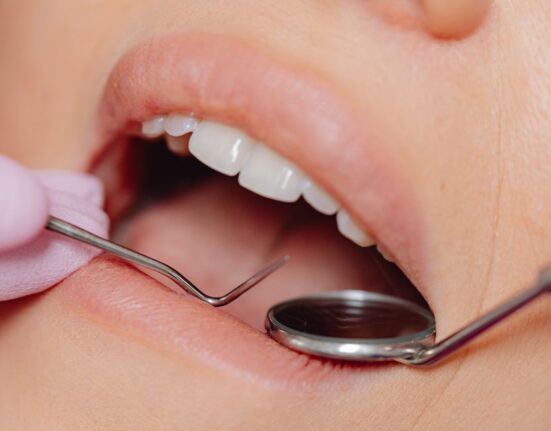
- A gentle examination. Your dentist checks your gums, teeth and bite, and asks about your health history and medications.
- Gum measurements. A small, blunt probe measures the space between your gums and teeth. Deeper pockets can signal gum disease.
- X-rays if needed. These show whether the bone supporting your teeth has been affected.
- Professional cleaning. Hardened plaque, called tartar, can’t be removed at home. A scale and polish clears it away, and for many people with mild problems, that is enough to stop the bleeding.
- Personalised advice. You’ll get tips on brushing technique, flossing and products that suit your mouth.
Gingivitis vs. Periodontitis
Most bleeding gums come down to one of two conditions.
Gingivitis is the early stage of gum disease. Gums are red, puffy and bleed easily, but the bone is still intact. The good news is that gingivitis is fully reversible with professional cleaning and better daily habits.
Periodontitis is the advanced stage. The infection spreads below the gumline and begins to damage the bone that holds your teeth in place. Left untreated, it can lead to tooth loss. Treatment usually involves a deep cleaning known as scaling and root planing, sometimes followed by regular maintenance visits.
The earlier you see a dentist, the simpler and cheaper treatment tends to be.
Which Dentist Should You See?

Start with your regular general dentist. They can diagnose most gum problems and treat early-stage disease. If your case is more advanced, they may refer you to a periodontist, a specialist in gum health and the structures supporting your teeth.
When choosing a dentist, look for one who explains things clearly, offers thorough gum assessments and makes you feel comfortable asking questions. Reviews from other patients are a helpful guide.
What You Can Do at Home
Professional care works best alongside good daily habits. In the meantime:
- Brush twice a day with a soft-bristled brush, using gentle circular motions along the gumline.
- Floss daily. Be gentle and curve the floss around each tooth. Bleeding should ease within a couple of weeks.
- Rinse with warm salt water to soothe irritated gums.
- Eat well. Fruits, vegetables and foods rich in vitamin C support gum health.
- Quit smoking. It’s one of the biggest risk factors for gum disease and can hide the warning signs.
- Limit sugary snacks and drinks, which feed plaque bacteria.
Avoid the temptation to stop brushing or flossing around the sore area. Skipping it lets plaque build up and makes bleeding worse.
FAQ’s
1- Is it normal for gums to bleed when I floss?
Light bleeding can happen when you first start, but it should improve within one to two weeks. If it doesn’t, see a dentist.
2- Can bleeding gums heal on their own?
If the cause is mild plaque buildup, better brushing and flossing may help. But if tartar is present or gum disease has started, professional treatment is needed.
3- Is dental cleaning painful when my gums are bleeding?
Your gums may feel tender, but dentists use gentle techniques and can numb the area if needed. Most people are surprised by how easy it is.
4- How often should I visit the dentist?
Most people benefit from a check-up and cleaning every six months. If you have gum disease, your dentist may suggest more frequent visits.
Conclusion
Bleeding gums are a signal, not something to ignore. Visiting a dentist early can reverse gum problems, protect your teeth, and support your overall health. Pair professional care with gentle daily brushing and flossing, and don’t wait for pain. Book your appointment today.