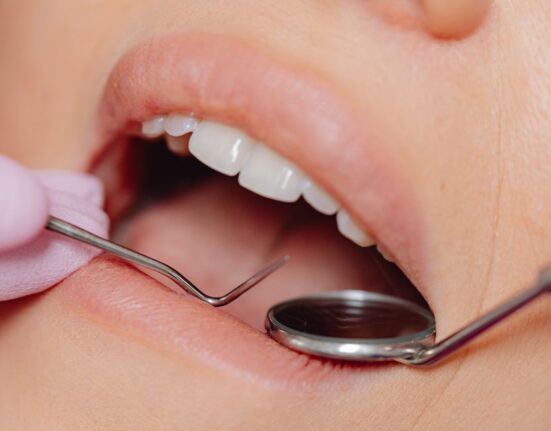

For years I smiled with my lips closed because of my chipped, stained front teeth. A coworker recommended her cosmetic dentist for veneers, and I booked a consultation, nervous but curious. Seeing my new smile for the first time made me tear up, and now I can’t stop smiling in photos.
A cosmetic dentist for veneers is a dentist with advanced training in designing and placing thin porcelain or composite shells that fix stains, chips, gaps, and uneven teeth. To find the right one, review their before-and-after photos, ask about materials, and compare written cost estimates. Book a consultation first to preview your results and make sure you feel comfortable with the team.
Stay tuned! Our next post covers how to find the right cosmetic dentist for veneers. If you’ve been hiding your smile, don’t miss it!
What Are Veneers, Exactly?
Veneers are thin shells, usually made of porcelain or composite resin, that bond to the front of your teeth. They can fix:
- Stains that whitening can’t remove
- Chips and small cracks
- Gaps between teeth
- Slightly crooked or uneven teeth
- Teeth that look too short or worn
Think of them as a custom-made finish for your smile. Done well, they look natural and last for years.
1. Look at Training and Experience
Veneers are part science and part art. The best cosmetic dentist for veneers has advanced cosmetic training and has placed hundreds of veneers. Ask how many cases they do each year and what continuing education they’ve completed.
2. Study the Before-and-After Photos
Any cosmetic dentist for veneers worth your time will happily show you a portfolio. Look for results on patients with problems similar to yours. Natural-looking edges, realistic color, and teeth that suit each face are good signs. If every smile looks identical and overly white, keep looking.
3. Ask About Materials
Porcelain veneers are more stain-resistant and often last 10 to 15 years or more. Composite veneers cost less and can be done faster, but they may wear sooner. Ask which one suits your goals and budget, and why.
4. Book a Consultation First
A good cosmetic dentist for veneers will begin with a conversation, not a sales pitch. Expect them to:
- Examine your teeth, gums, and bite
- Discuss what you want to change
- Explain how much enamel, if any, will be removed
- Preview the results with a digital mockup or temporary try-in
If you feel rushed or pressured, that’s your cue to look elsewhere.
5. Understand the Costs Up Front
Veneer prices vary widely by material, number of teeth, and location. Dental insurance rarely covers veneers because they’re considered cosmetic. When comparing each cosmetic dentist for veneers, ask for a written estimate and find out whether financing or payment plans are available. Be careful with unusually cheap offers, because quality materials and lab work cost money.
6. Read Real Patient Reviews
Look beyond star ratings and read what patients actually say. Words like “gentle,” “listened,” and “natural-looking” tell you more than a perfect score. Also pay attention to how the office handles problems when something needs adjusting.
7. Think About Comfort
Veneer treatment usually takes two or more visits. If dental anxiety is a concern, ask whether the office offers sedation options. A caring team will make the process far less stressful.
What to Expect After Treatment
Your new veneers should feel comfortable within a few days. Your cosmetic dentist for veneers will also explain how to look after them:
- Brush twice a day and floss daily
- Avoid biting hard objects like ice or pen caps
- Limit heavy staining drinks such as coffee and red wine
- Wear a night guard if you grind your teeth
- Keep up regular checkups and cleanings
Frequently Asked Questions (FAQs)
1. How long do veneers last?
Porcelain veneers often last 10 to 15 years or longer with good care, while composite veneers usually last 5 to 7 years.
2. Are veneers painful?
Most patients feel little to no pain. Your dentist may use a local anesthetic, and mild sensitivity can occur for a few days afterward.
3. Do veneers damage natural teeth?
Traditional veneers require removing a thin layer of enamel, which is permanent. Your dentist can explain whether a minimal-prep option is right for you.
4. Can anyone get veneers?
Not always. Healthy gums and teeth are important, and untreated decay, gum disease, or heavy teeth grinding may need attention first.
5. How do I find the right cosmetic dentist for veneers?
Check training and portfolios, read patient reviews, compare written estimates, and book a consultation to see if you feel comfortable with the team.
Conclusion
A beautiful smile starts with the right partner. Take your time, compare a few offices, and trust your gut during the consultation. When you find a cosmetic dentist for veneers who listens, explains clearly, and shows great results, you’ll know. Your future smile is worth the research.