I remember helping a family member after a tooth extraction when severe pain suddenly appeared days later. Finding the right dental care quickly made a huge difference. The dentist explained the problem clearly and provided treatment that helped recovery.
Dry socket can turn a normal tooth extraction recovery into an uncomfortable experience. Many people don’t know what causes it, how to recognize symptoms, or when professional help is needed. Getting proper guidance early can protect healing and reduce unnecessary pain.
Find expert advice on dentist for dry socket treatment, symptoms, causes, prevention, recovery tips, and when to seek dental care.
Understanding Dry Socket After Tooth Extraction
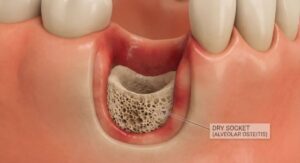
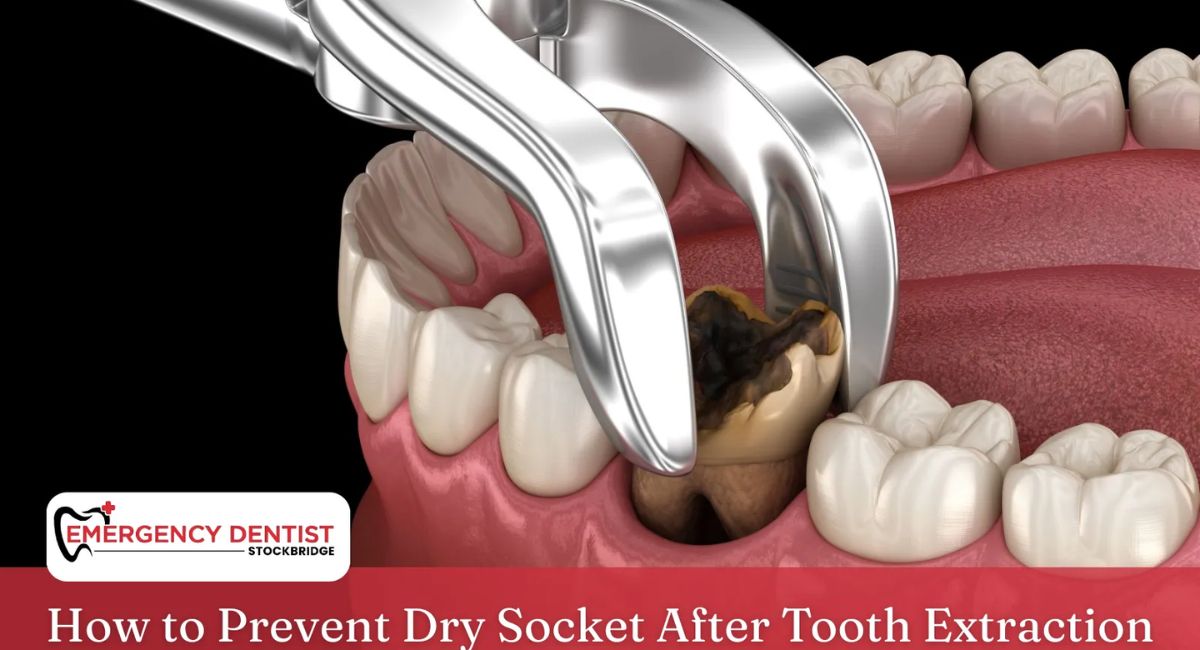
Dry socket is a painful dental condition that can happen after a tooth extraction when the protective blood clot at the extraction site becomes lost or fails to develop properly. This clot normally acts like a natural barrier, covering the bone and nerves underneath while the area heals. Without that protection, the exposed tissues can become sensitive, leading to intense discomfort. Many people expect some soreness after removing a tooth, but dry socket pain feels different. Instead of slowly improving, the pain may become stronger a few days after extraction. It can spread toward the ear, jaw, temple, or nearby teeth.
Bad breath or an unpleasant taste may also appear. A dentist for dry socket understands how to identify this problem and provide targeted care. The condition is more common after wisdom tooth removal, but it can happen after other extractions too. Smoking, poor aftercare, difficult extractions, and certain health factors may increase the risk. Recognizing the signs early allows treatment to begin sooner. While dry socket is not usually a permanent problem, delaying care can make the recovery period longer and more uncomfortable.
Common Signs You May Need Dental Treatment
After an extraction, some discomfort is expected. However, certain symptoms suggest that the healing process may not be going normally. The most noticeable warning sign is increasing pain that appears two to five days after the tooth removal. Normal extraction soreness usually improves gradually, but dry socket pain often becomes sharper and more persistent. Many patients describe the discomfort as deep, throbbing, or difficult to control with regular pain medicine. The pain may travel from the extraction area into the jaw, ear, or side of the face. Other signs include an empty-looking socket, visible bone, unpleasant breath, or a strange taste in the mouth.
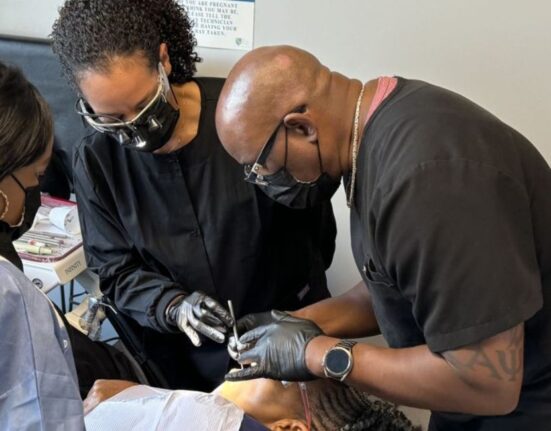
Proper Examination A dentist for dry socket can check the extraction area, identify whether the blood clot is missing, and determine if another issue such as infection or trapped food is causing the discomfort.
Quick Dental Care Getting professional attention early can reduce pain, prevent longer discomfort, and support a smoother healing process.
Why Dry Socket Happens During Recovery
Dry socket develops when the blood clot protecting the extraction area is disturbed. Understanding the causes can help patients avoid behaviors that interfere with healing. After a tooth is removed, the body creates a clot that supports tissue repair. If this clot breaks down too soon, the underlying nerves and bone may become exposed. Several factors can contribute to this condition. Smoking is one of the biggest risks because suction and chemicals from tobacco can affect clot formation. Drinking through a straw, aggressive rinsing, or forceful spitting can also create pressure that removes the clot.
Some extractions are naturally more challenging. Wisdom teeth, especially impacted ones, may leave a larger wound that requires more time to heal. Poor oral hygiene around the area can also slow recovery. A dentist for dry socket looks at the complete situation, including extraction history, symptoms, and healing progress. Treatment is focused on reducing pain and supporting the body’s natural recovery process.
How Lifestyle Choices Affect Healing
Daily habits after extraction play a major role in protecting the healing site. Simple actions can either support recovery or increase the chance of complications. Smoking delays healing because nicotine reduces blood flow to the tissues. Even a small amount of suction from cigarettes or vaping can disturb the clot. Alcohol may also interfere with recovery, especially when combined with certain medications.
Food choices matter as well. Hard, crunchy, or sharp foods can irritate the extraction area. Soft foods allow the mouth to heal without unnecessary pressure. Maintaining gentle oral care keeps bacteria levels controlled without disturbing the sensitive area. Following the dentist’s instructions after extraction is one of the best ways to avoid problems. Careful habits during the first few days often determine how smoothly the recovery goes.
How a Dentist Diagnoses Dry Socket
Diagnosis usually begins with a conversation about symptoms and timing. A dentist will ask when the extraction happened, when the pain started, and whether the discomfort has improved or become worse. These details help separate normal healing from possible dry socket. During the examination, the dentist checks the extraction area carefully. They may look for signs such as an empty socket, exposed bone, missing blood clot, swelling, or irritation. The location and appearance of the wound often provide important clues.
A dentist for dry socket has experience recognizing the difference between expected recovery and complications. This helps patients avoid unnecessary worry and receive appropriate care. Many cases can be managed with simple dental treatment designed to protect the area and reduce pain. Seeking professional help is especially important when pain becomes severe or continues despite home care. Quick assessment usually leads to faster comfort and better healing.
Treatment Options Provided By Dental Professionals
Treatment for dry socket focuses on reducing pain, protecting the exposed area, and allowing natural healing to continue. The approach depends on the severity of symptoms and the condition of the extraction site. A dental professional may clean the area gently to remove trapped particles or debris. This helps create a cleaner environment for healing. A medicated dressing may also be placed inside the socket to cover sensitive tissues and provide relief.
Common treatment approaches include:
- Cleaning the extraction site removes debris and supports a healthier healing environment.
- Medicated dressing placement helps protect exposed nerves and reduce discomfort.
- Pain management guidance provides safe ways to control symptoms during recovery.
- Follow-up examinations allow the dentist to monitor healing progress.
- Aftercare instructions help prevent further irritation and support recovery.
A dentist for dry socket provides care based on each patient’s needs. Treatment usually does not require major procedures, but professional support can greatly improve comfort. Many people notice relief soon after proper care begins.
Recovery Process After Dry Socket Treatment
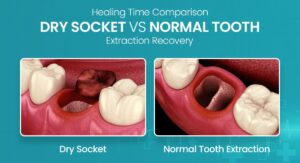
Recovery after dry socket treatment usually depends on how quickly the condition is addressed and how well the patient follows aftercare instructions. Once the extraction area is protected and irritation is reduced, the body can continue its normal healing process. Most people notice that severe pain gradually decreases after professional treatment. The healing timeline varies from person to person. Some patients feel improvement within a short period, while others may need several days before they feel completely comfortable. The extraction area still needs time to rebuild healthy tissue, so protecting the site remains important.
A dentist for dry socket often recommends gentle care practices during recovery. Patients may need to avoid smoking, avoid disturbing the area with fingers or objects, and follow recommended cleaning methods. Maintaining good oral hygiene without aggressive brushing near the extraction site supports healing. It’s also important to pay attention to changes during recovery. Increasing swelling, fever, or worsening discomfort may indicate another issue that requires evaluation. Following professional advice helps prevent setbacks and encourages a smoother recovery experience. Dry socket treatment does not instantly rebuild the area, but it provides the protection and support needed for the mouth to heal properly.
Preventing Dry Socket Before It Starts
Preventing dry socket begins immediately after tooth extraction. The first few days are especially important because the blood clot needs time to become stable. Simple care habits can significantly reduce the chance of complications. Patients should avoid actions that create pressure inside the mouth. Strong rinsing, forceful spitting, and drinking through a straw may disturb the healing area. Choosing softer foods and chewing away from the extraction site can also protect the wound.
| Step | Prevention Advice | Benefit During Recovery |
| Protect the blood clot | Avoid touching or disturbing the extraction area | Helps maintain natural protection over nerves and bone |
| Choose safe foods | Eat soft and easy-to-chew meals | Reduces pressure on the healing socket |
| Control mouth pressure | Avoid strong spitting and aggressive rinsing | Prevents clot movement and irritation |
| Keep the mouth clean | Brush carefully around the area | Supports a healthier healing environment |
| Limit harmful habits | Stay away from tobacco products | Improves blood flow and tissue repair |
| Rest properly | Avoid heavy physical activity after extraction | Allows the body to focus on healing |
Keeping the mouth clean is another important part of prevention. Gentle rinsing when advised and careful brushing around the area can reduce bacteria without harming the clot. Following the dentist’s instructions after extraction gives the body the best opportunity to heal naturally. A dentist for dry socket may also provide personalized advice based on the type of extraction performed. Wisdom tooth removal, difficult extractions, and certain health conditions may require extra attention.
Daily Habits That Support Oral Healing
Healing depends not only on dental treatment but also on daily choices. Small adjustments can make the recovery process easier and more comfortable. Avoiding tobacco is one of the strongest protective steps. Smoking reduces oxygen supply and can interfere with tissue repair. Staying hydrated and choosing nutritious foods can support the body’s healing response.
Patients should also avoid touching the extraction area. Even a clean finger or tongue can accidentally disturb the developing tissue. Rest is helpful too, especially during the first days after surgery. Good recovery habits create the right environment for healing. When patients combine professional dental care with responsible aftercare, they lower the chance of complications and improve their overall experience after extraction.
Choosing the Right Dental Care for Severe Pain
When extraction pain becomes intense, choosing proper dental care quickly matters. Many people wait because they assume discomfort is normal, but severe or increasing pain deserves attention. The right dental professional can identify the problem and provide appropriate treatment. A reliable dental provider considers the patient’s symptoms, medical history, and extraction details before recommending care. They don’t simply treat the pain; they look for the reason behind it. This approach helps prevent repeated discomfort and supports long-term oral health.
A dentist for dry socket has specific knowledge about extraction complications and understands how to manage exposed tissues and healing problems. Their experience allows them to recognize symptoms that may be difficult for patients to identify themselves. Comfort, communication, and proper evaluation are important when choosing dental care. Patients should feel informed about what is happening and what steps are needed next. Clear instructions make recovery less stressful. Getting professional attention early often leads to better results. Delaying treatment can allow pain to continue unnecessarily, while timely care helps restore comfort and normal healing.
Home Care Mistakes That Can Delay Healing

Many patients try to manage extraction discomfort at home, but some common mistakes can slow recovery. Understanding what to avoid is just as important as knowing what to do. One frequent mistake is aggressively cleaning the extraction area. While keeping the mouth clean matters, too much pressure can disturb healing tissues. Another problem is returning too quickly to normal activities that place stress on the mouth.
A dentist for dry socket can explain safe home care steps and help patients avoid actions that increase discomfort. Professional guidance prevents small mistakes from becoming bigger problems.Healing requires patience. The extraction area needs time to repair itself naturally. Supporting that process through careful habits allows the body to recover more efficiently and reduces the chance of prolonged pain.
Expert Tips for Using Proper Dry Socket Care Methods
After extraction, following expert recommendations can make recovery smoother and reduce the risk of complications. Dental professionals often focus on protecting the extraction site while allowing natural healing to happen.
Important care tips include:
Follow all post-extraction instructions- Professional advice is designed around your specific dental procedure.
Keep the mouth gently clean- Cleanliness helps control bacteria without disturbing healing tissues.
Avoid pressure on the extraction area- Actions like using straws can affect clot stability.
Choose recovery-friendly foods- Soft foods reduce irritation during early healing.
Monitor symptoms carefully- Changes in pain or swelling should be discussed with a dental professional.
A dentist for dry socket encourages patients to treat recovery as an active process. The choices made during the first days after extraction can influence comfort and healing speed. Good aftercare is not complicated, but consistency matters. Patients who protect the area and respond quickly to warning signs usually have a smoother recovery. Dental support combined with careful daily habits creates the best environment for healing.
Understanding Pain Relief During Dry Socket Recovery
Pain relief is one of the main reasons people seek professional dental care after developing dry socket. The discomfort can feel intense because the protective clot is missing and sensitive areas inside the extraction site may be exposed. Managing the pain properly helps patients rest, eat, and continue normal activities while healing takes place.
A dental professional may recommend different approaches depending on the condition of the extraction area. The goal is not only to reduce discomfort but also to protect the site so the body can repair the tissues naturally. Following medication instructions carefully is important because incorrect use can create additional problems.
Pain Relief Does Not Mean Complete Healing
Pain often improves after the extraction area receives proper care, but patients should remember that recovery is still ongoing. Feeling better is a positive sign, but the tissues underneath may still need time to repair and strengthen. The healing process continues even after discomfort becomes less noticeable.
How Long Dry Socket Usually Takes To Heal
The healing time for dry socket can vary depending on the extraction type, the patient’s overall health, and how quickly treatment begins. Some people experience noticeable improvement soon after receiving dental care, while others need more time before the area feels normal again. The body must rebuild tissue over the extraction site, which naturally takes time. Even when pain decreases, the area may still be sensitive during the healing process. Patients should continue following dental instructions until the site has recovered fully.
A dentist for dry socket can monitor healing and determine whether recovery is moving in the right direction. Follow-up care may be recommended when symptoms are severe or when the extraction was complicated. Several factors influence recovery speed, including oral hygiene, diet, smoking habits, and whether the area continues to be protected. Patients who avoid irritation and maintain proper care often experience a smoother recovery. Understanding the healing timeline helps people remain patient and avoid actions that could delay progress. Recovery is gradual, but proper support makes the process much easier.
When To Seek Emergency Dental Attention
Not every extraction problem requires emergency treatment, but some symptoms should never be ignored. Severe pain, sudden worsening symptoms, facial swelling, fever, or difficulty opening the mouth may indicate that professional evaluation is needed. Waiting too long can allow discomfort to continue and may make recovery more difficult. Many people delay care because they believe pain is simply part of healing, but unusual symptoms often deserve attention.
Warning Signs That Require Fast Action
Certain warning signs suggest that dental care should be arranged as soon as possible:
- Pain that becomes stronger instead of improving
- Severe discomfort spreading toward the ear or jaw
- Bad taste or strong odor from the extraction area
- Visible bone or an empty-looking socket
- Swelling that increases after several days
A dentist for dry socket can examine these symptoms and decide the right treatment approach. Early attention often means faster relief and a lower chance of prolonged discomfort. Dental emergencies are easier to manage when patients respond quickly. Listening to your body and seeking professional advice when something feels wrong can protect both comfort and oral health.
The Importance of Follow-Up Dental Visits

Follow-up appointments are an important part of recovery after extraction complications. Many patients assume that once pain decreases, no additional dental attention is needed. However, monitoring the healing process helps confirm that the area is recovering properly. During a follow-up visit, the dental professional can check the extraction site, review symptoms, and make sure healing is progressing. If any concerns appear, they can be addressed before they become larger problems.
A dentist for dry socket may recommend follow-up care depending on the severity of the condition. Patients who had difficult extractions or stronger symptoms may need closer observation. These visits also provide an opportunity to ask questions about brushing, eating habits, and returning to normal routines. Clear communication helps patients feel more confident during recovery. Preventive dental care is not only about treating problems after they occur. It also involves making sure the mouth returns to a healthy condition. Follow-up care supports that goal and helps protect future oral health
Maintaining Long-Term Oral Health After Recovery
Recovering from dry socket is only one part of maintaining strong oral health. Once the extraction area has healed, patients should focus on habits that protect their teeth and gums in the future. Regular brushing, flossing, and dental checkups help prevent infections and reduce the chance of needing additional extractions. A healthy mouth heals better and responds more effectively when dental procedures are needed.
A dentist for dry socket can also provide advice on protecting teeth after recovery. This may include improving cleaning routines, addressing untreated dental issues, and understanding personal risk factors. Long-term oral health depends on consistency. Small daily habits often have a bigger impact than occasional treatments. Protecting teeth, avoiding harmful behaviors, and attending routine dental visits can prevent many common problems.
Expert Tips For Using Proper Dry Socket Care
Taking care of your mouth after a tooth extraction plays an important role in preventing complications and supporting recovery. Dry socket usually happens when the protective blood clot at the extraction site becomes disturbed or does not form properly. Following careful habits during the healing period can lower the risk of pain and delays.
Protect The Healing Area
The extraction site needs time to develop new tissue and rebuild protection. Avoid touching the area with your fingers or repeatedly checking it with your tongue. These habits can disturb the healing process and may introduce bacteria. Strong rinsing, forceful spitting, and using straws can create pressure that affects the blood clot. Gentle care is the best approach during the early recovery stage. Following recommended cleaning methods helps keep the mouth fresh without causing irritation.
Choose Recovery-Friendly Daily Habits
Daily choices after extraction can influence how quickly the mouth heals. Smoking should be avoided because it can interfere with blood flow and slow tissue repair. Eating soft foods also reduces stress on the extraction area. Rest, hydration, and balanced nutrition support the body’s natural healing process. Patients should avoid hard, crunchy, or sticky foods that may disturb the sensitive site. A dentist for dry socket may also suggest specific habits based on the type of extraction and individual recovery needs.
Know When Professional Help Is Needed
Understanding when to seek dental care prevents unnecessary discomfort. If pain becomes stronger instead of improving, or if symptoms like bad taste, swelling, or severe tenderness appear, professional evaluation is important. A dentist for dry socket can examine the area, provide appropriate treatment, and guide the patient through recovery. Early attention often leads to faster relief and reduces the chance of prolonged problems. Being careful after extraction is not complicated, but consistency matters. Small protective steps can help the mouth heal properly and make the recovery experience much more comfortable.
FAQs – About Dentist For Dry Socket
1. What does a dentist do for dry sockets?
A dentist for dry socket examines the extraction area to determine whether the blood clot has been lost or healing has been interrupted. They check symptoms, clean the area if needed, and provide treatment that protects exposed tissues. Their main goal is to reduce pain and help the mouth continue healing naturally.
2. How do I know if I have a dry socket after extraction?
Dry socket often causes pain that becomes worse a few days after extraction instead of improving. The discomfort may spread toward the ear or jaw, and some people notice bad breath, an unpleasant taste, or an empty-looking extraction area. A dental examination is the best way to confirm the condition.
3. Can dry sockets heal without treatment?
Some mild cases may improve over time, but untreated dry socket can cause unnecessary discomfort and longer recovery. Professional care helps protect the extraction site and manage pain more effectively. A dentist can provide treatment that supports healing and reduces irritation.
Final Thought
Recovering from dry socket becomes much easier when you understand the signs, act early, and follow proper dental guidance. Ignoring severe extraction pain can make the healing process longer and more uncomfortable. Professional support, careful aftercare, and healthy oral habits work together to protect your mouth. If unusual pain appears after extraction, getting help from a qualified dental professional can provide comfort, prevent complications, and support a smoother recovery journey.