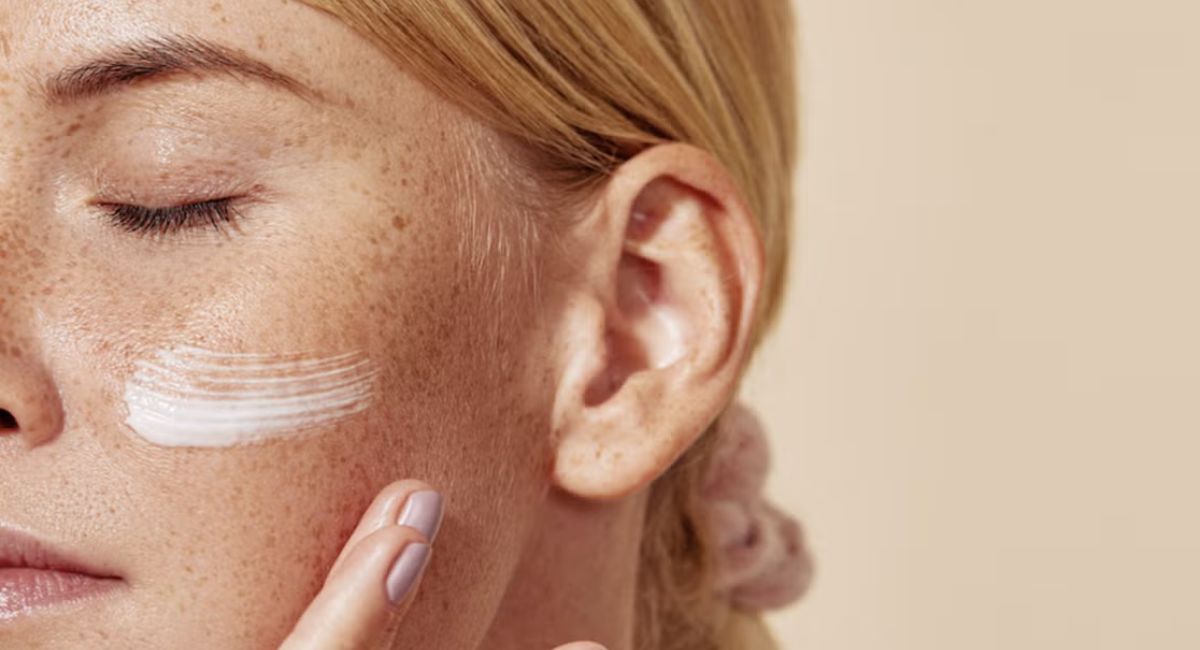
My skin used to flare constantly — redness, irritation, and unpredictable breakouts that never fully cleared. A dermatologist finally said two words that changed everything: anti inflammatory skin care. Within eight weeks of rebuilding my routine around calming ingredients, my skin looked and felt genuinely different.
If your skin stays red, reactive, or perpetually irritated no matter what you try, inflammation is almost certainly the root cause. This guide breaks down anti inflammatory skin care from the ground up — with real product knowledge and practical advice that actually works.
Explore the complete guide to anti inflammatory skin care — ingredients, routines, and expert tips for calm, healthy, visibly soothed skin.
Why Anti Inflammatory Skin Care Is the Skincare Reset You Need

Inflammation is one of the most misunderstood forces working against your skin every single day. Most people associate it with the visible red flare of a sunburn or an angry cystic breakout — but the truth is that inflammation operates on a much subtler level in most skin. Chronic, low-grade inflammation is at the root of a surprising number of skin concerns: uneven tone, premature aging, persistent dryness, sensitivity, and even accelerated collagen breakdown. Anti inflammatory skin care is the category of products and routines specifically designed to interrupt this cycle.
Rather than chasing surface-level results — brightening a dark spot, masking redness with tinted moisturizer — anti inflammatory approaches work at the level of the skin’s immune response, calming the triggers that cause ongoing damage before they progress. What makes this approach so compelling is its cross-cutting effectiveness. Whether your primary concern is rosacea, acne, eczema, hyperpigmentation, or just dull and tired-looking skin, reducing inflammation tends to improve outcomes across the board. It’s not a niche category for people with diagnosed skin conditions — it’s a foundational strategy that benefits virtually every skin type and age. Once you understand how inflammation drives so many skin problems, building a routine around calming and protective ingredients becomes the most logical skincare decision you can make.
Understanding Skin Inflammation – What’s Actually Happening
Before you can build an effective anti inflammatory skin care routine, it is important to understand what inflammation actually is, how it develops inside the skin, and why it plays such a major role in common skin concerns like acne, redness, sensitivity, premature aging, and uneven texture. Inflammation is the body’s natural immune response to a perceived threat, which may include bacteria, pollution, UV radiation, harsh skincare ingredients, allergens, emotional stress, or even excessive exfoliation.
When the skin detects one of these triggers, it releases inflammatory chemicals and signaling molecules called cytokines, which activate immune cells and increase blood flow to the affected area. This process is responsible for visible symptoms such as redness, swelling, heat, irritation, and discomfort. In small and controlled amounts, inflammation is actually beneficial because it helps repair wounds and defend the skin against damage, but long-term inflammation creates serious problems that gradually weaken the skin barrier and disrupt overall skin health. This is where anti inflammatory skin care becomes extremely important because it focuses on calming the skin, reducing irritation, and restoring balance instead of aggressively stripping or over-treating the skin.
One of the biggest reasons people struggle with chronic irritation is because modern lifestyles constantly expose the skin to inflammatory triggers without enough recovery time. UV exposure remains one of the most damaging causes of inflammation because it breaks down collagen, increases pigmentation, and weakens the skin’s protective barrier over time. Pollution, poor sleep, processed foods, stress, dehydration, and harsh cosmetic ingredients also contribute heavily to inflammation, which is why many dermatologists now recommend anti inflammatory skin care as the foundation of a healthy skincare routine rather than relying only on harsh treatment products. Many people un
Key Ingredients That Power Anti Inflammatory Skin Care
The Science Behind Calming Actives
The backbone of any effective anti inflammatory skin care routine is the ingredient list. Certain compounds have well-documented anti-inflammatory properties — studied in peer-reviewed research, validated in clinical settings, and shown to reduce specific inflammatory markers in skin tissue. Knowing which ones matter helps you cut through the noise in a market crowded with “soothing” claims.
Niacinamide is arguably the most versatile anti-inflammatory ingredient available in consumer skincare. A form of vitamin B3, niacinamide reduces the production of inflammatory cytokines, strengthens the skin barrier, reduces redness, and minimizes pore appearance — all without significant irritation risk. It’s suitable for almost all skin types and works well layered with other actives. Centella Asiatica (also called cica or gotu kola) has been used in traditional medicine for centuries and is now validated by modern dermatological research. Its active compounds — asiaticoside, madecassoside, and asiatic acid — have measurable anti-inflammatory, wound-healing, and collagen-stimulating effects. It’s particularly effective for sensitized or barrier-compromised skin.
Azelaic Acid reduces inflammation associated with acne and rosacea by inhibiting inflammatory pathways and reducing the activity of bacteria that trigger breakouts. It also addresses post-inflammatory hyperpigmentation without the irritation risk of stronger brighteners. Green Tea Extract (EGCG) is a potent antioxidant that neutralizes free radicals and inhibits inflammatory signaling at the cellular level. It also has mild antimicrobial properties, making it useful for acne-prone and reactive skin. Oat Extract (colloidal oatmeal) is FDA-recognized as a skin protectant. Beta-glucans in oats inhibit inflammatory enzymes and provide immediate soothing relief for irritated, itchy, or eczema-prone skin.
Building Your Morning Anti Inflammatory Skin Care Routine
A well-designed morning anti inflammatory skin care routine does two things simultaneously: it calms existing inflammation and it protects the skin from the inflammatory triggers it will face throughout the day. UV radiation is the single most significant daily driver of skin inflammation, which makes SPF the non-negotiable anchor of any morning protocol.
Start with a gentle, non-stripping cleanser. Foaming cleansers with sulfates are a common hidden source of skin inflammation — they strip the natural lipid barrier, triggering a compensatory inflammatory response. Look for cream or gel cleansers with a skin-compatible pH and no synthetic fragrance. Brands like La Roche-Posay, Vanicream, and CeraVe formulate effective cleansers specifically designed not to disrupt the barrier. After cleansing, apply your primary anti-inflammatory active — niacinamide serum, a centella asiatica essence, or a green tea antioxidant serum. This step addresses inflammation while your skin is clean and its absorption is optimal.
Follow with a barrier-supporting moisturizer containing ceramides, fatty acids, and humectants. The skin barrier is your front-line defense against environmental inflammation triggers — a well-hydrated, intact barrier keeps irritants out and moisture in. Finish with a mineral or hybrid broad-spectrum SPF 30 or higher. Mineral sunscreens containing zinc oxide are particularly well-suited to anti inflammatory skin care routines because zinc itself has documented anti-inflammatory properties and is less likely to cause sensitization than chemical UV filters. This five-minute morning routine forms a meaningful defense against the inflammatory forces your skin encounters every day.
Top 5 Anti Inflammatory Skin Care Products That Deliver Real Results

La Roche-Posay Toleriane Double Repair Face Moisturizer — A dermatologist staple that combines ceramides, niacinamide, and glycerin to repair the skin barrier and reduce the inflammatory sensitivity that comes with a compromised barrier. Fragrance-free, non-comedogenic, and suitable for the most reactive skin types.
Paula’s Choice 10% Niacinamide Booster — A concentrated niacinamide serum that reduces redness, evens tone, and strengthens barrier function. Clinically studied and free of fragrance, essential oils, and other common irritants. Can be mixed with a moisturizer or used alone as a serum step.
Purito Centella Unscented Serum — A fragrance-free centella asiatica serum with 49% centella extract that delivers meaningful calming and barrier support for sensitized or post-procedure skin. Lightweight texture, minimal ingredient list, and well-tolerated by even the most reactive skin types.
Skinceuticals Phyto Corrective Gel — A botanical gel featuring cucumber, thyme, and hyaluronic acid that provides immediate calming relief for inflamed, red, or post-treatment skin. Lightweight and hydrating without any clogging potential.
EltaMD UV Clear Broad-Spectrum SPF 46 — A mineral-chemical hybrid sunscreen specifically formulated for acne-prone and sensitive skin. Contains niacinamide and zinc oxide for combined SPF and anti-inflammatory coverage. Widely recommended by dermatologists as the gold standard daily SPF for reactive and redness-prone skin.
Anti Inflammatory Skin Care for Rosacea and Chronic Redness
Calming the Rosacea Cycle With the Right Approach
Rosacea is one of the most challenging skin conditions to manage, partly because it’s so easily aggravated by the wrong skincare — and unfortunately, many people with rosacea have inadvertently made their skin worse by using products marketed for “sensitive skin” that still contain fragrances, essential oils, or harsh actives. Anti inflammatory skin care offers a genuinely targeted approach to rosacea management. The core strategy for rosacea is twofold: remove known inflammatory triggers from the routine and introduce ingredients that address the vascular and immune mechanisms driving rosacea flares. Azelaic acid is particularly well-studied for rosacea — it reduces the inflammatory papules and pustules associated with subtype 2 rosacea and has a gentler profile than prescription alternatives for many users.
For immediate redness relief, centella asiatica formulas and products containing bisabolol (a compound derived from chamomile) provide calming effects that reduce visible redness within minutes of application. They don’t address the underlying cause, but they make the skin more comfortable and less reactive over time. Sunscreen is non-negotiable for rosacea sufferers. UV exposure is one of the most common rosacea triggers, and mineral SPF with zinc oxide is the safest option — it sits on the skin rather than absorbing into it, eliminating the sensitization risk of chemical UV filters. Consistent anti inflammatory skin care built around these principles can meaningfully reduce both the frequency and severity of rosacea flares over time.
Anti Inflammatory Skin Care for Acne – Breaking the Breakout Cycle
Acne is fundamentally an inflammatory disease. While excess sebum, clogged pores, and bacterial activity (specifically Cutibacterium acnes) all contribute to breakouts, the visible lesion — the red, swollen, painful pimple — is the result of the immune system’s inflammatory response to those conditions. This means that anti inflammatory skin care isn’t just a complementary addition to an acne routine — it’s central to the most effective treatment approach.
Traditional acne treatments focus heavily on exfoliation and antimicrobial actives: benzoyl peroxide, salicylic acid, and prescription retinoids. These are effective, but they can also be significantly drying and irritating, which paradoxically triggers more inflammation. A smarter approach layers these actives with anti-inflammatory ingredients that buffer their irritation and address the immune response driving the breakout simultaneously.
Niacinamide is particularly effective here — it reduces sebum production, soothes inflammation around existing breakouts, and fades the post-inflammatory hyperpigmentation left behind after pimples heal. Pairing a niacinamide serum with a salicylic acid treatment gives you both exfoliation and anti-inflammatory coverage in a two-product combination that’s clinically smart. Azelaic acid deserves special mention for acne as well — it’s keratolytic (prevents pore clogging), antimicrobial, and anti-inflammatory all at once, making it one of the most comprehensively useful single ingredients for acne-prone skin. At concentrations of 10–15% available over the counter, it’s effective enough for mild to moderate breakouts without the harsh side effects of stronger prescription options.
Anti Inflammatory Skin Care and the Role of Diet
Skincare products alone can’t fully resolve skin inflammation when the inflammation is also being driven from within. Diet is one of the most significant internal drivers of skin inflammation, and it’s consistently underemphasized in skincare conversations that focus entirely on topical solutions. The most inflammation-promoting dietary patterns are those high in refined sugars, processed foods, refined vegetable oils high in omega-6 fatty acids, and alcohol. These dietary factors promote the production of pro-inflammatory molecules that circulate systemically — and the skin, as the body’s largest organ, is a visible downstream recipient of that systemic inflammation. Diets high in refined sugar, in particular, have been linked in research to acne flares, accelerated skin aging through glycation, and increased skin sensitivity.
| Diet Factor | Effect on Skin | Best Choice |
| High-Glycemic Foods | Spikes insulin → increases sebum → worsens acne & breakouts | Swap white bread/sugar for oats, quinoa, sweet potato |
| Omega-3 Fatty Acids | Reduces inflammatory cytokines → calms eczema, psoriasis, redness | Salmon, sardines, flaxseed, walnuts, fish oil supplements |
| Omega-6 Fatty Acids | Excess promotes pro-inflammatory signaling in skin cells | Limit vegetable/seed oils; balance with omega-3 intake |
| Alcohol | Dilates blood vessels → triggers rosacea flares & dehydrates skin | Minimize or eliminate; drink water between servings |
| Processed Foods | Elevates systemic inflammation → dull skin, slower healing | Replace with whole foods, legumes, fresh vegetables |
| Refined Sugar | Causes glycation → breaks down collagen → accelerates aging | Use natural sweeteners; prioritize low-sugar whole fruits |
| Antioxidant-Rich Foods | Neutralizes free radicals → reduces oxidative skin inflammation | Berries, dark leafy greens, green tea, dark chocolate |
| Probiotics & Fermented Foods | Supports gut microbiome → reduces skin inflammatory response | Yogurt, kefir, kimchi, sauerkraut, kombucha |
| Vitamin D | Deficiency linked to worsening eczema & psoriasis flares | Fatty fish, egg yolks, fortified foods, or supplements |
| Zinc | Regulates oil production → reduces acne-related inflammation | Pumpkin seeds, chickpeas, beef, cashews, zinc supplements |
| Mediterranean Diet | Most studied anti-inflammatory dietary pattern for skin health | Olive oil, fish, vegetables, legumes, whole grains daily |
| Water / Hydration | Dehydration weakens skin barrier → increases inflammatory sensitivity | 8+ glasses daily; herbal teas count toward intake |
An anti inflammatory skin care strategy works best when supported by an anti-inflammatory dietary approach. The Mediterranean diet is the most well-studied dietary pattern for reducing systemic inflammation — rich in omega-3 fatty acids from fatty fish, polyphenols from colorful vegetables and olive oil, and low in processed foods and refined sugars. These aren’t just theoretical benefits: studies have found correlations between Mediterranean diet adherence and reduced acne severity, lower rosacea flare frequency, and improved skin barrier function.
From a supplementation standpoint, omega-3 fatty acids, zinc, vitamin D, and probiotics have all shown meaningful anti-inflammatory effects relevant to skin health. None of these replace a good topical anti inflammatory skin care routine, but adding them to a comprehensive approach closes the loop between what you put on your skin and what you put in your body.
Anti Inflammatory Skin Care for Aging Skin
Inflammaging — a term coined by researchers to describe the chronic, low-grade inflammation that drives accelerated biological aging — is one of the most important concepts in modern anti-aging skincare. As we age, the skin’s immune regulation becomes less efficient, leading to a persistent background state of mild inflammation that degrades collagen, breaks down elastin, and accelerates pigmentation irregularities. Anti inflammatory skin care is, in this sense, one of the most impactful anti-aging strategies available.
Antioxidants are the cornerstone of an anti-aging anti inflammatory skin care routine. Vitamin C (in stable forms like ascorbyl glucoside or ascorbic acid in well-formulated serums) neutralizes free radicals generated by UV exposure, pollution, and metabolic processes. These free radicals are direct triggers of inflammatory signaling in skin cells, so neutralizing them upstream prevents the downstream inflammatory damage they cause. Retinol and retinoids also have meaningful anti-inflammatory effects alongside their well-known collagen-stimulating properties. They normalize cellular turnover, which reduces the inflammatory burden of accumulated dead skin and the clogged follicles that trigger immune responses.
Peptides — particularly those that mimic skin signaling molecules — support the skin’s structural integrity while modulating inflammatory responses. Brands like The Ordinary, Drunk Elephant, and Revision Skincare offer well-formulated peptide serums that fit naturally into an anti inflammatory aging routine. Perhaps the most overlooked anti-aging anti inflammatory measure is consistent, broad-spectrum SPF. UV-induced inflammation is the single largest environmental driver of both premature aging and inflammaging. An anti inflammatory approach to aging skin that doesn’t anchor on daily sun protection is working with one hand tied behind its back.
Anti Inflammatory Skin Care Ingredients to Always Avoid

The Hidden Irritants Undermining Your Routine
Building an effective anti inflammatory skin care routine is as much about what you remove as what you add. Certain ingredients are well-documented triggers of skin inflammation and sensitization — and many of them appear routinely in products marketed as “gentle,” “natural,” or even “sensitive skin friendly.” Synthetic Fragrance is the single most common cause of skin sensitization and contact dermatitis in skincare. It serves no functional purpose in skincare formulas — it’s there purely for sensory appeal — but it’s a complex mixture of dozens of chemical compounds, many of which are known allergens and inflammatory triggers. Any product labeled “fragrance” in the ingredient list is a potential inflammation risk, particularly for reactive or barrier-compromised skin.
Essential Oils are often assumed to be gentle because they’re natural. In reality, many essential oils — lavender, peppermint, citrus oils, tea tree, eucalyptus — contain potent irritants and allergens. They’re among the leading causes of cosmetic contact dermatitis and are poorly suited to an anti inflammatory approach. Alcohol (Ethanol or Denatured Alcohol) as a primary ingredient in toners, astringents, or serums strips the skin’s lipid barrier and triggers an inflammatory compensatory response. It dehydrates, disrupts the microbiome, and increases skin sensitivity. Short-chain alcohols like ethanol appearing high on an ingredient list are a reliable sign that a product will aggravate rather than calm inflammation.
Sodium Lauryl Sulfate (SLS) in cleansers strips the skin’s natural oils far more aggressively than the skin can replace them, compromising barrier integrity and initiating inflammatory cascades. Switching to an SLS-free cleanser is often one of the fastest ways to reduce chronic skin irritation. Over-Exfoliation using high-concentration acids used too frequently is a very common modern skincare mistake. Exfoliation is valuable, but excessive use of AHAs and BHAs disrupts the skin barrier, inflames the skin, and creates a sensitization cycle that actually makes skin more reactive over time.
How to Transition to a Full Anti Inflammatory Skin Care Routine
Transitioning from a conventional skincare routine to one built around anti inflammatory skin care principles doesn’t have to be a complete overnight overhaul. In fact, drastic changes to skincare routines — even well-intentioned ones — can themselves cause a period of reactivity and irritation as the skin adjusts. A measured, phased approach produces better results. The first step is an audit. Go through your current products and identify anything containing synthetic fragrance, essential oils, high-concentration alcohols, or SLS. These are your most likely inflammation triggers, and removing them is your most immediate win. You don’t need to replace them all at once — simply eliminate them as they run out and replace them with fragrance-free, minimal-ingredient alternatives.
The second step is barrier repair. If your skin has been chronically inflamed, your barrier is likely compromised. Spend two to four weeks using only a gentle cleanser, a barrier-repairing moisturizer with ceramides (CeraVe, Vanicream, and Avène all make excellent options), and a mineral SPF. This “skin fasting” period lets the barrier recover before you start introducing activities. The third step is the strategic introduction of anti-inflammatory activities. Begin with niacinamide — the most broadly well-tolerated of the anti-inflammatory actives — and allow two to three weeks of daily use before adding anything else. Then layer in centella asiatica, azelaic acid, or antioxidant serums one at a time, watching your skin’s response before each addition.
Anti Inflammatory Skin Care for Different Skin Types
One of the most appealing aspects of the anti inflammatory skin care philosophy is its adaptability. Unlike some skincare categories that work well for one skin type and poorly for others, the principles of reducing inflammation — removing irritants, strengthening the barrier, incorporating calming activities — apply meaningfully across all skin types. For dry and dehydrated skin, the anti-inflammatory focus is primarily on barrier restoration. Ceramide-rich moisturizers, hyaluronic acid for hydration, and niacinamide to reduce transepidermal water loss create the conditions in which dry skin can recover its natural protection. Fragrance-free formulas are essential, as dry skin is particularly vulnerable to chemical sensitization.
For oily and acne-prone skin, the priority is reducing the inflammatory component of breakouts while keeping exfoliation gentle enough not to trigger compensatory oil production. Niacinamide regulates sebum, azelaic acid addresses both inflammation and bacterial activity, and lightweight gel-format moisturizers with centella asiatica provide calming support without congesting pores.
For combination skin, the challenge is managing different needs in different zones. Water-based serums containing niacinamide or green tea extract work well across the whole face. Zone-specific application — slightly richer moisturizer on dry areas, lighter on the T-zone — keeps the balance without overcorrecting. For mature skin, the anti-inflammatory approach focuses on antioxidants, peptides, and barrier support to address inflammaging while protecting collagen. SPF remains the most important daily anti-inflammatory investment regardless of skin type or age.
The Connection Between Sleep, Stress, and Skin Inflammation

Two of the most powerful drivers of skin inflammation have nothing to do with the products you use: sleep quality and psychological stress. Both are deeply underappreciated factors in skin health, and both operate through the same inflammatory pathways that your topical anti inflammatory skin care routine is trying to calm. Sleep deprivation — even mild, chronic sleep restriction of six hours or fewer — measurably increases systemic inflammatory markers including CRP (C-reactive protein) and IL-6 (interleukin-6).
These inflammatory signals circulate throughout the body, reaching the skin and contributing to increased reactivity, slower barrier recovery, and dull, uneven complexion. Research has also shown that sleep deprivation impairs the skin’s ability to recover from UV damage, making your SPF investment less effective when you’re consistently under-rested. Psychological stress activates the hypothalamic-pituitary-adrenal (HPA) axis, triggering the release of cortisol and neuropeptides that directly activate skin mast cells and increase inflammatory cytokine production.
This is the biological reason stress reliably triggers or worsens acne, eczema, rosacea, and psoriasis — it’s not psychosomatic, it’s measurable immune biology. No anti inflammatory skin care routine can fully compensate for chronic sleep deprivation or unmanaged chronic stress. Prioritizing seven to nine hours of sleep and incorporating even basic stress regulation practices — exercise, mindfulness, social connection — meaningfully reduces the baseline inflammatory load your skin is dealing with, allowing your topical skincare routine to work more effectively against a lower-inflammation background.
Expert Tips for Using Anti Inflammatory Skin Care Effectively
The difference between an anti inflammatory skin care routine that works and one that doesn’t usually comes down to execution. Here are expert-level practices that elevate results beyond basic product selection. Patch test every new product before full application. Even well-formulated, fragrance-free products can cause reactions in highly sensitive individuals. Apply a small amount behind the ear or to the inner wrist for 48 hours before using on the face. This one habit prevents the majority of skincare-induced inflammation incidents.
Introduce one product at a time, two weeks apart. The most common mistake people make is introducing multiple new products simultaneously. When a reaction occurs — and eventually one will — you have no way of knowing which product caused it. Spacing introductions two weeks apart gives you clear information about what your skin tolerates. Temperature matters more than most people realize. Hot water during cleansing dilates blood vessels and triggers inflammatory responses, particularly for rosacea and sensitive skin. Lukewarm water for cleansing and a cool-water final rinse dramatically reduce the inflammatory stimulation of your daily cleansing step.
Don’t over-exfoliate in the name of “glow.” Cultural skincare messaging has normalized far more frequent exfoliation than most skin types actually benefit from. For inflamed or reactive skin, one to two exfoliation sessions per week is the maximum. More frequent use degrades the barrier faster than it can repair itself. Layer products from thinnest to thickest and allow each to absorb fully. Applying a rich moisturizer immediately on top of a serum can physically prevent the serum’s actives from penetrating effectively. Waiting sixty to ninety seconds between layers ensures each product absorbs properly and performs as formulated.
Conclusion
Anti inflammatory skin care is more than a trend — it’s one of the most scientifically grounded approaches to long-term skin health. Inflammation is at the root of acne, rosacea, accelerated aging, hyperpigmentation, and chronic sensitivity. By removing inflammatory triggers, fortifying the skin barrier, and incorporating clinically validated calming ingredients, you create the conditions for skin that genuinely heals itself. This isn’t quick-fix skincare. It’s sustainable, evidence-backed skin health from the inside out.
Frequently Asked Questions About Anti Inflammatory Skin Care
1. What exactly is anti inflammatory skin care and who is it for?
It’s a category of products and routines designed to reduce skin inflammation. It benefits everyone, but especially those dealing with acne, rosacea, eczema, chronic redness, or sensitive skin that flares no matter what they try.
2. Which ingredients are most effective for anti inflammatory skin care?
Top picks include niacinamide, centella asiatica, azelaic acid, colloidal oatmeal, green tea extract, bisabolol, ceramides, and stable vitamin C. Each has peer-reviewed research confirming real anti-inflammatory effects in skin tissue.
3. Can anti inflammatory skin care help with acne specifically?
Yes. Acne is an inflammatory disease. Niacinamide calms breakouts and reduces sebum. Azelaic acid fights bacteria and inflammation at once. Paired with gentle salicylic acid exfoliation, this approach outperforms harsh conventional treatments long-term.
4. How long does it take to see results?
Two phases – redness and reactivity improve within two to four weeks. Meaningful texture, tone, and breakout improvements take eight to twelve weeks of daily consistency. Weekly photos help track progress that’s hard to notice day to day.
5. Is anti-inflammatory skin care the same as sensitive skin care?
Related, not identical. Sensitive skin care avoids irritants. Anti inflammatory skin care goes further — it actively calms inflammatory pathways using ingredients like niacinamide and centella asiatica. Think defense plus active repair, not just damage avoidance.
6. Does diet really affect skin inflammation enough to matter?
Absolutely. High-glycemic diets worsen acne. Low omega-3 intake worsens eczema. Alcohol aggravates rosacea. Diet and topical anti inflammatory skin care work synergistically — managing internal inflammation makes your skincare products significantly more effective.
7. Are there risks or side effects with anti inflammatory ingredients?
Most are exceptionally gentle. Azelaic acid may cause mild tingling initially. Vitamin C can irritate a compromised barrier. The real risk is introducing too many products at once — go one product every two weeks to identify reactions clearly.
8. Can anti inflammatory skin care slow aging?
Yes — significantly. Inflammaging (inflammation-driven aging) degrades collagen and elastin over time. Antioxidants, niacinamide, peptides, and daily SPF all interrupt this process. It’s one of the most evidence-backed anti-aging strategies in modern dermatology.
9. How do I know if my routine is causing inflammation?
Watch for persistent redness, stinging after application, new breakouts, tight post-cleanse skin, or worsening sensitivity over time. Do a skin fast — cleanser, moisturizer, SPF only for three weeks. If skin improves, your old products were the problem.
Summary
Anti inflammatory skin care addresses the root cause — not just the symptoms — of most common skin concerns. By removing irritants, repairing the barrier, and using clinically validated calming ingredients like niacinamide, centella asiatica, and azelaic acid, you build a routine that reduces redness, prevents breakouts, slows aging, and creates genuinely resilient, healthy skin over time.