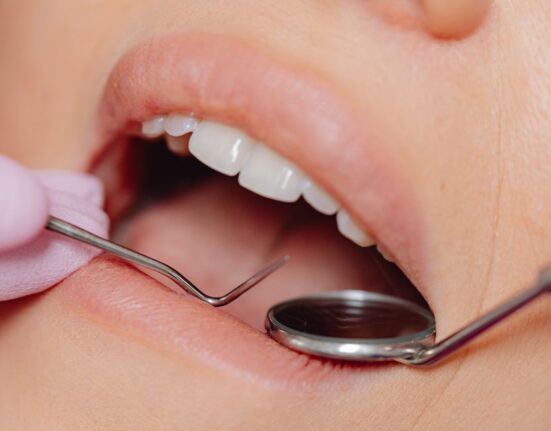

I recently came across the heartwarming story of a kid singing Wicked at the dentist, turning an ordinary dental visit into a fun and memorable experience. The child’s confidence and love for music made the moment adorable, showing how a favorite song can help make a dentist visit less stressful. Stay tuned with us to discover more about this delightful moment and why the kid singing Wicked at the dentist has captured people’s attention.
The kid singing Wicked at dentist is a heartwarming and entertaining moment that combines a child’s love for music with an everyday dental visit. Singing favorite songs like Defying Gravity can help some children feel more relaxed and confident during their dentist appointments. Discover why this adorable moment has captured attention and how music can make dental visits more enjoyable for kids.
Stay tuned with us as we explore the heartwarming story of kid singing Wicked at dentist and discover why this adorable moment has captured everyone’s attention.
What Is the Kid Singing Wicked at Dentist Trend?
The phrase “kid singing Wicked at dentist” describes a heartwarming and entertaining scenario in which a child sings songs from Wicked during a dental visit. The idea is amusing because a dentist’s office is not usually a place where people expect to hear a musical performance.
Children often find comfort in familiar songs, especially when they are visiting a place that makes them nervous. Singing can help them feel relaxed, express their personalities.
Why Is Wicked So Popular Among Kids?
Here are some reasons children may enjoy singing its songs.
1. Catchy and Memorable Songs
Songs from Wicked have powerful melodies and dramatic moments that can be fun to sing. Children who hear these songs repeatedly may quickly learn their favorite lyrics and enjoy performing them wherever they feel comfortable.
2. Fascinating Characters
The story features Elphaba, the misunderstood Wicked Witch of the West, and Glinda, the popular Good Witch. Their contrasting personalities, friendship, and adventures can capture a child’s imagination.
3. A Love of Musical Performances
Some children love pretending to be singers, actors, or performers. Singing a favorite musical song in an unexpected setting allows them to show their enthusiasm and confidence.
Can Singing Help a Child Feel Less Nervous at the Dentist?
Dental appointments can be stressful for some children, particularly when they are unfamiliar with the equipment or procedures. Singing may provide a useful distraction, although it does not eliminate anxiety for every child.
Here are a few ways music can help.
- Provides a distraction: Familiar songs can shift a child’s attention away from unfamiliar sounds and surroundings.
- Encourages self-expression: Singing gives children an opportunity to express their feelings in a comfortable way.
- Creates a positive association: A friendly dental visit that includes laughter and encouragement may help a child feel more comfortable about returning.
- Builds confidence: Allowing a child to share a favorite song can make the visit feel less intimidating.
How Can Parents Make Dental Visits More Enjoyable?
Parents can use simple strategies to make dental appointments easier for their children.
Choose a Favorite Song
Before the appointment, ask your child which songs they enjoy. If the dentist allows it, music can be played before treatment or during suitable parts of the visit.
Explain What Will Happen
Use simple, reassuring language to explain the appointment. Avoid frightening descriptions or making promises that everything will be completely painless.
Choose a Child-Friendly Dentist
A pediatric dentist is trained to work with children and can often adapt the appointment to their comfort level.
Praise Cooperation
Celebrate small achievements, such as sitting in the chair, following instructions, or asking questions. Positive encouragement can help children develop confidence over time.
What Makes a Kid Singing at the Dentist So Entertaining?

Part of the appeal comes from the contrast between the setting and the performance. A dentist’s office is associated with checkups, dental instruments, and quiet waiting rooms. A child enthusiastically singing a dramatic musical number creates a surprising and amusing scene.
The moment can also remind adults of how naturally children express themselves. While grown-ups may feel embarrassed about singing in public, children sometimes perform their favorite songs without worrying about what others think.
Why Moments Like These Spread on Social Media?
Short videos featuring children, music, and unexpected situations can attract attention because they are easy to understand and emotionally engaging.
Several elements may contribute to their appeal:
- Relatability: Many parents recognize the challenge of helping children feel comfortable during appointments.
- Humor: An unexpected musical performance can make an ordinary situation funny.
- Authenticity: A child’s natural enthusiasm can feel refreshing compared with carefully staged content.
- Shareability: A short, memorable moment is easy for viewers to send to friends and family.
Frequently Asked Questions
1. What does “kid singing Wicked at dentist” mean?
It describes a child singing songs from Wicked during a dental visit.
2. Which Wicked song might the child be singing?
The child might sing popular songs like Defying Gravity, Popular, or For Good.
3. Why do children sing at the dentist?
Children may sing because they enjoy music or feel more comfortable with familiar songs.
4. Can music help children overcome dental anxiety?
Yes, music may distract children and help them feel more relaxed during dental visits.
5. Is Wicked suitable for children?
Wicked may appeal to children, but parents should consider their child’s age and sensitivity to its content.
Summary
A kid singing Wicked at the dentist is a delightful idea that combines a child’s love of music with an everyday dental visit. Singing may help some children feel more comfortable, express themselves, and enjoy the experience. Songs such as “Defying Gravity” and “Popular” offer memorable musical moments, while the child’s enthusiasm makes the scenario entertaining and relatable.