I started using silicone-based moisturizers during a dry winter after strong acne treatments damaged my moisture barrier badly. Within weeks, my skin felt smoother, less irritated, and easier to manage under makeup. That experience changed how I viewed protective ingredients and everyday hydration forever.
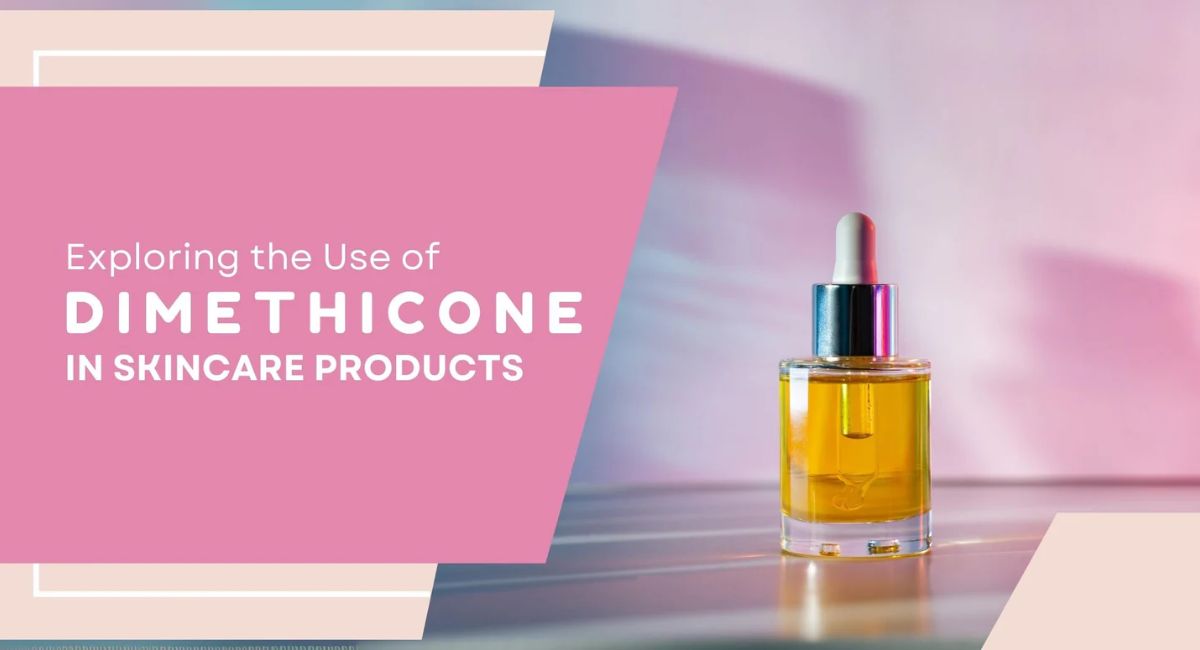
Skin care trends change constantly, yet some ingredients continue surviving every beauty cycle because they genuinely work. One ingredient often misunderstood is dimethicone. People either love it or avoid it completely, usually without understanding what it actually does for hydration, texture, and long-term comfort.
Learn benefits, myths, uses, safety, and expert advice about dimethicone in skin care for smooth, protected, healthier-looking skin daily.
Why Dimethicone in Skin Care Feels So Smooth

Dimethicone creates an instantly silky texture because it forms a lightweight protective layer across the surface of the skin. Unlike heavy oils that can feel greasy or sticky, this ingredient spreads evenly and reduces roughness without leaving a thick residue behind. That smooth finish explains why many moisturizers, primers, sunscreens, and foundations rely on it for improved application and comfort. The ingredient belongs to the silicone family, but modern cosmetic formulas use highly refined versions designed for topical safety and softness. It helps reduce water loss by slowing evaporation from the skin barrier. This makes it especially useful for dry environments, over-exfoliated complexions, and irritated areas needing temporary protection.
People with sensitive skin often appreciate the calming feel because it minimizes friction. Makeup also sits more evenly on skin coated with a breathable protective film. Fine lines can appear softer, and flaky patches become less noticeable throughout the day. Another reason for its popularity is stability. It doesn’t oxidize easily and works well alongside active ingredients such as niacinamide, ceramides, and peptides. Instead of overpowering a routine, it usually improves the overall user experience by enhancing texture and reducing discomfort.
How Dimethicone in Skin Care Protects Moisture Barriers
Healthy skin depends on a strong barrier capable of retaining hydration while defending against environmental stress. When the barrier becomes damaged from over-cleansing, harsh weather, or aggressive acids, irritation often follows. This ingredient supports recovery by forming a breathable shield that helps reduce transepidermal water loss. Many people assume barrier support always comes from oils or thick creams, yet lightweight silicones can also play a major role. The flexible coating created on the skin helps hold moisture where it belongs without clogging pores or creating an overly heavy feeling. That balance matters for people who want hydration without shine.
Dermatologists frequently recommend barrier-supportive formulas after cosmetic procedures because vulnerable skin needs reduced friction and improved moisture retention. A smoother outer layer can decrease discomfort caused by dryness and rough texture. This effect becomes especially noticeable during winter or after acne treatments. It’s important to understand that this ingredient doesn’t add water into the skin itself. Instead, it locks in existing hydration and supports ingredients already present in the formula. Pairing it with humectants like glycerin or hyaluronic acid often produces stronger results than using either category alone. Consistent use can leave the complexion calmer, softer, and more resilient over time.
Common Myths About Dimethicone in Skin Care Products
One of the biggest myths surrounding this ingredient is the belief that it suffocates the skin completely. In reality, cosmetic-grade silicones are designed to create breathable layers rather than airtight seals. Skin still functions normally while receiving extra protection against dehydration and external irritation. Another common misunderstanding is that every silicone automatically causes breakouts. Skin reactions depend on the full formula, not one isolated ingredient. Many acne-prone individuals tolerate silicone-based moisturizers very well because they reduce friction and improve spreadability without adding excess oil.
Why Misinformation Spreads So Quickly
Beauty trends often rely on simplified labels like “clean” or “toxic,” which can remove important scientific context. Online discussions frequently repeat claims without explaining concentration levels, formulation chemistry, or individual skin differences. This creates unnecessary fear around ingredients that have long histories of cosmetic use.
Some people also believe silicones prevent active ingredients from penetrating the skin. Most modern formulas are carefully balanced to allow beneficial ingredients to perform effectively alongside protective agents. Cosmetic chemists specifically design products to maintain compatibility and stability. Another myth claims this ingredient builds up permanently on the skin. Gentle cleansing removes normal cosmetic residue effectively. Unless someone rarely washes their face, long-term buildup usually isn’t a realistic concern. Understanding formulation science helps consumers make smarter decisions instead of relying on social media assumptions.
Sensitive Complexions and Dimethicone in Skin Care Routines
Sensitive skin can react to fragrance, weather changes, over-exfoliation, or harsh cleansers. In many cases, reducing irritation becomes more important than chasing aggressive treatments. Products containing protective silicones often help because they create a smoother surface and reduce environmental stress. People experiencing redness or dryness frequently notice improved comfort after introducing barrier-supportive moisturizers. The soft protective layer decreases friction from touching, rubbing, or makeup application. That reduction in mechanical irritation can make a noticeable difference throughout the day. Another advantage involves consistency. Sensitive complexions usually prefer predictable formulas that don’t contain unstable botanical extracts or highly reactive ingredients. Silicone-based products often maintain texture and stability exceptionally well, which improves overall reliability.
Patch testing still matters because sensitivity varies between individuals. Even gentle formulas can trigger reactions depending on preservatives, fragrances, or accompanying active ingredients. Looking at the entire ingredient list remains essential when evaluating compatibility. Some users avoid richer creams because they dislike sticky textures. Lightweight silicone-containing moisturizers solve that problem by delivering comfort without excessive heaviness. The result feels breathable rather than greasy, making daily use easier. Comfortable skin tends to become more consistent skin. When irritation decreases, redness and dryness often become easier to manage long term.
Makeup Benefits of Dimethicone in Skin Care Formulas
Many makeup artists appreciate silicone-enhanced products because they improve texture, wear time, and blending. Smooth skin allows foundation to glide evenly instead of catching on rough patches or dry flakes. This creates a more polished appearance without requiring thick layers of product. Primers often rely heavily on this ingredient because it softens visible pores and fine lines temporarily. Instead of filling skin aggressively, it creates an even surface that reflects light more smoothly. Makeup then appears more natural under different lighting conditions.
Five Makeup Advantages Worth Knowing
- Foundation spreads faster with less streaking or patchiness.
- Dry areas become less visible throughout long wear days.
- Concealer settles less noticeably into expression lines.
- Powder products blend more evenly across textured areas.
- Makeup longevity improves in warm or humid conditions.
People who wear makeup daily often struggle with balancing hydration and longevity. Heavy creams can cause slipping, while overly matte products emphasize dryness. Silicone-based formulas bridge that gap effectively by supporting smooth application without overwhelming oiliness. Another benefit is reduced friction during blending. Brushes and sponges move more gently across the skin, which minimizes irritation and prevents unnecessary tugging. That matters especially for mature or sensitive complexions. Because the finish feels lightweight, many users barely notice the product after application. The skin appears refined while still maintaining a natural appearance rather than looking coated or waxy.
Oily Skin Concerns Around Dimethicone in Skin Care

Oily skin types sometimes hesitate before trying silicone-containing products because they fear clogged pores or excess shine. Surprisingly, many lightweight formulas actually perform well for oily complexions due to their non-greasy texture and ability to control surface feel. Traditional heavy creams can sit uncomfortably on oily skin and increase congestion. Silicone-enhanced moisturizers often provide hydration while maintaining a lighter finish. This balance helps prevent the tightness that can occur after over-cleansing or excessive use of mattifying products. Another benefit involves oil distribution. Smooth textures allow products to spread thinly and evenly, reducing the sensation of heaviness. Some users also notice improved makeup longevity because the skin surface becomes more refined and balanced throughout the day.
Oil production itself doesn’t automatically decrease because of this ingredient. However, skin that feels comfortable and protected may become less prone to reactive overproduction caused by dehydration. Supporting balance usually matters more than aggressively stripping oil away. Proper cleansing remains important. Gentle cleansers remove sunscreen, makeup, and daily buildup effectively without requiring harsh scrubbing. Double cleansing can help if someone wears long-lasting cosmetic products regularly. Finding the right formulation matters more than avoiding one ingredient category entirely. Texture, concentration, and supporting ingredients all influence how a product behaves on oily complexions.
Dermatologists Discussing Dimethicone in Skin Care Safety
Dermatologists commonly regard cosmetic-grade silicones as safe for topical use when formulated correctly. This ingredient appears in many over-the-counter moisturizers, sunscreens, scar treatments, and medical skin protectants because of its reliable performance and low irritation potential.
Scientific reviews generally support its use for barrier protection and texture enhancement. The ingredient is considered chemically stable, which reduces concerns associated with rapid oxidation or instability. Stability matters because unpredictable ingredients can increase irritation risks for sensitive users.
What Professionals Usually Recommend
Experts often encourage consumers to focus less on internet fear trends and more on personal skin response. A product that hydrates comfortably without triggering breakouts or irritation may deserve a place in a routine regardless of online myths. Many dermatologists also emphasize realistic expectations. This ingredient won’t cure acne, erase wrinkles permanently, or transform skin overnight. Instead, it supports comfort, texture, and moisture retention in practical ways.
Patch testing remains valuable for anyone with reactive skin or known allergies. Professionals also advise balancing protective products with proper cleansing habits and sun protection. Healthy routines depend on consistency more than chasing dramatic overnight results. Consumers sometimes assume “chemical sounding” ingredients must automatically be dangerous. Cosmetic chemistry, however, depends on formulation science, concentration, and safety testing rather than emotional marketing language. Reliable information usually comes from medical experts, cosmetic chemists, and evidence-based research instead of viral social media claims.
Dry Weather Effects on Dimethicone in Skin Care Use
Cold weather and indoor heating can leave skin painfully dry, flaky, and irritated. During these conditions, protective ingredients become especially valuable because moisture evaporates faster from compromised skin barriers. Silicone-based moisturizers help reduce that loss and improve comfort throughout the day. Many people notice seasonal tightness around the cheeks, nose, and forehead. Applying a protective cream after cleansing can reduce roughness and create a softer surface against cold air exposure. This effect becomes even more useful when combined with hydrating serums underneath. Wind exposure also increases irritation for sensitive complexions. Protective layers reduce friction and help skin feel calmer outdoors. Unlike extremely heavy ointments, lightweight silicone-containing products often remain comfortable during daytime activities without creating excessive shine.
People using retinoids or exfoliating acids during winter may experience additional dryness. Layering supportive moisturizers over treatment products can reduce discomfort while helping maintain routine consistency. Humid climates may require lighter textures, while colder environments often benefit from richer creams. Adjusting formulations seasonally helps maintain balanced hydration instead of relying on one texture year-round. Skin comfort changes dramatically with weather conditions. Supporting the barrier during environmental stress can improve overall appearance, flexibility, and resilience over time.
Choosing the Best Dimethicone in Skin Care Ingredients
Ingredient labels can feel confusing, especially when products contain long chemical names and marketing claims. Instead of focusing only on trends, consumers should evaluate how a formula behaves on their own skin type and daily routine.
Five Smart Shopping Tips
- Look for balanced formulas containing humectants and ceramides.
- Avoid overly fragranced products if sensitivity is common.
- Choose lightweight textures for humid climates or oily skin.
- Select richer creams during winter or after strong treatments.
- Read complete ingredient lists instead of trusting marketing buzzwords.
Texture matters more than branding for many users. A well-formulated moisturizer should feel comfortable enough for regular use. If a product feels suffocating or excessively greasy, it probably won’t become a sustainable part of a routine. Packaging also influences product quality. Air-tight pumps often maintain formula stability better than open jars repeatedly exposed to fingers and air. Stable products generally perform more consistently over time.
Testing products gradually reduces the risk of irritation. Applying a small amount every other day initially allows users to observe compatibility before full integration into a routine. Price doesn’t always determine quality either. Some affordable pharmacy moisturizers perform exceptionally well because they prioritize barrier support over flashy marketing claims or unnecessary fragrance additions.
Acne Treatments Alongside Dimethicone in Skin Care Products
Acne treatments can improve breakouts dramatically, but they often create dryness, peeling, and irritation in the process. Ingredients like benzoyl peroxide, salicylic acid, and retinoids may weaken the moisture barrier temporarily. Protective moisturizers help reduce discomfort and improve treatment consistency. Many people stop acne products because irritation becomes unbearable. Supportive hydration allows users to continue active treatments more comfortably. A smoother protective layer can reduce tightness and visible peeling while improving overall texture. There’s also a misconception that acne-prone skin should avoid all occlusive ingredients completely. In reality, dehydrated oily skin may produce even more oil when stripped aggressively. Balanced hydration supports healthier barrier function and often improves overall skin behavior.
Using lightweight non-greasy moisturizers after active treatments helps reduce friction and improve comfort. Sunscreen application also becomes easier when the skin surface feels smoother rather than flaky or inflamed. Proper cleansing remains essential. Heavy makeup, sunscreen, and treatment residue should be removed gently without over-scrubbing. Harsh cleansing can worsen inflammation and compromise healing further. The goal isn’t creating perfectly matte skin at all times. Healthy acne management usually involves balancing treatment effectiveness with barrier support and long-term skin comfort.
| Acne Treatment Type | How It Affects Skin | Role of Dimethicone-Based Products | Best Usage Tip |
| Benzoyl Peroxide | Can cause dryness, peeling, and irritation | Helps reduce moisture loss and improves skin comfort | Apply lightweight moisturizer after treatment dries |
| Salicylic Acid | Removes excess oil but may weaken the barrier | Creates a smoother protective layer without heaviness | Use gentle hydration morning and night |
| Retinoids | Often trigger flaking and sensitivity during adjustment | Minimizes rough texture and reduces tightness | Start with small amounts and moisturize consistently |
| Adapalene | Speeds cell turnover and may cause redness | Supports barrier protection and softer texture | Pair with non-irritating cleansers |
| Sulfur Treatments | Can leave skin feeling overly dry | Helps maintain softness without greasy residue | Use only on affected areas when possible |
| Azelaic Acid | May create temporary dryness or tingling | Improves comfort while supporting hydration retention | Layer moisturizer after application |
| Acne Spot Treatments | Frequently over-dry localized areas | Reduces visible flaking around blemishes | Avoid excessive layering of active ingredients |
| Prescription Acne Creams | Strong formulas may damage moisture barriers | Helps calm irritation and improves product spreadability | Follow dermatologist instructions carefully |
| Exfoliating Acids | Overuse can weaken skin resilience | Adds protective comfort and smoother feel | Limit exfoliation frequency if irritation appears |
| Acne Cleansers | Harsh washing may increase dehydration | Helps restore softness after cleansing | Choose gentle, fragrance-free formulas |
Layering Techniques With Dimethicone in Skin Care Routines
Dimethicone in skin care works best when you understand how layering changes its performance on the skin. It’s a silicone-based ingredient, so it behaves differently from water-based hydrators or oil-heavy creams. Most routines fail not because products are bad, but because the order is wrong. When used correctly, dimethicone in skin care helps seal hydration, smooth texture, and reduce moisture loss without feeling heavy or greasy. Water-based products should always come first because they absorb into the skin faster. Serums containing humectants, peptides, or antioxidants need direct contact with clean skin before any occlusive layer forms.
Once those ingredients settle, dimethicone in skin care products can be applied to lock in hydration and create a protective finish on the surface. This sealing effect is one of the main reasons dimethicone in skin care is widely used in moisturizers and primers. Timing also matters more than most people realize. If you apply products too quickly one after another, you risk pilling, especially when dimethicone in skin care is layered over silicone-heavy sunscreens or makeup bases. Allowing each layer to settle for a few seconds improves stability and prevents texture breakdown. This small habit makes dimethicone in skin care perform more effectively in everyday routines.
Morning routines often benefit the most from dimethicone in skin care because it creates a smooth base for sunscreen and makeup. At night, dimethicone in skin care helps reduce overnight moisture loss and supports barrier comfort. People with dry or sensitive skin often notice that dimethicone in skin care makes their routine feel more stable and less reactive. Climate also influences results. In humid environments, dimethicone in skin care helps control excess shine and keeps products from sliding off the skin. In dry or cold climates, dimethicone in skin care helps prevent water loss and maintains softness throughout the day. This adaptability is why dimethicone in skin care remains a staple in many modern formulations.
Aging Gracefully With Dimethicone in Skin Care Support
As skin matures, natural oil production decreases and the barrier becomes more fragile. This is where dimethicone in skin care becomes especially useful because it helps reduce water loss and improves surface smoothness. While dimethicone in skin care does not treat wrinkles directly, it improves how skin looks and feels by creating a more even texture and reducing the appearance of dryness.
Fine lines often look more visible when skin is dehydrated. Dimethicone in skin care helps temporarily soften these lines by filling in uneven texture on the surface. This creates a smoother appearance that makes makeup application easier and more natural. Many people notice that dimethicone in skin care improves how foundation sits on mature skin, reducing patchiness and enhancing blendability. Another benefit of dimethicone in skin care for aging skin is its protective quality. Mature skin is more prone to irritation due to long-term environmental exposure and weaker barrier function.
Dimethicone in skin care helps reduce friction and external stress, which allows the skin to feel more comfortable throughout the day. This protective layer doesn’t clog pores when formulated correctly, making dimethicone in skin care suitable even for sensitive mature complexions. Supporting the skin barrier becomes more important than chasing aggressive anti-aging treatments. Dimethicone in skin care fits into this approach because it focuses on comfort and stability rather than harsh resurfacing. When used consistently, dimethicone in skin care helps maintain a more balanced skin environment that supports other active ingredients like peptides or antioxidants.
Expert Tips for Using Protective Moisturizers
Start with lightweight hydration before applying dimethicone in skin care products so the skin can absorb water-based ingredients first. Apply moisturizers while the skin is slightly damp to lock in hydration more effectively. Avoid over-exfoliating because mature skin becomes more sensitive over time, and dimethicone in skin care works best on a calm, well-prepped barrier. Always pair routines with sunscreen because no ingredient, including dimethicone in skin care, can replace sun protection.
Travel Benefits of Dimethicone in Skin Care Products

Travel creates unpredictable conditions for the skin, and this is where dimethicone in skin care becomes extremely helpful. Airplane cabins are dry, hotel water can be inconsistent, and climate changes happen quickly. These factors often lead to dehydration, tightness, and dullness. Dimethicone in skin care helps reduce these effects by forming a protective barrier that limits moisture loss.
During flights, dimethicone in skin care acts like a shield against low humidity environments. When applied before boarding, it helps maintain skin comfort throughout the journey. Many travelers rely on dimethicone in skin care because it prevents that tight, dry feeling that usually appears after long hours in recycled cabin air. Another advantage is simplicity. Travel routines are often minimal, and dimethicone in skin care products usually combine well with other essentials like sunscreen and lightweight serums. This reduces the need to carry multiple products while still maintaining hydration and skin protection. That practicality makes dimethicone in skin care a travel-friendly option.
Climate transitions are another challenge. Moving from humid regions to cold or dry environments can shock the skin barrier. Dimethicone in skin care helps the skin adjust by maintaining consistent moisture levels and reducing irritation during adaptation. This is especially useful for people who travel frequently between different climates. Texture comfort also matters during travel. Dimethicone in skin care spreads easily without requiring heavy rubbing, which is helpful when skin feels tired or dehydrated. This gentle application makes routines faster and more comfortable while still supporting barrier health.
Long-Term Results From Dimethicone in Skin Care Habits
Long-term use of dimethicone in skin care is less about dramatic transformation and more about consistent support. The biggest benefit of dimethicone in skin care is its ability to maintain hydration balance over time. When the skin barrier stays protected daily, the overall texture becomes smoother and more stable.
People who regularly use dimethicone in skin care often notice fewer dry patches and less irritation during seasonal changes. This happens because dimethicone in skin care reduces moisture loss and helps the skin stay in a more controlled environment. Over time, this leads to a healthier-looking surface even though the ingredient itself does not actively “treat” skin concerns. Another long-term advantage of dimethicone in skin care is reduced barrier stress. Harsh cleansing, over-exfoliation, and constant product switching can weaken the skin over time. Dimethicone in skin care helps counteract this by adding a protective layer that minimizes external damage and friction.
Hydration retention also improves how other products perform. When dimethicone in skin care is part of a consistent routine, serums and moisturizers tend to work more effectively because the skin barrier remains stable. This creates a better environment for active ingredients to do their job. Consistency is the real key. Dimethicone in skin care doesn’t require complicated routines or constant experimentation. When used daily alongside sunscreen and gentle cleansing, dimethicone in skin care supports long-term comfort, smoother texture, and a more balanced skin appearance without unnecessary irritation or disruption.
Conclusion
Skin care doesn’t need fear-based thinking or extreme ingredient rules. Understanding formulation science helps people choose products based on comfort, performance, and long-term skin health instead of online myths. Protective ingredients can support hydration, improve texture, and reduce irritation when used correctly. The best routine is usually the one that remains consistent, balanced, and realistic for everyday life. Healthy skin rarely comes from chasing trends endlessly. It comes from patience, protection, and dependable habits maintained over time.
Frequently Asked Questions about dimethicone in skin care
1. Is dimethicone in skin care safe for daily use?
For most people, daily use is considered safe and well tolerated. It’s commonly found in moisturizers, sunscreens, primers, and medical skin protectants because of its smooth texture and barrier-supportive properties. Individual reactions remain possible, so patch testing is still helpful for highly reactive skin.
2. Can dimethicone in skin care clog pores easily?
Many modern formulas are designed to feel lightweight and breathable. Breakouts usually depend on the complete formulation, cleansing habits, and individual skin type rather than one ingredient alone. Plenty of acne-prone users tolerate silicone-containing products without major issues.
3. Why does dimethicone in skin care appear in makeup primers?
Primers use it because it smooths the skin surface and improves makeup application. Foundation glides more evenly, dry areas appear softer, and products often last longer throughout the day without looking patchy or heavy.
4. Should sensitive people avoid dimethicone in skin care products?
Not necessarily. Many sensitive complexions actually prefer protective formulas that reduce friction and moisture loss. Fragrance, preservatives, and harsh active ingredients often trigger irritation more frequently than refined cosmetic silicones themselves.
5. dimethicone in skin care trap dirt permanently?
Normal cleansing removes cosmetic residue effectively. Gentle face washes and proper nighttime cleansing habits are usually enough to keep skin clean and comfortable without excessive buildup concerns.
6. Can dimethicone in skin care help dry winter skin?
Yes. It supports hydration retention by creating a protective layer that reduces moisture evaporation. This can improve comfort during cold weather, indoor heating exposure, and seasonal dryness.
7. Is silicone-free always better than dimethicone in skin care formulas?
Not automatically. Silicone-free products can still irritate the skin depending on their ingredients. Effectiveness depends on the overall formula, your skin condition, and how consistently the product supports hydration and comfort.
8. Can oily skin types still use silicone-based moisturizers?
Absolutely. Many lightweight formulas feel less greasy than traditional heavy creams. Oily skin often benefits from balanced hydration and smoother texture without excessive heaviness or shine.
9. What ingredients work well alongside silicone-containing moisturizers?
Humectants like glycerin and hyaluronic acid pair especially well because they attract hydration while protective ingredients help keep moisture from evaporating too quickly. Ceramides and soothing agents also complement barrier-supportive routines effectively.
Summary
This guide explored how silicone-based moisturizers support hydration, texture, makeup application, and barrier protection. It covered myths, oily skin concerns, aging support, travel benefits, and layering techniques while explaining why balanced routines matter more than trend-driven fear surrounding cosmetic ingredients and everyday skin care choices.