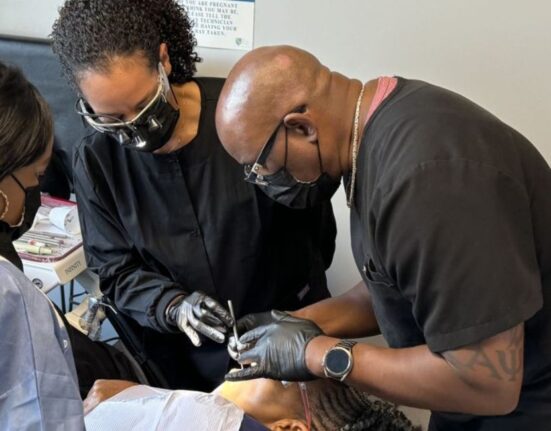

I once spent time shadowing a local outreach program where a community health worker helped an elderly patient navigate medication, transportation, and follow-up care. What stood out wasn’t medical complexity, it was patience. That worker stayed on calls, explained forms slowly, and made sure nothing felt overwhelming or ignored.
Healthcare systems often miss what happens outside hospitals. That’s where community health worker jobs step in. These roles connect people to care, resources, and trust. Many communities depend on community health worker jobs to bridge gaps between patients and healthcare systems that feel too complex or distant.
Explore roles, salaries, skills, training, and impact of community health worker jobs in healthcare systems and underserved communities.
Understanding The Core Role Of Community Health Worker Jobs
Community health worker jobs exist at the intersection of healthcare and community support. These professionals act as bridges between patients and healthcare systems, ensuring individuals understand their care plans, access services, and stay connected to medical resources. Unlike traditional clinical roles, community health workers focus heavily on education, advocacy, and real-world problem solving rather than diagnosis or treatment. A major part of the job involves helping people navigate complex healthcare systems that often feel overwhelming. Patients may struggle with insurance forms, appointment scheduling, medication instructions, or understanding referrals.
Community health workers step in to simplify these processes and ensure no one falls through the cracks simply because the system feels confusing. Another important responsibility is trust-building. Many individuals in underserved communities avoid healthcare settings due to cost concerns, language barriers, or past negative experiences. Community health worker jobs focus on rebuilding that trust by offering consistent support, culturally aware communication, and practical assistance that feels personal rather than institutional.
These workers also gather valuable insights from the community and relay them back to healthcare providers. This feedback loop helps improve services, identify gaps, and adjust programs to better fit real patient needs. In many cases, community health workers become the most accessible and reliable point of contact for individuals managing chronic conditions or social challenges. Their role is not just supportive, it’s foundational to improving public health outcomes in areas where healthcare access is limited or inconsistent.
Why Community Health Worker Jobs Are In High Demand
Healthcare systems across the United States are facing increasing pressure due to growing patient populations, rising chronic illness rates, and unequal access to care. In this environment, community health worker jobs have become essential rather than optional. Hospitals, clinics, nonprofit organizations, and public health departments now rely heavily on these professionals to extend care beyond traditional settings. One major reason for rising demand is the increase in chronic conditions such as diabetes, hypertension, and asthma. These illnesses require consistent monitoring, patient education, and lifestyle support.
Community health workers help patients stay on track with medications, appointments, and health goals, reducing hospital readmissions and emergency visits. Another driving factor is health inequality. Many communities still face barriers like transportation issues, limited insurance coverage, and language differences. Community health worker jobs directly address these barriers by meeting patients where they are, both physically and emotionally. This makes healthcare more accessible and equitable.
The shift toward preventive care also contributes to demand. Healthcare providers now understand that preventing illness is more cost-effective than treating advanced disease. Community health workers play a key role in early intervention, education, and community outreach programs that reduce long-term healthcare costs. Public health crises, including pandemics and mental health challenges, have also highlighted the importance of these roles. During such events, community health workers provide education, support vaccination efforts, and ensure accurate health information reaches vulnerable populations. The result is a rapidly growing field with strong job stability and expanding career opportunities.
Skills And Qualities Needed For Community Health Worker Jobs
Success in community health worker jobs depends less on technical medical training and more on interpersonal skills, cultural understanding, and emotional intelligence. These roles require individuals who can connect with people from diverse backgrounds while maintaining professionalism and empathy in every interaction. Strong communication is essential. Community health workers must explain medical instructions, insurance processes, and health education in simple, understandable language. Patients often feel overwhelmed, so clarity becomes a powerful tool in building trust and ensuring compliance with care plans.
Empathy is equally important. Many individuals receiving support are dealing with financial stress, chronic illness, or emotional hardship. Community health workers need to listen without judgment and respond with patience and understanding rather than urgency or pressure. Problem-solving skills also play a major role. Every patient situation is different. One person may need transportation assistance, another may require food resources, and someone else may need help scheduling specialist appointments. Adaptability is key.
Cultural awareness is another critical component. Community health worker jobs often involve working with diverse populations, including immigrant communities, rural populations, and low-income families. Understanding cultural values and communication styles improves trust and engagement significantly. Organizational skills matter as well because workers often manage multiple cases at once. Keeping track of follow-ups, referrals, and patient updates ensures consistent support without gaps in care. These combined skills create professionals who don’t just assist patients but actively improve health outcomes at the community level.
Training And Certification Pathways For Community Health Worker Jobs
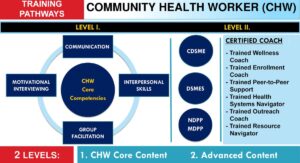
Most community health worker jobs do not require advanced medical degrees, but structured training and certification programs are becoming increasingly common. These programs prepare individuals for real-world challenges they will face while working directly with patients and communities. Training usually begins with foundational healthcare education. This includes understanding basic medical terminology, patient confidentiality laws, communication techniques, and the structure of healthcare systems. Many programs also include modules on chronic disease management, mental health awareness, and social determinants of health.
Field training is another essential component. Trainees often work under supervision in clinics, community centers, or nonprofit organizations. This hands-on experience helps them learn how to interact with patients, handle documentation, and navigate real-life scenarios. Certification requirements vary by state, but many regions now offer formal community health worker certification programs. These certifications enhance employability and demonstrate a standardized level of competence. Ongoing education is also important. Healthcare systems evolve constantly, and community health workers are expected to stay updated on new policies, resources, and community programs. Continuing education ensures they remain effective in their roles.
How Field Experience Builds Confidence
Field experience is where theoretical training becomes practical skill. New workers learn how to handle emotional conversations, manage time-sensitive referrals, and respond to unpredictable situations. This experience builds confidence that cannot be achieved through classroom learning alone.
Work Environments Where Community Health Worker Jobs Exist
Community health worker jobs are not limited to one type of workplace. These professionals operate in a wide variety of settings, each offering unique responsibilities and challenges. Common environments include hospitals, public health departments, nonprofit organizations, schools, and home visitation programs. Hospitals often use community health workers to reduce readmission rates. They help patients transition from hospital care back into their homes by ensuring follow-up appointments are scheduled and medications are understood correctly. Public health departments rely on these workers for outreach programs. They participate in vaccination drives, health education campaigns, and community screenings that target underserved populations.
Nonprofit organizations often focus on social support services. Community health workers in these environments may assist with housing resources, food assistance programs, and mental health referrals. Schools also benefit from these roles, especially in supporting students with chronic conditions or emotional challenges. Workers help families access healthcare services and ensure children receive necessary care without missing educational opportunities. Home visitation programs allow community health workers to engage directly with patients in their living environments. This helps identify real-life challenges that may not appear during clinical visits, such as food insecurity or medication adherence issues. Each environment shapes the role slightly differently, but the core mission remains the same: improving access to care and strengthening community health outcomes.
Salary Expectations And Career Growth In Community Health Worker Jobs
- Entry-level salary ranges across regions
- Impact of certifications on earning potential
- Growth opportunities in healthcare systems
- Advancement into supervisory roles
- Long-term stability in public health sectors
Community health worker jobs offer moderate starting salaries, but compensation often increases with experience, certifications, and specialized responsibilities. Entry-level positions may begin at lower wage ranges, especially in nonprofit or public health sectors, but growth potential exists as workers gain experience and expand their skill sets. Certification plays a major role in salary progression. Workers who complete formal training programs or state-recognized certifications often qualify for higher-paying positions or specialized roles in hospitals and healthcare systems. Career growth is also possible within larger healthcare organizations. Experienced community health workers may move into supervisory positions, program coordination roles, or training and mentorship positions for new hires.
Advancement Into Specialized Health Programs
Some workers transition into specialized areas such as chronic disease management, maternal health support, or mental health outreach. These roles often come with increased responsibility and higher compensation. Long-term stability is one of the strongest advantages of community health worker jobs. As healthcare systems continue focusing on prevention and community-based care, demand for these professionals is expected to remain strong.
How Community Health Worker Jobs Improve Patient Outcomes
Community health worker jobs play a direct role in improving patient outcomes by addressing barriers that often prevent individuals from receiving consistent care. These barriers may include transportation issues, lack of health literacy, financial challenges, or limited access to healthcare providers. One of the most important contributions is improving treatment adherence. Many patients struggle to follow medication schedules or attend follow-up appointments due to confusion or logistical challenges.
Community health workers help bridge that gap by providing reminders, explanations, and practical support. They also improve communication between patients and healthcare providers. Patients may not always feel comfortable asking questions during clinical visits. Community health workers help translate medical instructions into everyday language, ensuring patients fully understand their care plans.
Another key impact is early intervention. By staying connected with patients in the community, these workers can identify warning signs early and encourage timely medical attention. This reduces emergency visits and prevents conditions from worsening. Emotional support also plays a role. Many patients feel isolated when dealing with chronic illness or difficult life circumstances. Community health workers provide consistent human connection, which improves mental well-being and encourages healthier behavior. Overall, their presence leads to stronger healthcare engagement and better long-term health outcomes across communities.
Technology And Digital Tools In Community Health Worker Jobs
Technology has significantly changed how community health worker jobs function today. Digital tools now help workers manage patient information, track progress, and communicate more efficiently with healthcare teams. Mobile health applications allow workers to update patient records in real time. This reduces paperwork and ensures that healthcare providers receive timely and accurate information about patient conditions and needs. Telehealth platforms also play a growing role. Community health workers often assist patients in connecting with virtual appointments, especially in rural or underserved areas where transportation may be limited.
Data tracking systems help identify trends in community health. By analyzing patterns such as chronic disease prevalence or missed appointments, organizations can improve outreach strategies and allocate resources more effectively. Communication tools like secure messaging systems allow faster coordination between healthcare teams and community workers. This improves response times and ensures patients receive support when needed. Technology does not replace human interaction in these roles. Instead, it enhances efficiency and allows community health workers to focus more on personal engagement and direct patient support.
Challenges Faced In Community Health Worker Jobs
While community health worker jobs are rewarding, they also come with significant challenges. One of the most common difficulties is emotional strain. Workers often support individuals facing serious health issues, financial stress, or unstable living conditions, which can be emotionally demanding over time. High caseloads are another challenge. In some regions, demand for services exceeds available staffing, leading to large numbers of patients assigned to each worker. This can make it difficult to provide consistent follow-up and personalized attention.
Resource limitations also create obstacles. Community health workers may encounter situations where patients need services that are unavailable or have long waiting lists, which can be frustrating for both workers and patients. Transportation barriers can affect job performance as well, especially for roles requiring home visits. Reaching patients in rural or underserved areas may require significant travel time and coordination. Despite these challenges, many workers remain committed because of the meaningful impact they have on individual lives and community health outcomes.
| Challenge Area | Description | Impact on Work | Possible Support |
| High Workload | Managing many patients and home visits daily | Fatigue and reduced efficiency | Better staffing and workload balance |
| Limited Resources | Lack of medical supplies or transport | Delays in care delivery | Improved funding and logistics support |
| Emotional Stress | Exposure to illness, poverty, and trauma | Burnout and mental strain | Counseling and mental health support |
| Safety Risks | Traveling in unsafe or remote areas | Personal security concerns | Safety training and protective protocols |
| Low Compensation | Often limited financial rewards | Job dissatisfaction and turnover | Better pay structures and incentives |
| Communication Barriers | Language and cultural differences | Misunderstandings in patient care | Training in local languages and cultural sensitivity |
| Lack of Training | Insufficient ongoing professional development | Reduced effectiveness in care delivery | Continuous education programs |
| Community Resistance | Hesitancy or mistrust from residents | Difficulty in delivering services | Awareness campaigns and trust-building efforts |
Community Impact And Social Value Of Community Health Worker Jobs
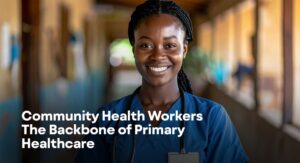
The social value of community health worker jobs extends far beyond individual patient interactions. These professionals contribute to healthier communities by improving access to care, reducing health disparities, and promoting preventive health practices. Communities with active community health worker programs often experience lower emergency room usage and better chronic disease management. This reduces strain on healthcare systems while improving overall public health.
Education is another major impact area. Community health workers help spread awareness about vaccinations, nutrition, mental health, and preventive screenings. This knowledge empowers individuals to make better health decisions. They also strengthen trust between healthcare systems and communities. In areas where mistrust or misinformation exists, community health workers serve as reliable, familiar sources of guidance. Their work often creates ripple effects. One educated or supported patient can positively influence family members and neighbors, spreading healthier behaviors throughout the community.
Expert Tips For Building A Career In Community Health Worker Jobs
Building a strong career in community health worker jobs starts with gaining practical experience as early as possible. Volunteering in clinics, nonprofit organizations, or outreach programs helps develop communication skills and real-world understanding of community needs. Continuous learning is also essential. Healthcare systems evolve, and staying updated with new training programs, certifications, and public health trends increases long-term career opportunities.
Networking within healthcare organizations can open doors to advancement. Building relationships with nurses, doctors, and program coordinators often leads to new job opportunities or specialized roles. Developing strong documentation skills is equally important. Accurate record-keeping ensures better communication with healthcare teams and improves patient outcomes. Finally, emotional resilience plays a key role in long-term success. Learning how to manage stress and maintain work-life balance helps prevent burnout in this demanding but rewarding field.
Future Outlook For Community Health Worker Jobs In Healthcare Systems
The future of community health worker jobs looks strong as healthcare systems continue shifting toward preventive care and community-based models. More organizations now recognize the value of addressing social determinants of health alongside traditional medical treatment. As healthcare costs continue rising, community-based interventions become more important in reducing hospital readmissions and emergency care usage. This increases demand for trained community health workers across multiple sectors. Technology will also continue shaping the field. Digital health tools, remote monitoring systems, and telehealth services will expand the reach and efficiency of community health programs.
Policy support is increasing as well, with more states and healthcare organizations formalizing roles and certifications for community health workers. This professionalization will likely improve job stability and career advancement opportunities. Overall, the role of community health workers will continue growing as an essential part of modern healthcare systems focused on accessibility, prevention, and long-term wellness.
Conclusion
Community health worker jobs sit at the center of modern community-focused healthcare. They connect people to services, reduce barriers, and improve long-term health outcomes through trust and accessibility. As healthcare systems continue evolving toward prevention and equity, these roles will remain essential in shaping healthier, more connected communities.
Frequently Asked Questions About Community Health Worker Jobs
1. What does a community health worker do daily?
Community health workers assist patients by connecting them to healthcare services, providing education, scheduling appointments, and offering support in navigating medical systems and community resources.
2. Do community health worker jobs require a degree?
Most positions do not require a college degree, though some employers prefer certification or training programs in public health or community health education.
3. Are community health worker jobs stressful?
They can be emotionally demanding due to patient needs and high caseloads, but many workers find the role rewarding because of its community impact.
4. Where do community health workers typically work?
They work in hospitals, clinics, nonprofits, public health departments, schools, and home visitation programs depending on organizational needs.
5. What skills are most important for this job?
Communication, empathy, cultural awareness, organization, and problem-solving are essential skills for success in community health worker roles.
6. Can community health workers advance their careers?
Yes, experienced workers can move into supervisory roles, program management, healthcare coordination, or specialized public health positions.
7. Are community health worker jobs in demand?
Yes, demand is increasing due to the focus on preventive care, chronic disease management, and health equity initiatives.
8. Do community health workers provide medical treatment?
No, they do not provide clinical treatment but support patients by connecting them with healthcare providers and services.
9. What is the main goal of community health worker jobs?
The main goal is to improve access to healthcare, reduce barriers, and support better health outcomes in communities.
Summary
Community health worker jobs support communities by improving healthcare access, patient education, and system navigation. These roles strengthen public health through prevention, outreach, and emotional support. With growing demand in healthcare systems, they offer meaningful work, career growth, and long-term stability in community-focused health services.