
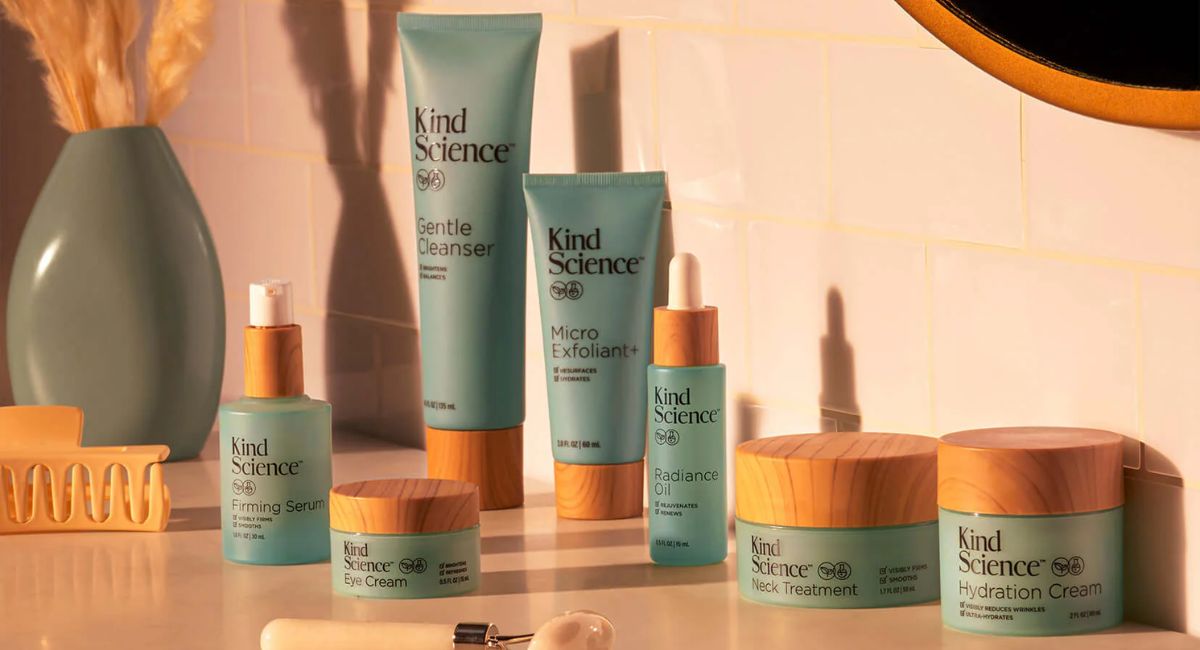
I spent years buying random skincare products without questioning their origins. One day, I discovered what “cruelty free skin care lines” actually meant — and I couldn’t unsee it. Since switching, my skin has genuinely improved, and my conscience feels completely clean.
If you’ve been searching for skincare that actually works without harming animals, you’re in the right place. This guide breaks down the best cruelty free skin care lines available today — honest, thorough, and written for real people who care.
Discover the best cruelty-free skincare lines offering safe, ethical, and effective beauty products for healthy, glowing skin.
Why Cruelty Free Skin Care Lines Are Taking Over the Market

The beauty industry has gone through a massive shift over the past decade. More shoppers are paying attention to not just what goes on their skin, but how those products were developed and tested. Cruelty free skin care lines have grown from a niche category into one of the most demanded segments in the entire beauty market. According to multiple industry reports, the global cruelty-free cosmetics market is expected to grow significantly through the late 2020s, and that’s no surprise.
People are more informed today than ever before. They read labels. They Google brands. They ask questions on Reddit and TikTok before spending twenty dollars on a moisturizer. The rise of social media has made brand transparency a non-negotiable. If a company is still testing on animals, consumers will find out — and they’ll talk about it. Beyond ethics, there’s also a practical reason to choose cruelty free skin care lines. Many of these brands rely on plant-based formulations, gentle actives, and clean chemistry because their target audience overlaps heavily with people who prefer non-toxic, skin-friendly ingredients.
How to Identify a Genuinely Cruelty Free Skin Care Brand
Not every brand that puts a bunny logo on its packaging is truly cruelty free. This is one of the most frustrating realities for conscious shoppers trying to navigate cruelty free skin care lines. Greenwashing — where companies use vague or misleading language to appear ethical — is widespread in the beauty industry. So how do you actually verify a brand’s status? The most reliable method is to look for certification from recognized organizations. Leaping Bunny, certified by Cruelty Free International, is widely considered the gold standard. PETA’s Beauty Without Bunnies program is another well-known certification, though some critics note its verification process is slightly less rigorous.
Beyond certifications, check whether the brand sells in mainland China. Until recently, foreign cosmetics sold there were legally required to undergo animal testing, which meant even “cruelty free” brands were disqualified. That policy has since been updated for certain product categories, but it’s still worth researching brand-by-brand. You can also email companies directly. Genuine cruelty free brands are usually transparent and quick to respond with their testing policies. If a brand dodges the question or gives a vague answer about “following local laws where required,” that’s a red flag worth heeding.
Top Cruelty Free Skin Care Lines for Sensitive Skin
Sensitive skin requires gentle care, soothing ingredients, and products that avoid harsh chemicals or irritation triggers. Many cruelty free skin care lines are specifically designed to calm redness, strengthen the skin barrier, and provide long-lasting hydration without animal testing. These brands often use plant-based extracts, fragrance-free formulas, and dermatologist-tested ingredients suitable for delicate skin types.
One major advantage of cruelty free skincare for sensitive skin is the focus on mild formulations. Instead of aggressive exfoliants or strong synthetic fragrances, these products prioritize calming ingredients like aloe vera, chamomile, oat extract, calendula, and ceramides. These ingredients help reduce inflammation while improving moisture retention and overall skin comfort. People with sensitive skin should always patch test products before full application and avoid overloading routines with multiple active ingredients. A simple cleanser, moisturizer, and sunscreen routine is often the safest approach for maintaining healthy and balanced skin.
Best Cruelty Free Skin Care Lines for Sensitive Skin
| Brand/Line | Best Known For | Gentle Ingredients | Main Benefit for Sensitive Skin |
| Pacifica Beauty | Vegan and fragrance-light formulas | Aloe vera, coconut water | Calms irritation and hydrates |
| The Ordinary | Minimal ingredient approach | Hyaluronic acid, niacinamide | Reduces sensitivity and dryness |
| e.l.f. Skin | Affordable gentle skincare | Squalane, ceramides | Supports skin barrier health |
| Acure | Plant-based soothing products | Argan oil, pumpkin extract | Nourishes and softens skin |
| Derma E | Clean and antioxidant-rich skincare | Vitamin E, chamomile | Reduces redness and irritation |
| Cocokind | Simple and sustainable formulas | Oat extract, celery seed | Soothes reactive skin naturally |
Choosing the right cruelty free skin care lines for sensitive skin can improve skin comfort, reduce redness, and create a healthier complexion over time. Consistency and gentle ingredients remain the key factors for long-term results.
Gentle Formulas That Work Without Compromise
Sensitive skin is its own unique challenge. You need products that soothe without irritating, hydrate without clogging, and protect without causing reactions. The good news is that many of the best cruelty free skin care lines are specifically designed with sensitive skin in mind. Brands like Avène, Paula’s Choice, and First Aid Beauty have built their entire product lines around gentle, non-reactive formulas. Avene, a French pharmacy brand, uses thermal spring water as its hero ingredient — naturally soothing and anti-irritating. They carry Leaping Bunny certification and have a long track record in dermatological care. Paula’s Choice is another favorite in the sensitive skin community, known for its transparency about ingredients and its evidence-based approach to formulation.
First Aid Beauty, or FAB, takes things a step further by making their products fragrance-free, paraben-free, and suitable for eczema-prone skin. Their Ultra Repair Cream has a cult following for good reason — it works fast, layers well, and doesn’t break most people out. If you have sensitive skin and have been hesitant to explore cruelty free skin care lines because you fear reactions, start with these brands. They prove that ethical can mean effective, even for the most reactive skin types among us.
Budget-Friendly Cruelty Free Skin Care Lines That Actually Deliver
One of the most common misconceptions about cruelty free skin care lines is that they’re automatically expensive. That idea gets repeated so often it’s become a bit of a myth. The truth? There are dozens of affordable, high-performing cruelty free options sitting right on drugstore shelves. Cosmetics is fully cruelty free and vegan, with skincare products that cost under fifteen dollars. Their Holy Hydration face cream and SPF moisturizers have earned serious praise from both beauty bloggers and dermatologists. Pacifica Beauty is another drugstore staple — 100% vegan and cruelty free, with a wide range that includes serums, cleansers, and SPF products priced very accessibly.
The Ordinary, owned by DECIEM, is perhaps the most famous budget option in the cruelty free world. Their serums and acids use clinical-strength actives at a fraction of the cost of luxury brands. They’re transparent about ingredients, carry cruelty free certifications, and ship worldwide. Their niacinamide serum alone has sold millions of units. CeraVe is also cruelty free (they do not test on animals and have confirmed they are not required to in any market they sell in), and their products are available at almost any pharmacy. For anyone starting a cruelty free skin care routine on a budget, these brands are the perfect entry point.
Luxury Cruelty Free Skin Care Lines Worth the Splurge
Tatcha — A Japanese-inspired luxury brand rooted in the concept of nourishing skin rather than stripping it. Their Dewy Skin Cream and Rice Polish cleanser are iconic. Fully cruelty free, with formulas using fermented rice water and superfoods for skin.
Drunk Elephant — Known for their “suspicious six” free philosophy (no essential oils, drying alcohols, silicones, chemical screens, fragrances, or SLS). All products are cruelty free and designed to work in biocompatible harmony with your skin. Their TLC Framboos Glycolic Night Serum has a near-cult following.
Tata Harper — A Vermont-based luxury brand that grows many of its own ingredients on a 1,200-acre farm. Everything is 100% natural, non-toxic, cruelty free, and made in small batches. Premium in every sense.
Sunday Riley — Clinical-grade actives wrapped in chic packaging. Their Good Genes lactic acid treatment and CEO Vitamin C Serum are consistently ranked among the best in their category. Fully cruelty free and formulated with serious skin science behind them.
Herbivore Botanicals — Minimalist aesthetics, clean ingredients, and a deeply intentional approach to formulation. Products like the Prism Exfoliating Glow Potion deliver real results with nothing unnecessary added.
Best Cruelty Free Skin Care Lines for Anti-Aging
Anti-aging skincare has become one of the most important parts of modern beauty routines, and many cruelty free skin care lines now offer advanced solutions that help reduce visible signs of aging without relying on animal testing. These skincare lines focus on improving skin elasticity, reducing wrinkles, maintaining hydration, and protecting the skin from environmental damage using ethical and skin-friendly ingredients. One of the biggest causes of premature aging is free radical damage caused by pollution, UV rays, and stress. Cruelty free skincare products often include antioxidants such as vitamin C, green tea extract, and resveratrol, which help protect the skin against these harmful factors. These ingredients support collagen production and improve skin firmness over time.
Hydration is another essential aspect of anti-aging care. Ingredients like hyaluronic acid, squalane, and plant-based oils deeply moisturize the skin, making fine lines appear softer and less noticeable. Unlike harsh anti-aging treatments, cruelty free skin care lines usually focus on gradual and sustainable skin improvement that supports long-term skin health. Many ethical beauty brands also avoid strong synthetic fragrances and irritating chemicals, making their anti-aging products suitable for mature and sensitive skin types.
Consistent use of gentle cleansers, antioxidant serums, moisturizers, and sunscreen creates a balanced routine that helps maintain youthful and healthy-looking skin. Another advantage of cruelty free anti-aging skincare is its emphasis on clean beauty and sustainability. Consumers can improve their skin while supporting ethical production methods and environmentally responsible practices. This combination of effectiveness, compassion, and skin safety is why cruelty free anti-aging skincare continues to grow in popularity worldwide. With patience and regular use, cruelty free skin care lines can help improve skin texture, brightness, firmness, and overall radiance naturally without compromising ethical values.
Ingredients to Look For in Age-Defying Formulas
Not all anti-aging products are created equal, and when you’re shopping within cruelty free skin care lines, knowing which ingredients actually work helps you spend smarter. Retinoids (or their plant-based alternatives like bakuchiol), vitamin C, niacinamide, hyaluronic acid, and peptides are the heavy hitters you want to look for on any anti-aging label. Bakuchiol has become especially popular in cruelty free circles because it delivers retinol-like results without the irritation — and it’s plant-derived, making it suitable for vegan formulas. Brands like Herbivore, Pai Skincare, and Biossance have built standout bakuchiol products.
For vitamin C, Sunday Riley’s CEO Serum and Drunk Elephant’s C-Firma are consistently rated best-in-class. These formulations use stable forms of vitamin C that penetrate effectively and don’t oxidize in the bottle. Peptide-based products from brands like NIOD (also part of DECIEM) and The Ordinary offer impressive firming and smoothing results. NIOD’s Multi-Molecular Hyaluronic Complex is a multi-weight HA serum that layers hydration at every level of the skin, which is exactly what aging skin needs. When shopping for anti-aging within cruelty free skin care lines, the ingredient list is your most honest guide.
Cruelty Free Skin Care Lines for Oily and Acne-Prone Skin
Managing oily or acne-prone skin is genuinely hard. You need products that control sebum without dehydrating, treat breakouts without over-drying, and don’t clog pores. The good news is that cruelty free skin care lines have some of the best options available for exactly this skin type. Paula’s Choice is virtually unrivaled here. Their 2% BHA Liquid Exfoliant has over a million five-star reviews and is consistently recommended by dermatologists for acne-prone and oily skin. It unclogs pores, smooths texture, and reduces blackheads without harsh scrubbing.
The Ordinary’s niacinamide 10% + zinc 1% serum is another top pick — affordable, effective, and non-comedogenic. It regulates oil production, minimizes the appearance of pores, and reduces inflammation around breakouts. For a complete routine, Acure is a cruelty free drugstore brand with a strong lineup for oily skin, including their Seriously Soothing Blue Tansy Night Oil (counterintuitive but effective) and their clarifying gel moisturizer. Youth to the People, a California-based brand, also deserves mention — their Superfood Cleanser and Kombucha + 11% AHA line work beautifully for oily and acne-prone skin types without harsh drying agents.
Cruelty Free Skin Care Lines With Sustainable Packaging
Cruelty free and eco-conscious often go hand in hand. Many of the best cruelty free skin care lines have gone a step further by also committing to sustainable packaging, reduced plastic use, and carbon-neutral operations. For consumers who care about the entire footprint of their purchases, these brands stand out. Ethique is a New Zealand brand famous for its solid beauty bars — shampoos, conditioners, and skincare in zero-waste, compostable packaging. Everything they make is cruelty free, vegan, and plastic-free. Their moisturizing bars and serums in solid form have been widely praised as both effective and genuinely low-impact.
Biossance uses squalane derived from sugarcane (rather than shark liver oil, the traditional source) and packages many products in glass with recyclable components. They’re certified cruelty free and have a notable commitment to sustainability in both ingredients and packaging. REN Clean Skincare made headlines by pledging to achieve zero-waste packaging by 2025 — and they’re well on track. Their products are cruelty free, and many formulas use upcycled marine or botanical ingredients. OSEA Malibu, a family-owned brand in California, uses seaweed-based formulas, cruelty free certifications, and minimal packaging. If sustainability is part of your skin care shopping criteria, these cruelty free skin care lines hit every mark.
Cruelty Free Skin Care Lines Recommended by Dermatologists
What Skin Experts Actually Recommend
Dermatologist recommendations carry real weight, especially when they overlap with cruelty free skin care lines. There’s a meaningful overlap between clinically tested, fragrance-free, and dermatologist-approved products and the cruelty free category — more than most people realize. CeraVe is probably the most universally dermatologist-recommended cruelty free brand in the US. Developed with dermatologists, their formulas use ceramides, hyaluronic acid, and niacinamide in ratios that support the skin barrier. They’re available everywhere, affordable, and proven across thousands of clinical patient outcomes.
La Roche-Posay is another dermatologist darling. Their Toleriane line and Cicaplast Baume B5 are routinely recommended for sensitive, compromised, or post-procedure skin. They’re cruelty free (confirmed via Leaping Bunny certification process) and have a long history of clinical validation. Vanicream is a lesser-known but highly regarded dermatologist-recommended brand for people with eczema, psoriasis, or severe sensitivity. Fully cruelty free, their formulas contain none of the most common skin irritants and allergens. Paula’s Choice, already mentioned for acne-prone skin, is also widely endorsed by dermatologists for its evidence-based approach. Their website publishes full ingredient reviews and research citations, making it one of the most transparent cruelty free skin care lines in the industry.
Cruelty Free Skin Care Lines for Men
Men’s skincare has undergone a quiet revolution. The old notion that men only need soap and water is fading fast — and a growing number of men are actively seeking out cruelty free skin care lines that address their specific needs without complicated routines or fussy packaging. Bulldog Skincare is one of the most recognized cruelty free brands specifically designed for men. Certified by Leaping Bunny, their products are built around natural ingredients and stripped-back routines. Their moisturizer with SPF is a standout — simple, effective, and easy to incorporate into any morning routine.
Lumin Skincare is a premium cruelty free option for men, offering targeted serums, cleansers, and moisturizers formulated with ingredients like charcoal, vitamin C, and antioxidant-rich botanicals. Their products are designed with men’s skin thickness and sebum levels in mind. Kiehl’s, while not 100% vegan, is fully cruelty free and has long been a favorite among men who want quality skincare without pretension. Their Facial Fuel moisturizer and Midnight Recovery Concentrate are among the best-sellers in the men’s category. The Ordinary also appeals strongly to men who want effective, no-nonsense skincare at accessible prices. With cruelty free certification and clinical-strength actives, their range works regardless of gender — and that simplicity is part of the appeal.
Cruelty Free Skin Care Lines Suitable for Darker Skin Tones
| Brand/Line | Best For | Key Benefit |
| Fenty Skin | Uneven skin tone | Brightens and hydrates |
| Buttah Skin | Melanin-rich skin | Improves glow and softness |
| Urban Skin Rx | Hyperpigmentation | Evens skin tone |
| Cocokind | Sensitive darker skin | Calms and hydrates |
| The Ordinary | Acne and texture | Targets spots and unevenness |
Addressing Hyperpigmentation in Deeper Complexions
Hyperpigmentation, post-inflammatory darkening, and uneven skin tone are among the most common concerns for people with deeper skin tones — and finding cruelty free skin care lines that actually address these concerns takes more than just reading a label. Vitamin C, niacinamide, alpha arbutin, and tranexamic acid are the key ingredients to look for. Alpha arbutin in particular is a gentle, effective brightener that works well on all skin tones without the risk of ochronosis (darkening from overuse) associated with high concentrations of hydroquinone. Topicals is a brand specifically founded by women of color to address skin concerns common in melanin-rich skin.
Their Faded Serum and Bright As F*ck toner are both cruelty free, backed by dermatological research, and formulated with dark spots and discoloration in mind. Another Black-owned cruelty free brand, focuses entirely on skin concerns for darker complexions — uneven tone, dark spots, and hyperpigmentation. Their formulas are clinically informed and developed with melanin-rich skin specifically as the target. The Inkey List carries cruelty free certification and offers affordable targeted treatments like tranexamic acid serum and alpha arbutin, both of which have strong track records for brightening without irritation across all skin tones.
Cruelty Free Skin Care Lines That Are Also Vegan
Being cruelty free and being vegan are related but not identical. A cruelty free brand doesn’t test on animals — but it may still use animal-derived ingredients like beeswax, lanolin, collagen, or honey. Truly vegan cruelty free skin care lines avoid both.
Here are some fully vegan cruelty free brands worth knowing:
- Pacifica Beauty — 100% vegan and cruelty free across the entire range, widely available, and affordable.
- Youth to the People — Vegan, cruelty free, and powered by superfoods like kale, spinach, and green tea.
- Herbivore Botanicals — All products are vegan, cruelty free, and made with plant-based and mineral ingredients.
- e.l.f. Cosmetics — Entirely vegan and cruelty free, including their growing skincare line.
- Acure — Vegan, cruelty free, and focused on plant-powered formulas that are also affordable.
When shopping for fully vegan cruelty free skin care lines, the safest approach is to look for brands that explicitly state “100% vegan” alongside their cruelty free certification. Some brands are cruelty free across their entire range but only vegan in select product lines — so it’s always worth double-checking at the individual product level if that distinction matters to you.
How to Build a Complete Routine Using Cruelty Free Skin Care Lines
Building a full skincare routine from cruelty free skin care lines is easier than it sounds, and you don’t need to use the same brand for every step. Many experienced skincare enthusiasts mix and match across brands, prioritizing the best product in each category regardless of where it comes from — as long as it’s verified cruelty free. A solid basic routine typically includes a cleanser, toner or essence (optional), serum, moisturizer, and SPF in the morning. At night, you swap the SPF for a richer moisturizer or treatment product like a retinoid or exfoliant.
For a budget-friendly all-cruelty-free routine, consider: CeraVe Hydrating Cleanser, The Ordinary Niacinamide Serum, CeraVe Moisturizing Cream, and EltaMD UV Clear SPF 46 (cruelty free and fragrance-free). This combination is frequently recommended by dermatologists and costs well under $80 total. For a mid-range routine: Youth to the People Superfood Cleanser, Paula’s Choice 2% BHA Exfoliant (2–3 times per week), Biossance Squalane + Phyto-Retinol Serum, and Supergoop! Unseen Sunscreen SPF 40. This lineup addresses a wide variety of skin concerns while staying firmly within cruelty free skin care lines.
Common Myths About Cruelty Free Skin Care Lines Debunked
There’s no shortage of misconceptions floating around about cruelty free skin care lines. Let’s cut through the noise and address the ones that come up most often among people considering the switch.
Myth 1: Cruelty free products don’t work as well. This simply isn’t true. Animal testing has nothing to do with a product’s effectiveness — it’s a safety testing method. Many of the highest-rated, most clinically effective products on the market are fully cruelty free.
Myth 2: All cruelty free brands are natural or organic. Cruelty free is a testing policy, not an ingredient standard. You can have a cruelty free product full of synthetic ingredients, just as you can have a natural product that was tested on animals.
Myth 3: Cruelty free certification means the brand is also vegan. Not necessarily. As explained earlier, animal-derived ingredients can still appear in certified cruelty free products.
Myth 4: Cruelty free products cost more. As we’ve covered at length in this guide, there are excellent cruelty free options at every price point — including in the drugstore aisle.
Myth 5: If it’s sold in the US, it must be cruelty free. The US currently has no federal law banning animal testing for cosmetics across all states, though several states including California have passed their own bans. Always verify independently.
Expert Tips for Using Cruelty Free Skin Care Lines Effectively
Getting the most out of cruelty free skin care lines isn’t complicated, but a few practical tips can make the difference between average and excellent results. Patch test new products. Even the gentlest formulas can cause reactions in some individuals. Apply a small amount to your inner wrist or behind your ear and wait 24–48 hours before using it on your face. Layer in order of texture. Apply products from thinnest to thickest — usually toner, serum, moisturizer, then SPF. This helps each product absorb properly rather than sitting on top of the previous one.
Give products time to work. Skincare — cruelty free or otherwise — takes consistency. Most active ingredients like niacinamide, vitamin C, and retinoids take four to twelve weeks to show meaningful results. Don’t switch products prematurely. Don’t skip SPF. No matter how impressive your cruelty free serum or retinoid is, sunscreen is the single most important anti-aging and skin-protective step in your routine. Supergoop!, EltaMD, and Unsun Cosmetics are all excellent cruelty free SPF options. Understand your skin type before buying. A product that works brilliantly for a friend with dry skin may not suit your combination or oily skin. Read reviews from people with your skin type, and consult a dermatologist if you’re unsure.
Conclusion
Switching to cruelty free skin care lines is one of the most meaningful choices you can make as a beauty consumer — and the good news is, it doesn’t require compromise. Whether you’re on a tight budget or treating yourself to luxury, managing acne or chasing anti-aging results, there is a verified cruelty free option that delivers. Your values and your skin goals can exist in the same bottle.
Frequently Asked Questions About Cruelty Free Skin Care Lines
1. What does “cruelty free” actually mean in skincare?
In the context of skincare, “cruelty free” means that the product — and its individual ingredients — were not tested on animals at any stage of development. This applies to the brand itself and ideally to any third parties or suppliers they work with. It’s important to note that “cruelty free” is not a legally regulated term in the United States, which is why third-party certifications from organizations like Leaping Bunny or PETA are essential for verification. Without certification, brands can technically use the phrase loosely, so always look for official certification logos on packaging or the brand’s website.
2. Are cruelty free skin care lines as effective as conventional products?
Absolutely — in many cases, they perform better. Animal testing was traditionally used as a safety screening method, not to measure efficacy. Today’s cruelty free brands use advanced in-vitro testing, computer modeling, and human volunteer studies to ensure product safety. Many cruelty free skin care lines are formulated by top cosmetic chemists with the same actives — retinoids, AHAs, BHAs, vitamin C, niacinamide — found in conventional products. Effectiveness depends on formulation, not testing method.
3. Is every product from a cruelty free brand automatically cruelty free?
Not always. Some brands are cruelty free in most markets but may allow testing in regions where it’s legally required (like certain international markets). Others have parent companies that are not cruelty free, which is a separate ethical consideration. When a brand achieves full Leaping Bunny certification, it applies to their entire product line and supply chain. Always check whether the certification is brand-wide or product-specific, and research whether the parent company aligns with your values.
4. What’s the difference between cruelty free and vegan skin care?
Cruelty free means no animal testing. Vegan means no animal-derived ingredients. A product can be cruelty free but still contain beeswax, lanolin, collagen, honey, or carmine. A product can theoretically be vegan but still have been tested on animals (though this is rare in practice). Many of the most popular cruelty free skin care lines are also vegan, but always read ingredient lists or look for a separate “vegan” certification if avoiding all animal-derived ingredients matters to you.
5. How do I know if a skincare brand is truly cruelty free?
The most reliable way is to check for Leaping Bunny certification through the Cruelty Free International database, or to verify through PETA’s Beauty Without Bunnies program. You can also visit a brand’s website and look for a detailed animal testing policy — authentic cruelty free brands are transparent about this. Avoid brands that use vague language like “we don’t conduct animal testing unless required by law,” as this is often code for selling in markets where testing is mandated.
6. Do cruelty free skin care lines cost more than regular skincare?
Not at all. There are exceptional cruelty free options at every price tier — from The Ordinary and e.l.f. in the single digits to Tatcha and Sunday Riley in the luxury category. The idea that cruelty free automatically means expensive is a myth that doesn’t hold up when you actually start comparing prices. In fact, some of the most affordable skincare brands on the market — CeraVe, The Ordinary, Pacifica — are also among the most rigorously cruelty free. Budget and ethics don’t have to be in conflict.
7. Can I find cruelty free skin care lines at regular drugstores?
Yes, more easily than ever. Brands like CeraVe, The Ordinary (at Sephora and Ulta), e.l.f., Pacifica, Acure, and Burt’s Bees are widely stocked at Target, CVS, Walgreens, and Walmart. Sephora and Ulta both have curated sections of cruelty free brands and allow you to filter by that criteria when shopping online. The availability of cruelty free skincare in mainstream retail has expanded dramatically over the past five years, making the switch easier than it’s ever been.
8. Are cruelty free skin care lines better for sensitive skin?
Often, yes — though not universally. Many cruelty free brands overlap heavily with the clean beauty movement, leading them to formulate without common irritants like synthetic fragrances, harsh preservatives, and unnecessary additives. Brands like Avène, La Roche-Posay, Vanicream, and First Aid Beauty specifically prioritize formulas suited to sensitive and reactive skin. However, “cruelty free” alone doesn’t guarantee a formula will be gentle — always read ingredient lists and check for fragrance-free or hypoallergenic claims if sensitivity is your primary concern.
9. Which cruelty free skin care lines are best for beginners?
If you’re just starting out with cruelty free skincare, a few brands make the learning curve very approachable. CeraVe is ideal because their products are simple, effective, widely available, and dermatologist-recommended. The Ordinary is perfect for those who want to learn about active ingredients without breaking the bank. Paula’s Choice offers excellent educational resources on their website alongside strong cruelty free products. For a full starter kit, try: a CeraVe cleanser, a niacinamide serum from The Ordinary, a simple moisturizer from Vanicream or CeraVe, and an SPF from EltaMD. This four-step routine covers everything most skin types need and is 100% within cruelty free skin care lines.
Summary
Cruelty free skin care lines offer effective, ethical options for every skin type and budget. From drugstore staples like CeraVe to luxury icons like Tatcha, the market has never been more accessible. Verified certifications, clean formulas, and growing availability make it easier than ever to align your skincare routine with your values.