I once assisted a family member recovering at home, and the home health aide supporting them showed incredible patience and care. That experience revealed how meaningful and impactful home health aide jobs can be for both patients and caregivers in real life.
Healthcare is shifting toward home-based support, where patients receive care in familiar surroundings. Home health aide roles are becoming essential in this system, offering emotional support, daily assistance, and medical monitoring that improves comfort, dignity, and recovery outcomes for patients.
Home health aide jobs offer caregiving careers, patient support roles, flexible work, and growing demand in the home healthcare industry.
1. Understanding Home Health Aide Jobs and Their Purpose

Home health aide jobs focus on providing essential personal care and assistance to individuals who are elderly, disabled, or recovering from illness. These professionals help patients live comfortably at home while maintaining dignity and independence. Their responsibilities often include bathing, grooming, meal preparation, and monitoring basic health conditions. The role is not limited to physical assistance; emotional support is equally important. Patients often rely on caregivers for companionship and encouragement during recovery. This makes the job deeply human-centered and meaningful.
In modern healthcare systems, home health aide jobs are becoming more important due to the increasing demand for home-based care. Hospitals aim to reduce overcrowding by shifting recovery and long-term care to home environments. This shift creates steady employment opportunities for caregivers. Training is often required, but entry barriers are lower compared to many healthcare professions. This allows individuals from diverse backgrounds to enter the field. Overall, these jobs serve as a bridge between medical care and daily living support, making them essential in today’s healthcare landscape.
2. Growing Demand for Home Health Aide Jobs
The demand for home health aide jobs is increasing rapidly due to aging populations and rising chronic illnesses. More families prefer home-based care rather than long hospital stays, which drives the need for trained caregivers. Healthcare systems are also shifting toward cost-effective care models. Home care reduces hospital expenses while improving patient comfort. This trend has significantly expanded job opportunities in this field.
Another reason for growth is the shortage of healthcare staff in hospitals and nursing facilities. Home health aides help fill this gap by supporting patients outside clinical environments. Technological advancements also support this growth. Remote monitoring devices and telehealth systems allow aides to coordinate care with medical professionals efficiently. As awareness increases, more people recognize caregiving as a stable career path. Many individuals searching for home health aide jobs find long-term opportunities with flexible schedules and emotional fulfillment.
3. Key Responsibilities of Home Health Aides
Home health aide jobs involve a wide range of responsibilities that focus on patient care and daily assistance. These include helping patients with personal hygiene, mobility support, medication reminders, and light housekeeping tasks. Aides also monitor vital signs such as blood pressure and temperature, reporting any changes to healthcare professionals. This ensures timely medical attention when needed. Communication is another important responsibility. Aides often act as a bridge between patients, families, and nurses, ensuring clear updates on health conditions.
Personal Care Assistance Duties
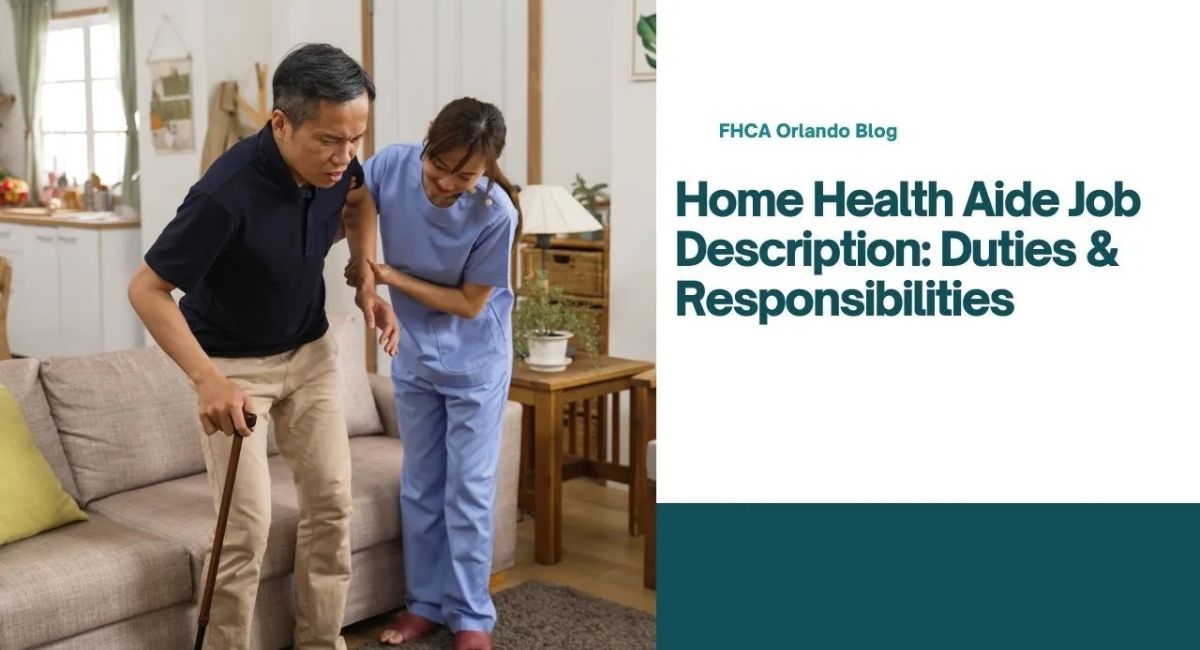
Personal care includes bathing, dressing, grooming, and assisting with mobility. These tasks help patients maintain dignity and comfort at home.
Emotional and Social Support Role
Beyond physical care, aides provide companionship and emotional encouragement, reducing feelings of loneliness and isolation.
Health Monitoring and Reporting
Aides observe patient conditions closely and report any unusual symptoms to healthcare supervisors for timely intervention. Overall, home health aide jobs require compassion, attention to detail, and strong communication skills.
4. Skills Required for Success in Home Health Aide Jobs
Success in home health aide jobs depends on both technical and interpersonal skills. Compassion and patience are the most important qualities, as aides work closely with vulnerable individuals. Basic medical knowledge is also necessary, including understanding vital signs and emergency response procedures. Training programs often cover these areas. Communication skills are essential for interacting with patients, families, and healthcare professionals. Clear communication ensures accurate care delivery.
Physical stamina is required because the job involves lifting, standing, and assisting patients with mobility.Time management helps aides handle multiple responsibilities efficiently throughout the day. Adaptability is another key skill, as each patient has different needs and conditions. Overall, these skills ensure high-quality care and professional growth in home health aide jobs.
5. Training and Certification for Home Health Aide Jobs
Training is an important step for entering home health aide jobs. Most programs provide both classroom learning and hands-on clinical experience. Certification requirements vary by region, but many employers prefer certified aides. Training covers topics such as patient care, safety procedures, infection control, and communication skills.
- Basic caregiving techniques and hygiene assistance
- Understanding patient safety and emergency response
- Communication and documentation skills
- Infection prevention and control methods
- Hands-on clinical practice with supervision
Many training programs also include CPR and first aid certification. These qualifications improve job readiness and employment opportunities. Continuous education is encouraged to stay updated with healthcare practices. This ensures better service quality and professional development in the caregiving field.
6. Work Environment of Home Health Aides
Home health aide jobs are unique because the work environment is the patient’s home rather than a hospital or clinic. This creates a more personal and comfortable setting for both patients and caregivers. Aides often work independently, following care plans provided by healthcare professionals. They may visit multiple patients in a day depending on schedules. The home environment requires adaptability, as each household is different. Aides must respect privacy, cultural values, and family dynamics while providing care. Safety is also important, as aides must ensure proper handling of equipment and safe patient mobility. This flexible work environment appeals to many individuals seeking meaningful and varied caregiving roles.
7. Salary and Benefits in Home Health Aide Jobs
Home health aide jobs offer competitive salaries that vary based on experience, location, and employer. While entry-level pay may be modest, experienced aides often earn higher wages. Benefits may include health insurance, paid training, overtime pay, and flexible schedules. Some agencies also offer bonuses for long-term service.
Entry-Level Salary Expectations
Beginners entering home health aide jobs typically start with modest hourly wages that reflect their initial level of experience and training. In most cases, entry-level pay varies depending on location, employer type, and whether the caregiver works through an agency or independently. While the starting salary may not be high, it provides a stable foundation for individuals entering the healthcare field. Over time, as aides gain hands-on experience and build trust with employers and patients, their earning potential gradually increases.
Certification and additional training can also significantly influence salary growth. Many employers prefer certified caregivers, and those credentials often lead to better-paying opportunities. Entry-level workers who demonstrate reliability, compassion, and strong caregiving skills are often offered more shifts or higher-paying assignments. As the demand for in-home care continues to rise, wages in this field are also gradually improving, making it a more attractive option for long-term employment.
Career Growth Opportunities
Home health aide jobs offer clear and meaningful career growth opportunities for individuals willing to develop their skills and gain experience. With time, aides can move into senior caregiving roles where they take on more responsibility and handle more complex patient needs. These positions often come with higher pay and greater job stability, reflecting the increased expertise required. Beyond senior caregiver roles, many individuals use this career path as a stepping stone into advanced healthcare positions. With additional education and training, home health aides can transition into roles such as licensed practical nurses, registered nurses, or healthcare coordinators.
Experience gained in patient care settings provides a strong foundation for understanding medical procedures, patient communication, and care planning. There are also supervisory and administrative opportunities within home care agencies. Experienced aides may become team leaders, trainers, or care managers responsible for coordinating schedules and overseeing patient care quality. These growth paths make home health aide jobs not just a starting point but a long-term career option in the healthcare industry.
Additional Perks and Incentives
In addition to salary, home health aide jobs offer several valuable non-monetary benefits that make the profession appealing. One of the most important advantages is flexible scheduling. Many caregivers have the ability to choose shifts that fit their personal lives, which is especially beneficial for students, parents, or individuals seeking work-life balance.
Another major benefit is emotional job satisfaction. Home health aides often form meaningful connections with the patients they care for, which brings a strong sense of purpose and fulfillment. Knowing that their work directly improves someone’s quality of life creates motivation beyond financial rewards. This emotional reward is one of the key reasons many people stay in this profession long term. Additional incentives may include paid training opportunities, overtime pay, and sometimes even transportation support depending on the employer. Some agencies also offer bonuses for long-term service or consistent performance. Overall, these benefits, combined with steady income growth, make home health aide jobs a stable and rewarding career choice with both financial and personal advantages.
8. Career Growth Opportunities in Home Health Aide Jobs
Home health aide jobs offer strong career advancement opportunities. Many professionals start as aides and later move into nursing or healthcare administration roles. Experience gained in caregiving builds a strong foundation for further education in nursing or medical fields. Employers often support continuing education, helping aides upgrade their qualifications. Leadership roles such as care coordinators or supervisors are also available for experienced workers. This career path allows individuals to grow steadily within the healthcare industry while gaining valuable hands-on experience.
9. Challenges in Home Health Aide Jobs
Like any profession, home health aide jobs come with challenges. Physical demands such as lifting patients and long hours can be tiring. Emotional stress is also common, as aides often work with seriously ill or elderly patients. Working independently may sometimes feel isolating compared to hospital environments. Time management can be difficult when handling multiple patients in different locations. Despite these challenges, many caregivers find the work deeply rewarding and meaningful.
10. Importance of Communication in Home Health Aide Jobs

Effective communication is essential in home health aide jobs because it ensures proper care and safety. Aides must clearly understand instructions from healthcare professionals and relay accurate updates about patients.
- Reporting patient condition changes promptly
- Communicating with families respectfully
- Following care instructions accurately
- Documenting daily patient activities
- Coordinating with medical teams effectively
Good communication builds trust between patients and caregivers. It also reduces misunderstandings and improves overall care quality. Strong communication skills make home health aide jobs more efficient and reliable.
11. Emotional Impact of Home Health Aide Jobs
Home health aide jobs often involve deep emotional connections with patients. Aides spend significant time with individuals, building trust and companionship. This emotional bond can be rewarding but also challenging when patients experience health decline. Many aides find purpose in making a difference in someone’s daily life. Support systems and training help caregivers manage emotional stress effectively. Despite challenges, emotional fulfillment remains a key reason people choose this profession.
12. Tools and Equipment Used in Home Health Aide Jobs
Home health aide jobs require basic medical and caregiving tools. These include blood pressure monitors, thermometers, mobility aids, and hygiene supplies. Aides also use documentation tools to record patient progress and report changes. Technology such as mobile apps and telehealth platforms is becoming increasingly common. Proper use of equipment ensures safe and effective patient care at home. Training is provided to handle these tools correctly and safely.
13. Legal and Ethical Responsibilities in Home Health Aide Jobs
Home health aide jobs come with important legal and ethical responsibilities. Aides must respect patient privacy and confidentiality at all times.
Patient Rights and Privacy Protection
Respecting patient dignity and confidentiality is a core responsibility.
Professional Boundaries
Maintaining clear boundaries ensures ethical caregiving relationships.
Safety and Compliance Standards
Following healthcare regulations ensures safe and lawful care delivery. Ethical behavior builds trust and maintains professional standards in caregiving.
14. Future of Home Health Aide Jobs
The future of home health aide jobs looks promising due to increasing healthcare demands. Aging populations and chronic illnesses will continue to drive job growth. Technology will also play a major role in improving care delivery. Remote monitoring and digital healthcare systems will support aides in their work. Career stability and demand are expected to rise in the coming years. This makes caregiving a strong long-term career choice.
15. Why Home Health Aide Jobs Matter Today
Home health aide jobs play a crucial role in modern healthcare systems by ensuring that patients who are elderly, disabled, or recovering from illness receive consistent and compassionate care in the comfort of their own homes. This type of care allows individuals to maintain dignity and familiarity in their surroundings, which often contributes to faster emotional and physical recovery. Instead of relying entirely on hospital stays, patients can receive personalized assistance tailored to their daily needs, making healthcare more accessible and humane.
One of the major benefits of home health aide jobs is that they significantly improve the quality of life for patients. By receiving care in a familiar environment, individuals often feel more comfortable, less stressed, and more emotionally stable. This comfort can positively influence recovery outcomes and overall well-being. Patients also benefit from one-on-one attention, which is often difficult to achieve in busy hospital settings where staff must divide their time among many individuals. In addition to improving quality of life, these jobs also promote independence among patients. Instead of relying completely on institutional care, individuals are encouraged to participate in their daily routines with assistance where needed.
This balance of support and independence helps maintain physical strength and mental confidence. It also empowers patients to feel more in control of their lives, even while dealing with health challenges. Caregivers working in home health aide jobs also play a vital role in reducing pressure on hospitals and healthcare facilities. By providing effective care at home, they help decrease hospital admissions and free up medical resources for more critical cases. This system strengthens overall healthcare efficiency while ensuring that patients continue to receive high-quality, personalized attention. Ultimately, their work not only benefits individuals but also supports the stability and effectiveness of community healthcare systems as a whole.
Expert Tips for Using Home Health Aide Jobs Career Path
To succeed in home health aide jobs, focus on building strong communication and caregiving skills. Always prioritize patient safety and comfort. Stay updated with training programs and certifications. Maintain emotional balance and seek support when needed. Choosing this career with dedication leads to long-term professional and personal satisfaction.
Conclusion
Home health aide jobs offer meaningful career opportunities in growing healthcare environments. They combine compassion, responsibility, and practical caregiving skills to support patients at home. Despite challenges, the profession provides stability, emotional fulfillment, and career growth. With rising demand, this field continues to expand, making it a valuable and rewarding career choice for individuals passionate about helping others in their daily lives.
FAQ’s
1. What are home health aide jobs?
Home health aide jobs involve providing personal care and support to patients in their homes, helping with daily activities and basic health monitoring.
2. Do I need training for home health aide jobs?
Yes, most employers require basic training or certification in caregiving, CPR, and patient care skills.
3. Is experience necessary for starting home health aide jobs?
No, many entry-level positions accept beginners with training and willingness to learn.
4. What skills are important in this job?
Compassion, communication, patience, physical stamina, and basic medical knowledge are essential.
5. Are home health aide jobs physically demanding?
Yes, they involve lifting, standing, and assisting patients with mobility tasks.
6. Can this job lead to nursing careers?
Yes, many caregivers advance to nursing or healthcare roles with additional education.
7. What is the work schedule like?
Schedules vary, including full-time, part-time, and flexible shifts depending on patient needs.
8. Are there emotional challenges?
Yes, working with ill or elderly patients can be emotionally demanding but also rewarding.
9. Why choose home health aide jobs?
They offer meaningful work, job stability, flexible schedules, and opportunities for career growth.
Summary
Home health aide jobs provide essential caregiving support to patients in home environments. They offer stable employment, emotional satisfaction, and career growth opportunities. With increasing demand in healthcare, this profession plays a vital role in improving patient comfort, independence, and overall quality of life through dedicated personal care services.