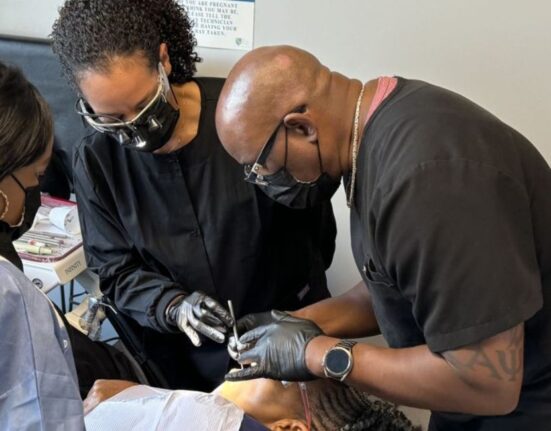

During my first visit to a mental health facility, I quietly observed a mental health technician comforting a distressed patient. There was no rush, no judgment—just patience and calm reassurance. That moment stayed with me because it showed how powerful simple human presence can be in someone’s recovery journey.
Mental health care is evolving, and roles like a mental health technician are becoming more essential than ever. These professionals provide direct support, stability, and human connection to patients facing emotional and psychological challenges. Their work often happens behind the scenes, yet it shapes patient experiences in meaningful ways every single day.
Mental health technician career guide explaining duties, skills, training, and growth opportunities in modern healthcare environments.
1. Understanding the Role of a Mental Health Technician

A mental health technician plays a vital and hands-on role in supporting individuals who are experiencing emotional, behavioral, or psychological challenges. This position is centered around direct patient care, which means professionals spend significant time interacting with individuals in hospitals, rehabilitation centers, and residential treatment facilities. Unlike administrative healthcare roles, this job focuses on observation, engagement, and consistent support. A mental health technician helps patients navigate daily life within a structured environment, ensuring routines are followed and emotional needs are addressed.
The responsibilities extend beyond basic assistance. A mental health technician works closely with psychiatrists, nurses, and therapists, contributing valuable observations that influence treatment decisions. By monitoring behavior, noting emotional changes, and documenting progress, they become an essential part of the care team. Their role is not just functional but deeply personal, as they often form meaningful connections with patients who rely on them for reassurance.
This position demands patience, empathy, and emotional intelligence. Patients may experience anxiety, depression, or more complex mental health conditions, requiring calm and understanding responses. Consistency is especially important, as predictable routines and familiar interactions can significantly reduce stress. By providing stability and compassionate care, a mental health technician supports recovery and helps create a safe, supportive healing environment.
2. Daily Responsibilities and Patient Interaction
The daily responsibilities of a mental health technician are diverse, requiring both flexibility and strong interpersonal skills. Each day presents new situations, as patients may have varying emotional states, needs, and responses to treatment. This dynamic environment makes the role both challenging and deeply meaningful. A mental health technician assists patients with essential daily activities such as eating, maintaining hygiene, attending therapy sessions, and participating in structured programs. These seemingly simple tasks are crucial for creating a sense of normalcy and stability in a patient’s life.
Observation is a central part of the job. A mental health technician must carefully monitor behavioral patterns, emotional changes, and social interactions. Even small shifts in mood or communication can provide important insights into a patient’s progress or challenges. These observations are documented and shared with the healthcare team, ensuring that treatment plans remain accurate and responsive.
Building trust is another key responsibility. Patients are more likely to engage in therapy and express their concerns when they feel respected and understood. This requires clear, calm, and supportive communication, especially during stressful moments. Additionally, maintaining safety is critical. A mental health technician must remain alert to prevent conflicts and respond quickly to emergencies, ensuring a secure and supportive environment for everyone involved.
3. Essential Skills Required for Success
Success as a mental health technician depends on a balanced combination of emotional intelligence, communication ability, and practical problem-solving skills. This role is not purely technical; it requires a deep understanding of human behavior and the ability to respond thoughtfully in complex situations. One of the most important skills is empathy. Being able to understand and relate to a patient’s feelings helps build trust and encourages open communication, which is essential for effective care.
Communication skills are equally critical. A mental health technician must be able to convey information clearly to both patients and healthcare professionals. This includes listening actively, interpreting non-verbal cues, and responding in a way that promotes comfort and clarity. Patience is another essential quality, especially when working with individuals who may struggle to express themselves or regulate their emotions.
Problem-solving abilities also play a major role. Unexpected situations can arise quickly, and a mental health technician must think on their feet while maintaining a calm and professional demeanor. Emotional resilience is equally important, as the role can be mentally demanding. By developing these skills, professionals can provide high-quality care while maintaining their own well-being and effectiveness in the workplace.
4. Educational Requirements and Training Pathways
Becoming a mental health technician is relatively accessible compared to many other healthcare careers, but it still requires dedication and a willingness to learn. Most positions require at least a high school diploma or equivalent, making it an attractive entry point for individuals interested in healthcare. However, additional education and training can significantly improve job prospects and career advancement opportunities. Many aspiring professionals choose to take courses in psychology, healthcare, or social work to build a foundational understanding of mental health conditions and patient care techniques.
On-the-job training is a major component of this career path. New employees often work under the supervision of experienced staff, gaining hands-on experience in real-world settings. This practical exposure helps them understand patient behavior, communication strategies, and safety protocols. Certifications such as CPR, first aid, or crisis intervention training are often required, ensuring that a mental health technician can respond effectively in emergency situations.
Continuing education is highly encouraged, as the field of mental health is constantly evolving. Many individuals use this role as a stepping stone toward advanced careers in nursing, counseling, or psychology. By combining formal education with hands-on experience, a mental health technician can build a strong and flexible career path within the healthcare industry.
5. Work Environments and Career Opportunities
A mental health technician can work in a wide range of environments, each offering unique challenges and opportunities for growth. These settings include psychiatric hospitals, residential treatment centers, rehabilitation facilities, outpatient clinics, and community mental health programs. Each environment requires a slightly different approach, as patient needs and treatment methods can vary significantly. This diversity allows professionals to gain valuable experience and develop a broad skill set.
Working in different environments helps a mental health technician understand various aspects of mental healthcare. For example, hospital settings may focus more on acute care, while community programs emphasize long-term support and integration. This exposure not only enhances professional skills but also provides insight into different treatment approaches and patient experiences.
Career opportunities in this field are expanding due to increased awareness of mental health issues. Many individuals use their experience as a mental health technician as a stepping stone to advanced roles such as nursing, counseling, or social work. The skills gained in this position—communication, empathy, and crisis management—are highly transferable and valuable in many healthcare careers. Overall, this role offers both stability and the opportunity for meaningful professional growth.
6. Importance of Communication in Patient Care
Communication is one of the most critical aspects of a mental health technician’s role, as it directly influences the quality of patient care and overall treatment outcomes. Effective communication goes beyond simply exchanging information; it involves building trust, understanding emotions, and responding appropriately to patient needs. A mental health technician must be able to listen actively, paying close attention to both verbal and non-verbal cues. This helps in identifying concerns that patients may not express directly.
Clear and consistent communication with the healthcare team is equally important. By accurately reporting observations and patient behaviors, a mental health technician ensures that treatment plans are well-informed and responsive. Miscommunication can lead to misunderstandings or delays in care, which can affect patient progress.
\Additionally, communication plays a key role in creating a supportive environment. Patients often feel more comfortable and engaged when they know they are being heard and respected. A calm and reassuring tone can help reduce anxiety and encourage participation in treatment. By mastering communication skills, a mental health technician can significantly enhance both patient experiences and overall care quality.
7. Handling Difficult Situations and Crisis Management
Working as a mental health technician often involves facing unpredictable and emotionally intense situations where patients may experience severe distress, agitation, or behavioral crises. In such moments, the ability to remain calm, composed, and professional becomes extremely important. A technician must rely on de-escalation techniques, such as using a calm tone of voice, non-threatening body language, and active listening to reduce tension and prevent situations from escalating further. Understanding patient triggers—whether emotional, environmental, or psychological—also plays a key role in anticipating and managing crises effectively before they become more serious.
In addition to individual skills, teamwork is essential during crisis situations. Mental health technicians work closely with nurses, psychiatrists, and other healthcare professionals to ensure patient safety and provide coordinated care. Quick communication and shared decision-making help manage emergencies more efficiently and reduce risks for both patients and staff. Over time, training and hands-on experience strengthen confidence, allowing technicians to respond more effectively under pressure. Ultimately, balancing safety with compassion ensures that patients feel supported, respected, and secure even during their most difficult moments.
8. Emotional Impact and Self-Care Importance

The role of a mental health technician can be emotionally demanding because it involves constant exposure to individuals who are experiencing psychological distress, trauma, or behavioral challenges. Providing continuous care and emotional support requires resilience, empathy, and strong self-awareness. Over time, this emotional involvement can lead to stress or compassion fatigue if not properly managed. Therefore, maintaining emotional balance is essential for long-term success in this profession.
Self-care plays a vital role in preventing burnout and maintaining mental well-being. Engaging in activities such as regular exercise, meditation, hobbies, or spending time with loved ones helps restore emotional energy and reduce stress levels. Equally important is the ability to seek support from colleagues and supervisors when situations become overwhelming. Sharing experiences within a professional environment can provide emotional relief and help technicians feel less isolated. Additionally, maintaining clear professional boundaries ensures that emotional involvement does not negatively impact personal well-being while still allowing compassionate and effective care.
9. Role in Supporting Patient Recovery
A mental health technician plays a crucial and supportive role in the recovery process of patients receiving mental health care. They provide consistent daily assistance, encouragement, and structure, which helps patients feel more stable and secure during treatment. Their presence often creates a sense of safety and familiarity, which is especially important for individuals dealing with anxiety, depression, or other psychiatric conditions. By following care plans and assisting with routine activities, technicians contribute directly to the therapeutic environment.
Beyond routine care, mental health technicians also make important observations about patient behavior, mood changes, and responses to treatment. These observations are communicated to the broader healthcare team and can influence treatment adjustments or interventions. This makes technicians a vital link between patients and clinical professionals. Their consistent support not only improves patient comfort but also enhances recovery outcomes by ensuring that patients remain engaged, monitored, and supported throughout their healing journey.
10. Safety Protocols and Patient Protection
Safety is one of the most important responsibilities of a mental health technician, as they work in environments where patient behavior can sometimes be unpredictable. Ensuring a secure and controlled environment helps protect both patients and staff from potential harm. Technicians are trained to closely monitor patient behavior, recognize warning signs of escalation, and respond appropriately using established safety procedures.
Key safety practices include maintaining a secure physical environment, following emergency response protocols, preventing conflicts between patients, and reporting any unusual or concerning behavior immediately. These steps help minimize risks and ensure that potential incidents are managed quickly and effectively. Safety is not only about physical protection but also about emotional security, as patients must feel safe and supported during treatment. By consistently following safety protocols, mental health technicians contribute to a structured and stable care environment that promotes healing and reduces risk.
11. Technology in Modern Mental Healthcare
Technology has become an increasingly important part of modern mental healthcare, significantly improving the efficiency and accuracy of patient care. Mental health technicians now regularly use electronic health records (EHRs), digital monitoring systems, and communication tools to track patient progress and document observations in real time. These systems reduce paperwork errors and ensure that all healthcare professionals have access to updated and accurate patient information.
In addition, technology improves communication between team members, allowing for faster decision-making and more coordinated care. Mental health technicians must be comfortable adapting to these digital tools in order to remain effective in their roles. As healthcare continues to evolve, technology will play an even greater role in enhancing patient outcomes, improving organization, and supporting more personalized care approaches in mental health settings.
12. Career Growth and Advancement Opportunities
A career as a mental health technician offers many opportunities for professional growth and advancement. With experience, additional training, and further education, individuals in this field can progress into more advanced healthcare roles such as psychiatric nursing, counseling, or behavioral health specialization. This position serves as a strong foundation for those who wish to build a long-term career in the healthcare industry.
Continuous learning is essential for career development in this field. Mental health technicians who actively seek training programs, certifications, and skill-building opportunities can expand their knowledge and increase their career prospects. Over time, experience in patient care, crisis management, and teamwork helps build a strong professional profile. This makes the role not only rewarding in the present but also valuable for future growth and advancement in the mental health sector.
13. Community Impact and Awareness
Mental health technicians play a meaningful role in improving community well-being by supporting individuals who are struggling with mental health conditions. Their work contributes to reducing stigma surrounding mental illness by providing compassionate care and demonstrating that recovery is possible with proper support and treatment. Through daily patient interactions, they help normalize conversations about mental health and encourage individuals to seek help without fear or shame.
By supporting patients in clinical and community settings, mental health technicians also help improve public understanding of mental health issues. Their presence in the healthcare system strengthens the bridge between professional treatment and community awareness. This ultimately contributes to a more informed, supportive, and empathetic society where mental health is treated with the same importance as physical health.
14. Expert Tips for Using Mental Health Technician Career Path
To succeed in a mental health technician career, it is important to develop strong interpersonal skills such as empathy, patience, and effective communication. These qualities allow professionals to build trust with patients and respond appropriately to a wide range of emotional and behavioral situations. Remaining calm and adaptable in challenging environments is also essential for providing consistent and reliable care.
In addition to soft skills, continuous learning plays a key role in long-term success. Mental health technicians should actively pursue training opportunities and stay updated on best practices in mental healthcare. Building strong professional relationships with colleagues also enhances teamwork and improves workplace efficiency. Finally, prioritizing self-care ensures emotional stability and prevents burnout, allowing technicians to maintain a fulfilling and sustainable career in the healthcare field.
15. Future of Mental Health Technician Careers
The future of the mental health technician profession is highly promising due to the growing global awareness of mental health issues and the increasing demand for qualified healthcare professionals. As societies become more open about mental health, the need for supportive roles like mental health technicians continues to expand in hospitals, rehabilitation centers, and community care facilities.
Advancements in healthcare technology and treatment methods are also creating new opportunities within this field. Mental health technicians will continue to play a vital role in patient care, recovery, and support services. With stable job prospects, opportunities for advancement, and the chance to make a meaningful impact on individuals’ lives, this career path offers both professional security and personal fulfillment for the future.
Conclusion
A mental health technician plays a vital role in supporting individuals through emotional and psychological challenges. Their work combines compassion, patience, and practical skills to create safe environments for healing. As demand for mental health services grows, this career offers stability and purpose. Choosing this path means contributing to better patient outcomes while building a meaningful and impactful professional journey in modern healthcare systems worldwide.
FAQ’s
1. What does a mental health technician do?
A mental health technician provides direct care, monitors patient behavior, and supports treatment plans in healthcare settings.
2. What skills are required?
Empathy, communication, patience, and problem-solving are essential for success.
3. Where can they work?
Hospitals, clinics, rehabilitation centers, and community programs.
4. Is this a stressful job?
It can be emotionally demanding but also highly rewarding.
5. What education is needed?
A high school diploma and training are typically required.
6. Can this lead to other careers?
Yes, such as nursing, counseling, or social work.
7. How do they help patients?
By providing daily support, monitoring progress, and offering emotional care.
8. Is certification required?
Basic certifications like CPR or first aid may be needed.
9. What is the future outlook?
Demand is growing due to increased mental health awareness.
Summary
A mental health technician supports patient care, safety, and recovery. This role requires empathy, communication, and resilience. With increasing demand, it offers strong career growth and meaningful impact. By helping individuals manage emotional challenges, technicians play a key role in improving mental health outcomes and strengthening healthcare systems.