
A few years ago, I started replacing sugary snacks with a health bar during long workdays, and the difference felt immediate. My energy stayed steadier, I snacked less impulsively, and I noticed I felt more satisfied between meals, especially when I chose bars with fiber and protein.
Modern life moves fast, and many people want quick, practical nutrition that fits busy schedules. A health bar has become a popular option for people seeking convenience, taste, and better choices compared to heavily processed snacks, especially when hunger strikes between meals or after exercise.
Learn how a health bar supports energy, nutrition, satiety, and smart snacking with practical tips, ingredients, benefits, and buying guidance.
1. Understanding What a Health Bar Really Offers
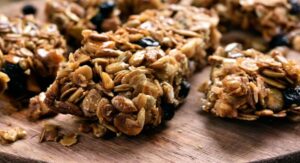
A health bar is often seen as a convenient snack, but its real value depends on ingredients, nutritional balance, and how it fits into your daily eating habits. Some bars are made with wholesome ingredients like oats, nuts, seeds, dried fruits, and natural sweeteners. Others are designed with added protein, fiber, vitamins, or functional ingredients to support specific goals such as post-workout recovery, meal support, or sustained energy during a busy day. What makes these bars appealing is the ability to carry them easily, store them in a bag, and enjoy them without preparation.
That convenience matters for students, office workers, parents, and travelers who may not always have access to fresh meals. However, not every bar marketed as healthy truly deserves that label. Some are loaded with added sugars, artificial flavors, and fillers that reduce their nutritional value. Reading the label becomes essential. A good bar should provide balanced energy without causing a sugar crash. It should complement a healthy diet rather than replace whole foods entirely. When used thoughtfully, this type of snack can support smarter eating, reduce cravings, and make daily nutrition more manageable for people with demanding routines and changing schedules.
2. Why Health Bars Became So Popular
The popularity of a health bar has grown because people want simple nutrition solutions that fit modern lifestyles. Many individuals rush through mornings, skip meals, commute long distances, or juggle work, school, and family obligations. In those situations, grabbing a balanced snack feels far more realistic than preparing something from scratch every single time. These bars offer portion control, portability, and often a cleaner ingredient profile than chips, candy, or pastries.
Fitness culture has also played a major role in the rise of bars. People looking for protein support, workout recovery, or convenient pre-exercise fuel often keep bars nearby because they are easy to use before or after physical activity. Social media and wellness trends have also helped reshape public perception, turning bars into lifestyle products associated with health goals, clean eating, and productivity. In addition, many brands now cater to specialized dietary needs such as gluten-free, vegan, low-sugar, keto-friendly, or high-protein preferences, which increases their appeal to broader audiences.
The variety in flavor, texture, and purpose makes them accessible to many people. While convenience is a major reason for their popularity, the real staying power comes from their ability to fill a practical gap between hunger, time pressure, and the desire to make better nutrition choices in everyday life.
3. Key Ingredients That Make a Good Health Bar
When choosing a health bar, the ingredient list often reveals more than the front label. Many bars use marketing phrases like natural, clean, or energy boosting, but the real nutritional quality is hidden in the details. Whole-food ingredients usually offer the best foundation because they provide natural nutrients, fiber, and better satiety.
Oats are a common base because they supply complex carbohydrates and support steady energy. Nuts and seeds contribute healthy fats, minerals, and protein, while dried fruits can add sweetness and micronutrients without relying entirely on refined sugar. Protein sources such as whey, pea protein, soy protein, or nut butters can improve fullness and muscle recovery, especially for active individuals. Fiber is another important component because it slows digestion, supports gut health, and reduces the rapid blood sugar spikes associated with highly processed snacks. Bars with simple, recognizable ingredients are often easier to trust than those filled with syrups, isolates, and long chemical names.
Expert Tips for Using a Health Bar Ingredient Label
- Check the first three ingredients because they make up most of the bar.
- Look for protein and fiber together for better satiety and steadier energy.
- Avoid bars where sugar or syrup appears multiple times under different names.
- Choose bars with ingredients you can recognize and understand.
- Match ingredients to your goal, whether it is energy, fullness, or recovery.
A good bar should nourish rather than simply satisfy a sweet craving under a healthier label.
4. Nutritional Benefits of Choosing the Right Bar
A carefully selected health bar can provide real nutritional benefits when used wisely. One of the most important advantages is convenience paired with structure. Instead of reaching for highly processed snacks full of refined flour and sugar, a well-formulated bar can deliver protein, fiber, healthy fats, and complex carbohydrates in one compact serving. This combination supports more stable energy levels and can help prevent overeating later in the day.
Protein is especially useful for maintaining fullness, supporting muscle repair, and improving satisfaction after snacking. Fiber helps digestion and slows the release of glucose into the bloodstream, which can reduce sudden hunger spikes. Healthy fats from nuts and seeds contribute flavor, texture, and longer-lasting satiety. Some bars also include micronutrients like iron, magnesium, calcium, or B vitamins, which can be helpful for people with limited time to plan snacks carefully.
For athletes or busy professionals, bars may serve as a bridge between meals or as an emergency backup when schedules become unpredictable. Still, the best nutritional results happen when a bar is part of an overall balanced eating pattern. It should not become a daily replacement for fresh meals, fruits, vegetables, and minimally processed foods. Used intentionally, a good bar can improve snack quality, support energy, and help people make more consistent nutrition choices.
5. How to Choose the Best Health Bar Daily
Choosing the best health bar each day depends on your goal, your schedule, and the ingredients that matter most to your body. Not every bar is ideal for every situation. Some work better as a quick breakfast backup, while others are more useful before a workout, after exercise, or as a midday snack between meetings.
The best approach is to compare bars by reading labels instead of relying only on branding or packaging claims. Focus on nutritional balance, not just calorie count. A lower-calorie bar may still leave you hungry if it lacks protein and fiber. Also consider whether the bar matches your dietary preferences, allergies, and digestion needs. Texture and flavor matter too, because even a nutritious product is not useful if you never enjoy eating it. Consistency in smart choices becomes easier when you find a few reliable options that match your routine and personal taste.
Smart Daily Selection Checklist
- Choose bars with 8–15 grams of protein if you want stronger satiety.
- Look for at least 3–5 grams of fiber for steadier energy support.
- Keep added sugar as low as possible, especially for routine snacking.
- Avoid overly long ingredient lists packed with syrups and fillers.
- Pick flavors you genuinely enjoy so healthy habits feel sustainable.
What to Compare Before Buying
Check serving size first because small bars can appear healthier than they really are.
Compare sugar, protein, and fiber side by side for a clearer picture.
Notice whether the bar is meant for snacks, meal support, or sports recovery.
Review allergens like dairy, soy, peanuts, or gluten if needed.
Read reviews or test small packs before buying in bulk.
A thoughtful buying habit helps transform a simple bar into a reliable wellness tool.
6. Health Bars for Busy Professionals and Students
For professionals and students, a health bar can be one of the most practical tools for managing hunger and energy across demanding days. Long classes, back-to-back meetings, commuting, and unpredictable breaks often lead people to skip meals or reach for vending machine snacks. This is where bars become useful because they require no preparation, travel easily, and can sit in a backpack, desk drawer, or car without much hassle.
A balanced bar can prevent the intense hunger that often leads to overeating later, especially in the evening. It also supports concentration when paired with water, coffee, tea, or fruit. For students, bars can be helpful before exams, after sports practice, or between lectures when cafeteria access is limited. For office workers, they can serve as a backup during delayed lunches or late afternoons when energy tends to drop. The key is choosing bars that provide steady fuel rather than quick sugar spikes.
Protein, fiber, and healthy fats are especially helpful for sustained focus. Although bars should not replace regular meals long term, they can reduce the chaos of rushed eating and support better decisions under pressure. When used strategically, they help busy people stay more consistent with nutrition without adding extra complexity to already full schedules.
7. Are Health Bars Good for Weight Management
A health bar can be helpful for weight management, but success depends on how it is used and what kind of bar you choose. Many people assume all bars support fat loss simply because they are sold in the wellness aisle, yet some contain as much sugar and calories as desserts. For weight management, the best bars usually offer moderate calories, good protein, useful fiber, and enough flavor to feel satisfying without triggering cravings.
When a bar helps control hunger between meals, it may reduce impulsive snacking and prevent overeating later. This can be especially useful for people with busy schedules who often miss planned meals and then feel ravenous. Protein contributes to fullness, while fiber slows digestion and supports appetite control. Portion control is another benefit because bars come in pre-measured servings, making them easier to track than loose snacks like trail mix or crackers.
Best Ways to Use Bars for Weight Goals
Use a bar as a planned snack, not as a random extra treat.
Pair it with water or fruit for more satisfaction if needed.
Avoid bars with dessert-like sugar levels if fat loss is your goal.
Use bars to prevent binge eating during long gaps between meals.
Track how different bars affect your hunger and cravings afterward.
Weight management works best when bars support a balanced routine, not when they replace mindful eating or whole-food meals consistently.
8. The Difference Between Protein Bars and Health Bars

Many people use the terms protein bar and health bar interchangeably, but they are not always the same. A protein bar is usually designed with a stronger focus on delivering higher protein content, often to support exercise recovery, muscle maintenance, or satiety. These bars may contain whey, soy, pea protein, collagen, or blended protein sources.
Can be excellent after workouts or as a more filling snack, but some are heavily processed and include sugar alcohols or artificial sweeteners that may cause digestive discomfort for certain people. A general wellness bar, on the other hand, may focus more on whole-food ingredients, moderate energy, fiber, and convenience rather than maximizing protein alone. It might contain oats, nuts, seeds, fruit, and natural binders that make it feel closer to a balanced snack.
The right choice depends on purpose. If you need post-workout recovery or stronger fullness, a protein-focused bar may be ideal. If you want a quick office snack or light breakfast support, a more balanced wellness-style bar may work better. Neither category is automatically superior. What matters is whether the bar matches your needs, digestion, and daily routine. Understanding this difference helps shoppers avoid confusion and make more intentional decisions instead of buying based only on labels or trendy packaging.
9. Common Mistakes People Make When Buying Bars
Buying a health bar seems simple, yet many people make avoidable mistakes that reduce the nutritional benefit. One common issue is trusting the front of the package too much. Words like natural, fit, clean, or wholesome can create a healthy impression even when the bar contains high amounts of added sugar, low fiber, and minimal real nutrition.
Another mistake is focusing only on calories. A low-calorie bar may look like a smart option, but if it lacks protein and fiber, it may leave you hungry quickly and lead to more snacking later. Some people also ignore serving size, not realizing that tiny bars can distort the nutrition panel and make comparisons misleading. Taste can be another trap. Bars that feel like candy often become easy to overconsume, especially if they are marketed as guilt-free treats.
Digestive issues are also overlooked; sugar alcohols, chicory root, or certain protein blends may cause bloating for some people. Price is another factor, because expensive does not always mean better. The smartest strategy is to compare bars using the same standards each time: ingredients, protein, fiber, sugar, calories, and purpose. Once you learn how to evaluate them consistently, buying becomes less emotional and more practical, helping you build a snack routine that truly supports your health goals.
10. Best Times to Eat a Health Bar Smartly
Timing matters when using a health bar, because the same bar can feel helpful in one situation and unnecessary in another. Bars work best when they solve a real nutrition gap rather than becoming a mindless habit. For example, eating one during a long commute, between classes, before a delayed lunch, or after a workout can make sense because it prevents excessive hunger and supports energy.
Some people also use bars as a backup breakfast on rushed mornings, although this should ideally be occasional rather than the norm. The key is understanding why you are reaching for it. If you are truly hungry and need convenient fuel, a bar can be useful. If you are simply bored or craving sweets, it may be better to pause and choose more intentionally.
Smart Timing for Better Results
- Before a workout if you need light, quick fuel.
- After exercise when you want convenient protein support.
- Mid-morning between breakfast and lunch during busy schedules.
- Mid-afternoon to avoid energy crashes and impulsive snacking.
- During travel when fresh meal options are limited or delayed.
When a Bar Is Better Than Skipping Food
A bar is often better than going many hours without eating and then overeating later.
It helps maintain energy during meetings, classes, or travel delays.
It can reduce poor last-minute food choices in stressful moments.
It offers structure when you cannot access a balanced meal.
It works best when used intentionally, not automatically every day.
Using the right timing can make a bar feel less like a processed snack and more like a practical nutrition strategy.
11. Expert Tips for Using Health Bars Effectively
Using a health bar effectively is about strategy, not just convenience. First, treat bars as supportive tools rather than miracle foods. They work best when they fill gaps in your schedule, not when they become a substitute for regular meals built around fresh ingredients. Keep two or three trusted options available in places where hunger usually catches you off guard, such as your work bag, car, desk, or gym locker. Rotate flavors so you do not get bored and fall back into less nutritious snacks. Pay attention to how different bars make you feel. Some may leave you energized and satisfied, while others may trigger cravings or digestive discomfort.
Pairing a bar with water can improve fullness, and in some cases, adding fruit or yogurt can turn it into a more complete mini-meal. Avoid eating bars mindlessly while scrolling or working, because this can reduce satisfaction and make it easier to want another snack soon after. If your goal is weight management, choose bars with balanced macros and use them in planned moments. If your goal is performance, prioritize protein and recovery support. A little experimentation helps you find what truly works. Smart usage turns a simple snack into a reliable, flexible part of a healthier lifestyle that fits real-world routines.
12. Homemade vs Store-Bought Health Bars
Both homemade and store-bought options can work well, but the better choice depends on time, budget, preferences, and nutritional goals. A homemade health bar gives you full control over ingredients, sweetness, allergens, and texture. You can use oats, nut butter, seeds, dried fruit, protein powder, dark chocolate, or spices to create a bar that matches your needs. This approach can reduce added preservatives and help you avoid ingredients that upset digestion.
Homemade bars may also cost less over time, especially if you prepare large batches. However, they require planning, storage, and consistency, which can be difficult for busy people. Store-bought bars offer unmatched convenience and portability. They are easy to compare, easy to stock, and ideal for travel or emergencies. Many modern brands now offer cleaner ingredient profiles than in the past, making them more reliable than older candy-like options.
The downside is that some still rely on syrups, sweeteners, and marketing language that can mislead buyers. The best solution for many people is a combination approach: keep high-quality store-bought bars for busy days and use homemade versions when you want more ingredient control. This balanced strategy gives you flexibility without forcing perfection. Ultimately, the right choice is the one you can use consistently while staying aligned with your health priorities and daily lifestyle.
13. Health Bars for Families and Different Age Groups
A health bar can fit many age groups, but needs vary depending on activity level, appetite, dietary preferences, and overall health goals. For children, bars should be chosen carefully because some products contain too much sugar, caffeine-like stimulants, or overly intense protein formulas that are unnecessary for growing kids.
Simpler bars with oats, nut butters, seeds, and modest sweetness often work better. Teenagers may benefit from bars during school, sports practice, or busy extracurricular schedules, especially when they need convenient fuel between activities. Adults often use bars for work, exercise, or travel, while older adults may appreciate softer-texture options that are easy to chew and digest. Family use works best when bars are treated as supportive snacks rather than replacements for real meals.
Choosing Bars for Different Household Needs
- Children often do best with simpler ingredients and lower sugar levels.
- Teens may need slightly more calories for sports, growth, and longer days.
- Adults benefit from protein and fiber for appetite and energy support.
- Older adults may prefer softer bars with digestible ingredients and steady energy.
- All family members should choose bars based on actual needs, not marketing hype.
When families understand these differences, bars become more useful and less confusing. The right match improves convenience, reduces poor snack choices, and supports nutrition in realistic, age-appropriate ways across the household.
14. Building a Smarter Snack Routine with Bars
Creating a smarter snack routine with a health bar starts with planning rather than impulse. Most people do not struggle because healthy snacks do not exist; they struggle because hunger appears when time, access, and energy are low. That is why keeping a small stash of reliable bars can help prevent chaotic food decisions. Start by identifying your most vulnerable moments: late afternoon energy crashes, long commutes, school pickups, gym sessions, or travel delays.
Then match those moments with bars that serve a purpose. For example, a lighter fruit-and-oat bar may work mid-morning, while a higher-protein option may be better after a workout or before a long meeting. Rotate bars with whole-food snacks like apples, yogurt, nuts, boiled eggs, or hummus so you do not become overly dependent on packaged products.
Store bars where they are easy to access, but not so visible that you eat them out of habit. Building a routine also means paying attention to satisfaction. If a bar leaves you hungry within thirty minutes, it may not be the right one for that situation. Small adjustments matter. A structured snack system reduces stress, supports consistency, and helps people stay aligned with health goals even when life gets busy, messy, or unpredictable.
15. Final Thoughts on Making Health Bars Work
A health bar can be a smart, practical addition to a balanced lifestyle when used with awareness and purpose. It is not a perfect food, and it should never be seen as a replacement for fruits, vegetables, whole grains, and well-rounded meals. Still, its convenience makes it valuable in real life, especially for people who face long workdays, rushed mornings, travel, or frequent schedule disruptions. The best bars offer a balance of protein, fiber, healthy fats, and recognizable ingredients that support energy and satisfaction.
The biggest advantage is consistency. When you have better options available, you are less likely to fall into the trap of vending machine snacks, fast food, or sugary cravings. Over time, that consistency can make a meaningful difference in energy, appetite control, and overall nutrition quality. The key is to stay intentional, compare labels, and use bars as supportive tools rather than emotional comfort foods. With the right mindset, a bar can become one of the easiest ways to improve daily snacking habits without adding extra stress, complicated meal prep, or unrealistic wellness pressure to your already busy life.
Conclusion
A health bar is most valuable when it solves a real problem: busy schedules, missed meals, or poor snack choices. The smartest approach is to focus on ingredients, protein, fiber, and purpose instead of marketing claims. Used wisely, bars can support energy, appetite control, and better consistency. They are not magic, but they can be practical, effective, and genuinely helpful when included as part of a balanced, realistic wellness routine.
FAQ’s
1. Is a health bar actually healthy for everyday snacking?
A health bar can absolutely be healthy for everyday snacking, but only if you choose one with a balanced nutritional profile. The best bars usually include protein, fiber, and whole-food ingredients such as oats, nuts, seeds, or dried fruit. These ingredients support steady energy and help you stay full longer. However, some bars are heavily processed and contain high sugar levels, syrups, or artificial additives. Those options may feel more like candy than a nutritious snack. If you plan to eat bars regularly, read labels carefully and choose ones that match your goals.
2. Can a health bar replace a meal when I am busy?
A health bar can work as an occasional meal backup, especially during travel, hectic mornings, or delayed lunches. However, it should not become your main meal replacement every day. Most bars do not provide the full variety of nutrients that a balanced meal offers, such as fresh vegetables, hydration, and larger portions of whole foods. If you must use one as a temporary meal solution, choose a more filling bar with higher protein and fiber, and if possible, pair it with fruit, yogurt, or a drink for better balance.
3. What should I look for first on a health bar label?
Start with the ingredient list and the protein-fiber-sugar balance. A strong health bar usually has recognizable ingredients near the top, such as oats, nuts, seeds, or nut butter. After that, check whether it contains enough protein to satisfy you and enough fiber to slow digestion. Also pay attention to added sugars. Some bars list sugar in several forms, including syrups, cane sugar, honey, or concentrates. The simpler the ingredient list and the more balanced the nutrition panel, the more likely the bar is to be genuinely useful.
4. Are health bars good for weight loss or weight control?
A health bar can support weight control when used strategically, especially as a planned snack that prevents overeating later. Because bars are pre-portioned, they can help people manage portions more easily than many loose snack foods. Still, not every bar supports fat loss. Some are calorie-dense and loaded with sugar, which can increase cravings rather than reduce them. For weight goals, look for moderate calories, decent protein, helpful fiber, and low added sugar. Most importantly, use the bar as part of an overall plan, not as a magic shortcut.
5. Is there a difference between an energy bar and a health bar?
Yes, there can be a difference. An energy bar is often designed to provide quick fuel, especially before activity, hiking, endurance sports, or long work sessions. A health bar is a broader category and may focus more on balanced snacking, whole ingredients, satiety, or general wellness. Some energy bars contain more carbohydrates and sugars for fast fuel, while some wellness-focused bars emphasize protein, fiber, and ingredient quality. The labels may overlap, so it is always better to judge the nutrition facts and ingredients than to trust the category name alone.
6. Can kids eat health bars safely?
Children can eat at a health bar, but parents should choose carefully. Many bars made for adults contain too much protein, too much sugar, or ingredients that are not ideal for younger children, such as strong sweeteners or caffeine-related additives. Simpler bars with oats, nut butter, fruit, and moderate sweetness are usually better options. Portion size also matters because some bars are designed for adults and may be too large or too dense for a child’s snack. As with any packaged food, bars should support a healthy diet, not replace balanced meals or fresh foods.
7. When is the best time to eat at a health bar?
The best time depends on why you are using it. A health bar works well when you need convenient fuel during a long gap between meals, before or after exercise, while traveling, or during a busy work or school day. It can also be helpful during the afternoon when energy tends to drop and cravings increase. Timing matters because bars are most useful when they prevent poor choices or support a real need. If you eat them automatically without hunger, they may become an unnecessary extra rather than a helpful nutrition tool.
8. Are homemade bars better than store-bought bars?
Homemade bars can be better if you want full control over ingredients, sweetness, allergens, and texture. You can customize a health bar recipe to fit your goals and avoid ingredients you do not like. That said, store-bought bars are often more convenient and portable, which makes them practical for busy people. Many modern brands now offer good-quality options with cleaner ingredients. The best choice depends on your lifestyle. If you enjoy food prep, homemade may be ideal. If convenience matters more, a high-quality store-bought option can still be a smart choice.
9. How many health bars should I eat in one day?
Most people do best with one health bar when it serves a specific purpose, such as a snack, workout support, or an occasional meal backup. Eating multiple bars daily can add up in calories, sweeteners, and processed ingredients, even if the bars are marketed as healthy. If you find yourself relying on several bars every day, it may be a sign that your meals are not satisfying enough or your routine needs better snack planning. Bars are best used as helpful tools, not as the foundation of your diet.
Summary
A health bar can be a convenient and useful snack when chosen carefully and used intentionally. The best options support energy, fullness, and smarter eating with balanced ingredients like protein, fiber, and healthy fats. When matched to your routine and goals, bars can improve daily nutrition without replacing whole, fresh meals.