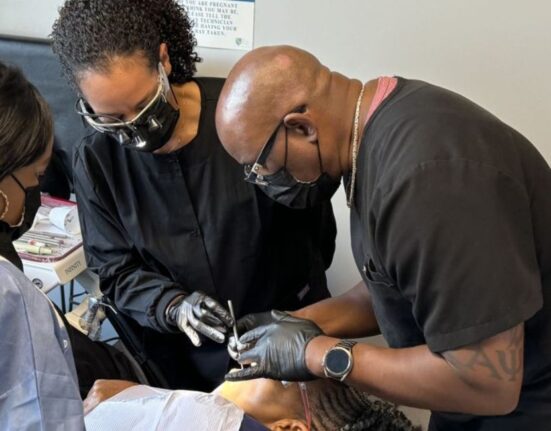

When I first visited a rural health awareness camp, I noticed one woman moving quietly from family to family, explaining vaccines, pregnancy care, and hygiene in simple words. She was not a doctor, yet everyone trusted her. That day, I truly understood how one dedicated community worker can become the heartbeat of local healthcare and change lives through consistency, compassion, and practical support.
In many villages and underserved communities, health systems do not always begin inside hospitals or clinics. They often begin at the doorstep, in conversations, and in trusted guidance from familiar faces. That is exactly why the accredited social health activist remains one of the most important links between public healthcare services and ordinary families who need timely support.
Learn how an accredited social health activist improves rural healthcare, maternal support, awareness, and trust in underserved communities.
1. Understanding the Meaning of an Accredited Social Health Activist

An accredited social health activist is a trained community health worker who acts as a bridge between the public healthcare system and people living in rural or underserved areas. This role is especially significant because many families do not always have quick access to hospitals, medical professionals, or accurate health information. In such cases, the accredited social health activist becomes a familiar and trusted figure who helps households understand basic healthcare, prevention, maternal support, child wellness, and public health services.
The role is not limited to giving advice. An accredited social health activist often helps women access prenatal care, encourages vaccination schedules, supports newborn health monitoring, and guides people toward nearby health centers when serious medical help is needed. In many communities, she is the first person families speak to when they have questions about hygiene, nutrition, fever, childbirth, or government health programs.
What makes this role so powerful is the human connection. Unlike formal institutions that may feel distant, the accredited social health activist is embedded in the daily life of the community. She understands local customs, language, fears, and barriers. Because of that, her communication is often more effective than general public campaigns. Her presence turns healthcare into something practical, personal, and accessible rather than intimidating or confusing.
2. Why This Role Matters in Rural and Underserved Areas
The importance of an accredited social health activist becomes most visible in places where healthcare access is limited by distance, poverty, social stigma, or lack of awareness. In many rural regions, families may delay treatment because the clinic is too far, transport is expensive, or they simply do not know when a symptom is serious. In these moments, the accredited social health activist becomes an early line of defense against avoidable illness and preventable complications.
This role matters because healthcare is not only about hospitals. It is also about trust, timing, and information. A community worker who visits homes can identify warning signs long before a crisis develops. For example, she may notice that a pregnant woman is missing checkups, a newborn is underweight, a child has skipped immunizations, or a family lacks safe sanitation habits. Small interventions at the right time can prevent much larger problems later.
Another reason this role is essential is cultural acceptance. Many people are more willing to ask sensitive questions about pregnancy, menstruation, family planning, or infant feeding when speaking to someone they know personally. That comfort can lead to earlier care and healthier decisions. In underserved settings, the accredited social health activist does far more than share information. She reduces fear, breaks silence around taboo health topics, and helps families feel that healthcare belongs to them, not just to distant institutions.
3. Core Responsibilities in Everyday Community Health Work
The daily work of an accredited social health activist is broad, practical, and deeply people-centered. She is not confined to one task or one health topic. Instead, her responsibilities often span maternal care, child health, vaccination awareness, sanitation education, nutrition guidance, disease prevention, and referral support. This flexibility is exactly what makes the role so valuable in community settings where many health concerns overlap and families need guidance that feels simple and immediate.
A typical day may include home visits, conversations with pregnant women, reminders about antenatal checkups, encouragement for institutional deliveries, and follow-up with new mothers after childbirth. She may also help families understand the importance of breastfeeding, safe drinking water, oral rehydration, and recognizing danger signs such as fever, dehydration, or breathing difficulty. In many places, she supports community health campaigns and helps mobilize residents during immunization drives or awareness programs.
Daily duties that build long-term trust
What makes these responsibilities meaningful is repetition and consistency. Families begin to rely on her because she is present before, during, and after important health events. She is often the one who checks in, reminds, encourages, and reassures.
This repeated contact creates long-term trust. Over time, the accredited social health activist becomes more than a messenger of health programs. She becomes someone families associate with care, guidance, and problem-solving. That ongoing relationship can improve public health outcomes in ways that occasional medical visits alone often cannot achieve.
4. How Community Trust Makes This Role Powerful
One of the greatest strengths of an accredited social health activist is trust. In healthcare, information only works when people believe it, understand it, and feel safe enough to act on it. A village family may ignore a government poster or delay visiting a clinic, but they are much more likely to listen when advice comes from someone they know personally. That is the hidden power of community trust.
Trust develops because the accredited social health activist is not a distant authority figure. She often lives in or near the same community, understands the local language, and knows the everyday struggles people face. She may know which families need extra support, which mothers are anxious about childbirth, and which elders resist medical advice due to long-held beliefs. This local understanding allows her to communicate in a way that feels respectful instead of forceful.
Trust also grows through reliability. When a health worker follows up after delivery, reminds a mother about immunization, or helps a family access care during an emergency, people remember that support. Those small acts build credibility over time. In communities where misinformation and hesitation can delay treatment, trust can save lives. It helps turn awareness into action. That is why the success of many public health programs depends not only on policies or funding, but also on the human relationships that an accredited social health activist builds day after day.
5. Maternal and Child Health Support at the Grassroots Level

Maternal and child health is one of the most important areas where an accredited social health activist creates a life-changing impact. Pregnancy, childbirth, and early childhood are critical stages where even small delays in care can lead to serious complications. In many communities, women may not seek timely support because of fear, financial concerns, or family pressure. The accredited social health activist helps close that gap by offering direct guidance, reminders, and emotional reassurance at the household level.
She often works closely with expectant mothers from the early stages of pregnancy. Her role may include encouraging antenatal visits, explaining nutritional needs, promoting iron and folic acid intake, discussing safe delivery options, and identifying warning signs such as swelling, bleeding, weakness, or reduced fetal movement. After childbirth, she may continue support through newborn monitoring, breastfeeding education, postnatal check-ins, and vaccination follow-up.
Key maternal and child health actions
Here are five essential ways she supports mothers and children:
- Encourages regular antenatal checkups and safe pregnancy monitoring
- Promotes institutional deliveries and skilled birth support
- Guides mothers on breastfeeding and newborn care practices
- Tracks immunization schedules for infants and young children
- Identifies early warning signs that require urgent referral
These actions may seem basic, but in real life they can prevent infections, complications, and delayed treatment. At the grassroots level, practical support often matters more than complex messaging. That is why the accredited social health activist remains central to safer motherhood and healthier childhood outcomes.
6. The Link Between Health Education and Prevention
Prevention is often the most overlooked part of healthcare, yet it is where an accredited social health activist delivers some of the strongest long-term value. Many illnesses in rural and low-resource settings become dangerous not because they are impossible to manage, but because people do not receive timely information. Health education at the household level changes that. It helps families recognize risks before those risks become emergencies.
The accredited social health activist often teaches communities about hygiene, sanitation, handwashing, nutrition, safe water, menstrual health, family planning, immunization, and early symptom awareness. These conversations may sound simple, but they can dramatically reduce infections, malnutrition, diarrheal disease, maternal complications, and childhood illness. In places where formal health campaigns do not always reach people clearly, face-to-face education is powerful.
What makes prevention work is relevance. A community worker can explain health ideas in the local language, using familiar examples. Instead of abstract medical advice, she may connect guidance to daily routines—how to store water safely, how to manage fever early, why mosquito control matters, or when a cough becomes dangerous. This practical approach makes people more likely to change behavior. Over time, health education builds healthier habits across entire families. That is why the accredited social health activist is not just helping after illness appears. She is helping stop many problems before they begin.
7. Supporting Immunization and Public Health Campaigns
Immunization programs are among the clearest examples of how an accredited social health activist strengthens public health from the ground up. Vaccines save lives, but their success depends on awareness, trust, follow-up, and community participation. In many areas, families miss vaccines not because they oppose them, but because they forget dates, fear side effects, or lack transport. The accredited social health activist helps solve these practical barriers through consistent engagement.
She may go door to door to remind parents about scheduled vaccination days, explain why certain vaccines matter, and calm fears about mild post-vaccine reactions. She can also help identify children who have missed doses and encourage families to complete the full schedule rather than stopping after the first visit. In outbreak situations or seasonal public health drives, her role becomes even more important because quick community mobilization can prevent wider spread.
Why immunization outreach works better locally
Local outreach works because it combines education with trust. Parents are often more comfortable asking questions when they can speak to someone they already know. That comfort reduces hesitation and improves follow-through.
The same strength applies beyond vaccines. The accredited social health activist may also support sanitation drives, nutrition campaigns, malaria awareness, tuberculosis screening, or health camps. Her ability to mobilize people is often the difference between a campaign that exists on paper and one that actually reaches families. In public health, participation matters. She helps turn public health goals into real action at the village level.
8. Challenges Faced in Real-World Field Conditions
Although the work of an accredited social health activist is highly valuable, it is not easy. Many people admire the role but underestimate the challenges that come with working in real communities under real constraints. Field conditions can be physically exhausting, emotionally demanding, and sometimes frustrating. The worker may walk long distances, visit remote households, handle resistance from families, and operate with limited resources or delayed support.
One common challenge is social hesitation. Some families may not trust modern health advice immediately. Others may follow traditional beliefs that conflict with recommended care. In such situations, the accredited social health activist must be patient, respectful, and persistent rather than confrontational. Building acceptance can take weeks or even months. Another challenge is workload. She may be expected to support maternal health, child wellness, sanitation awareness, record-keeping, referrals, and campaign mobilization all at once.
There can also be emotional strain. Seeing preventable illness, delayed care, or high-risk pregnancies can be deeply stressful, especially when families refuse help or systems move slowly. Yet she must keep showing up with calmness and compassion. These realities matter because they remind us that community health work is not just noble—it is demanding. The impact is real, but so are the obstacles. Understanding those challenges helps people appreciate the resilience and dedication behind the role.
9. Skills That Make a Great Community Health Worker
Not every health worker becomes equally effective, and that is why the success of an accredited social health activist often depends on a specific mix of human and practical skills. Training matters, but personality and communication style also play a huge role. A strong community health worker is not simply someone who knows facts. She is someone who can turn facts into action by helping people feel informed, respected, and supported.
Communication is perhaps the most important skill. She must explain medical ideas in plain language without sounding intimidating or overly technical. Listening is equally important. Families often reveal the real issue only when they feel heard. A mother may say she missed a clinic visit, but the deeper problem may be fear, money, transport, or family pressure. Good listening helps uncover barriers that basic instruction alone cannot solve.
Patience and emotional intelligence are also essential. Behavior change rarely happens instantly. People may repeat unhealthy habits even after receiving advice. The accredited social health activist must remain steady, encouraging, and culturally sensitive. Organization is another key strength because she may need to track pregnancies, immunization schedules, follow-up visits, and referrals across many households. Finally, reliability builds trust. When she says she will return, families remember whether she does. In community health, credibility is built less by authority and more by consistency, empathy, and practical problem-solving over time.
10. How Government Health Programs Depend on Local Workers
Many public health programs look strong on paper, but their real success often depends on whether an accredited social health activist can bring them into daily community life. Governments can create policies, fund campaigns, and design awareness initiatives, but families still need someone local to explain those services, encourage participation, and reduce hesitation. Without that final human connection, even well-designed programs can fail to reach the people who need them most.
An accredited social health activist helps translate policy into action. She can explain maternal schemes, immunization schedules, nutrition support, sanitation goals, and referral pathways in a way that makes sense to ordinary households. She also helps identify who is missing out—pregnant women who skipped checkups, children who missed vaccines, or families unaware of free health services. That local visibility is something large systems alone cannot easily provide.
Five ways local workers strengthen government programs
Here are five major ways local workers make public health programs more effective:
- Increase awareness of free or low-cost government health services
- Encourage participation in vaccination and maternal care initiatives
- Help track vulnerable families needing follow-up support
- Improve communication between clinics and households
- Reduce fear, myths, and misinformation about public programs
These contributions may seem simple, but they are essential. A government scheme becomes meaningful only when people actually use it. The accredited social health activist is often the reason a public health plan moves beyond paperwork and becomes a real benefit in the lives of families.
11. The Social Impact Beyond Basic Medical Guidance
The influence of an accredited social health activist goes far beyond reminders about clinics or vaccines. In many communities, she becomes part of a broader social shift toward healthier, more informed living. Her presence can change how families think about women’s health, newborn care, hygiene, nutrition, and even the value of seeking help early. This is where the role becomes more than healthcare support—it becomes social transformation.
For example, when a woman learns that regular prenatal care matters, that change may also increase her confidence in speaking up about her own needs. When a family begins following vaccination schedules, they may also become more open to school-based health education. When safe sanitation becomes a community conversation, it can reduce illness while also improving dignity and living conditions. These ripple effects are often invisible at first, but they build over time.
The accredited social health activist also helps normalize discussions that were once avoided. Topics like menstrual health, breastfeeding, postpartum recovery, and family planning can be sensitive in many households. A trusted community worker can create space for those conversations without shame or fear. That matters because silence often leads to poor outcomes. By helping people talk openly and act earlier, she strengthens not only individual health but also community confidence. In that way, her work influences behavior, attitudes, and everyday decision-making far beyond one clinic visit.
12. Training, Knowledge, and Ongoing Learning Needs
The effectiveness of an accredited social health activist depends heavily on training and ongoing learning. While community trust is a major strength, trust alone is not enough. To guide families responsibly, she needs accurate, updated, and practical knowledge. Health information changes over time, and public health priorities can shift depending on local disease patterns, seasonal outbreaks, maternal risks, or new government programs. That is why continuous learning is essential.
Initial training usually helps build a foundation in maternal care, child health, nutrition, sanitation, immunization, referral systems, and basic symptom recognition. However, real fieldwork often presents situations that are more complex than classroom lessons. Families may ask difficult questions, resist advice, or face overlapping issues such as malnutrition, poverty, and delayed access to care. In these cases, the accredited social health activist benefits from refresher sessions, mentoring, and real-world case discussions.
Ongoing training also builds confidence. When health workers feel unsure, they may hesitate to act or may struggle to answer community concerns. Better training helps them communicate more clearly and make stronger referrals. It also improves record-keeping, follow-up discipline, and program coordination. In many systems, the most effective community workers are not just those who care deeply, but those who keep learning. A well-supported accredited social health activist can adapt better, respond faster, and serve communities with far greater confidence and consistency.
13. How This Role Empowers Women in Communities
An accredited social health activist does more than improve public health. She often becomes a visible example of women’s leadership within the community. In many traditional or underserved settings, women may not always be seen as decision-makers in public life. But when one woman becomes a trusted source of health knowledge, emergency guidance, and family support, perceptions begin to shift. That change can be powerful.
Her work gives her a respected voice. Families may consult her about pregnancy, child health, sanitation, and health programs. That trust can increase her social standing and influence. Younger girls may see her as proof that women can lead with knowledge and service. Other women may feel more confident asking questions, attending clinics, or making health decisions because they see someone from their own background doing meaningful work.
Empowerment through service and visibility
Community health work often creates a unique form of empowerment. It is not always loud or political, but it is deeply practical. A woman who helps others navigate care becomes part of the local decision-making fabric.
This visibility matters. The accredited social health activist shows that leadership can grow from compassion, discipline, and local knowledge. By helping mothers, children, and families, she also challenges narrow expectations about women’s roles. In many cases, her work improves not only community health outcomes but also community attitudes toward women’s education, participation, and leadership in everyday life.
14. Expert Tips for Using Accredited Social Health Activist Support Well
Expert Tips for Using For accredited social health activist services begin with one simple idea: treat this role as a trusted first point of guidance, not as a replacement for hospital care. Families often benefit most when they use the support early—before a minor concern becomes a serious problem. If a mother has pregnancy-related questions, if a child misses a vaccine, or if symptoms seem unusual, reaching out sooner can lead to safer and faster decisions.
First, build a relationship rather than waiting for emergencies. When families know their local worker, communication becomes easier and more honest. Second, ask clear questions. Many people stay silent because they feel embarrassed about issues like breastfeeding, menstruation, or family planning. In reality, these are exactly the kinds of topics where an accredited social health activist can be most helpful. Third, follow through on advice. If she recommends a checkup, referral, or vaccine visit, timely action matters.
It is also wise to use her support for prevention, not only treatment. Ask about nutrition, hygiene, safe pregnancy habits, newborn care, and seasonal illness prevention. The more proactive a family becomes, the more value they gain from community health guidance. When used wisely, this role can help families feel more informed, less anxious, and better connected to the formal healthcare system before urgent problems appear.
15. Why the Accredited Social Health Activist Still Matters Today
In a world where healthcare often feels increasingly complex, the accredited social health activist remains deeply relevant because she brings health back to human connection. Technology, hospitals, and policies all matter, but many families still need someone who can explain, remind, encourage, and guide them in everyday life. That is especially true in rural, low-resource, and socially hesitant communities where access is shaped by more than just geography.
The role still matters because healthcare gaps are not only medical. They are emotional, cultural, informational, and practical. A clinic may exist, but families may not know when to go. A vaccine may be available, but parents may be fearful. A pregnant woman may need care, but transport or family permission may delay action. In all of these situations, the accredited social health activist helps bridge the gap between available services and actual use.
Her relevance also continues because prevention remains the foundation of public health. Early education, timely referrals, maternal support, and trusted outreach reduce avoidable harm before it becomes severe. That is not old-fashioned; it is essential. Even in changing healthcare systems, the value of local trust has not disappeared. If anything, it has become more important. The accredited social health activist still matters today because she brings healthcare closer, makes it more understandable, and helps families act before small concerns become major crises.
Conclusion
The accredited social health activist remains one of the most valuable pillars of community healthcare because she brings knowledge, trust, and action directly into people’s lives. Her role improves maternal care, child health, prevention, and public participation in health programs. More importantly, she makes healthcare feel accessible and personal. In places where systems can feel distant, her presence turns health guidance into real support, real trust, and real change for families every single day.
FAQ’s
1. What is an accredited social health activist in simple words?
An accredited social health activist is a trained community-based health worker who helps connect families, especially in rural or underserved areas, with public healthcare services. In simple words, she is often the first person people turn to for guidance about pregnancy, newborn care, vaccination, nutrition, hygiene, and when to visit a clinic or hospital. She is not a doctor, but she plays a very important role in helping people understand basic healthcare and access the right services at the right time.
2. Why is the accredited social health activist important in villages?
The accredited social health activist is especially important in villages because healthcare access is often limited by distance, transportation, cost, social hesitation, or lack of awareness. Even when a clinic exists, many families may delay care because they do not know when a symptom is serious or because they feel uncertain about what to do. In these situations, a trusted local health worker can make a huge difference by guiding people before a small problem becomes a major emergency..
3. What are the main duties of an accredited social health activist?
The main duties of an accredited social health activist include community health education, maternal care support, child health follow-up, immunization awareness, and helping families access public health services. She often visits households, especially pregnant women and mothers with young children, to provide guidance on nutrition, antenatal care, safe delivery, breastfeeding, newborn care, and hygiene. She may also help identify early warning signs that require referral to a clinic or hospital.
4. Is an accredited social health activist the same as a nurse or doctor?
No, an accredited social health activist is not the same as a nurse or doctor, although she plays a very important role in the healthcare system. Doctors diagnose illnesses, prescribe treatment, and manage clinical care. Nurses provide professional medical support, monitoring, and patient care in clinical settings. In contrast, the accredited social health activist mainly works at the community level as a bridge between households and formal healthcare services.
5. How does an accredited social health activist help pregnant women?
An accredited social health activist plays a major role in supporting pregnant women from early pregnancy through childbirth and the postnatal period. She may encourage women to register their pregnancy early, attend antenatal checkups, take iron and folic acid supplements, eat nutritious food, and recognize warning signs such as swelling, bleeding, weakness, or severe headaches. This early guidance can help reduce complications and improve maternal safety.
6. How does this role improve child health in the community?
The accredited social health activist improves child health by helping families act early, stay informed, and follow basic preventive care practices consistently. She often reminds parents about vaccination schedules, explains the importance of breastfeeding, promotes safe nutrition and hygiene, and teaches caregivers how to recognize warning signs such as fever, dehydration, breathing difficulty, or poor feeding. These small but consistent interventions can prevent serious illness and reduce delayed treatment.
7. What challenges does an accredited social health activist face?
Although the role is highly respected, an accredited social health activist often works under challenging conditions. She may need to travel long distances, visit remote homes, and manage multiple responsibilities with limited resources. In some communities, families may be hesitant to trust medical advice, especially if it conflicts with traditional beliefs or long-standing practices. Convincing people to change habits can take patience, persistence, and emotional strength.
8. Can families rely only on an accredited social health activist for healthcare?
Families should not rely only on an accredited social health activist for all healthcare needs, but they should absolutely see her as an important first point of support and guidance. She is not a replacement for doctors, nurses, clinics, or hospitals. Instead, her strength lies in helping families recognize risks early, understand basic health practices, and connect with the right medical services before a problem becomes severe.
9. Why does the accredited social health activist still matter today?
The accredited social health activist still matters today because healthcare is not only about hospitals, technology, and policies—it is also about trust, communication, and timely action. Even in modern systems, many families still face barriers such as confusion, fear, distance, cost, or social hesitation. A trusted local health worker helps overcome those barriers by making healthcare feel more understandable and more reachable in everyday life.
Summary
An accredited social health activist is far more than a community messenger. She supports maternal care, child wellness, prevention, immunization, referrals, and trust-building at the local level. Her work connects families to healthcare in practical ways, especially in underserved areas. Through compassion, education, and consistency, she helps communities become healthier, safer, and more confident in everyday health decisions.